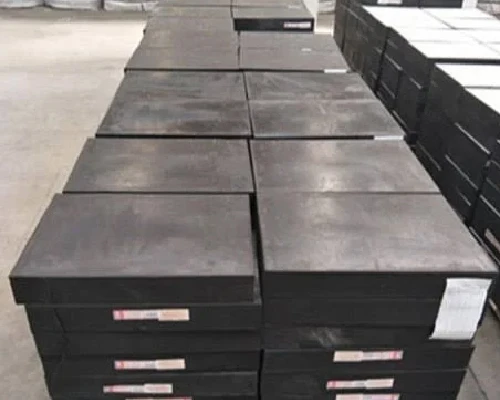

Shiddhi rubber When it comes to the construction and maintenance of bridges, one of the critical components that ensure the stability and longevity of the structure is the elastomeric bridge bearing pad manufacturer in mumbai. These pads play a crucial role in accommodating movements and forces, providing flexibility and durability to the bridge. In this blog, we will explore the different types of elastomeric bridge bearing pads and their specific applications.
What is an Elastomeric Bridge Bearing Pad?
An elastomeric bridge bearing pad is a type of bearing used in bridge construction to absorb vibrations, manage loads, and accommodate movements due to thermal expansion, traffic loads, and other dynamic forces. Made primarily from elastomeric materials such as rubber, these pads provide both flexibility and strength, making them ideal for a variety of bridge types and designs.
Types of Elastomeric Bridge Bearing Pads
Plain Elastomeric Bearing Pads
Plain elastomeric bearing pads are simple, unreinforced pads made of neoprene or natural rubber. These pads are typically used in smaller bridges or structures where the loads and movements are relatively minor. They offer good flexibility and can accommodate rotational movements and small deformations.
Applications:
Small to medium-sized bridgesPedestrian bridgesTemporary structuresLaminated Elastomeric Bearing Pads
Laminated elastomeric bearing pads consist of layers of elastomer interspersed with steel shims. These layers provide added strength and stability, making them suitable for larger and more complex structures. The steel shims help in distributing the load evenly and prevent excessive deformation.
Applications:
Highway and railway bridgesLarge-span bridgesHeavy load-bearing structuresPot Bearings
Pot bearings are a more advanced type of elastomeric bearing pad, incorporating a confined elastomeric pad within a steel pot. This design allows the bearing to accommodate high vertical loads and significant rotational movements. Pot bearings are often used in situations where high performance is required under extreme conditions.
Applications:
Long-span bridgesHigh-load structuresBridges in seismically active areasDisc Bearings
Disc bearings utilize a disc-shaped elastomeric element that can accommodate both vertical and horizontal movements. These bearings are particularly useful for bridges that experience substantial thermal expansion and contraction.
Applications:
Bridges in regions with extreme temperature variationsStructures requiring multi-directional movement accommodationAdvantages of Using Elastomeric Bridge Bearing Pads
Durability: Elastomeric materials are highly resistant to weathering, ozone, and chemical exposure, ensuring a long service life.Flexibility: These pads can accommodate a wide range of movements, including expansion, contraction, and rotational movements.Load Distribution: The ability to evenly distribute loads helps prevent localized stress concentrations, reducing the risk of structural damage.Cost-Effective: Compared to other types of bearings, elastomeric bridge bearing pads are relatively easy to manufacture and install, leading to lower overall costs.Conclusion
The choice of elastomeric bridge bearing pad depends on various factors, including the size and type of the bridge, the expected loads, and environmental conditions. By selecting the appropriate type of bearing pad, engineers can ensure the bridge's stability, durability, and ability to withstand dynamic forces.
Understanding the different types of elastomeric bridge bearing pads and their applications is crucial for anyone involved in bridge design and construction. These components, though often overlooked, are vital for the safety and longevity of our bridges.
Shiddhi rubber is India's leading manufacturer of Elastomeric bridge bearing pad. You can contact them for further information regarding the Elastomeric bridge bearing pad at










Sign in to leave a comment.