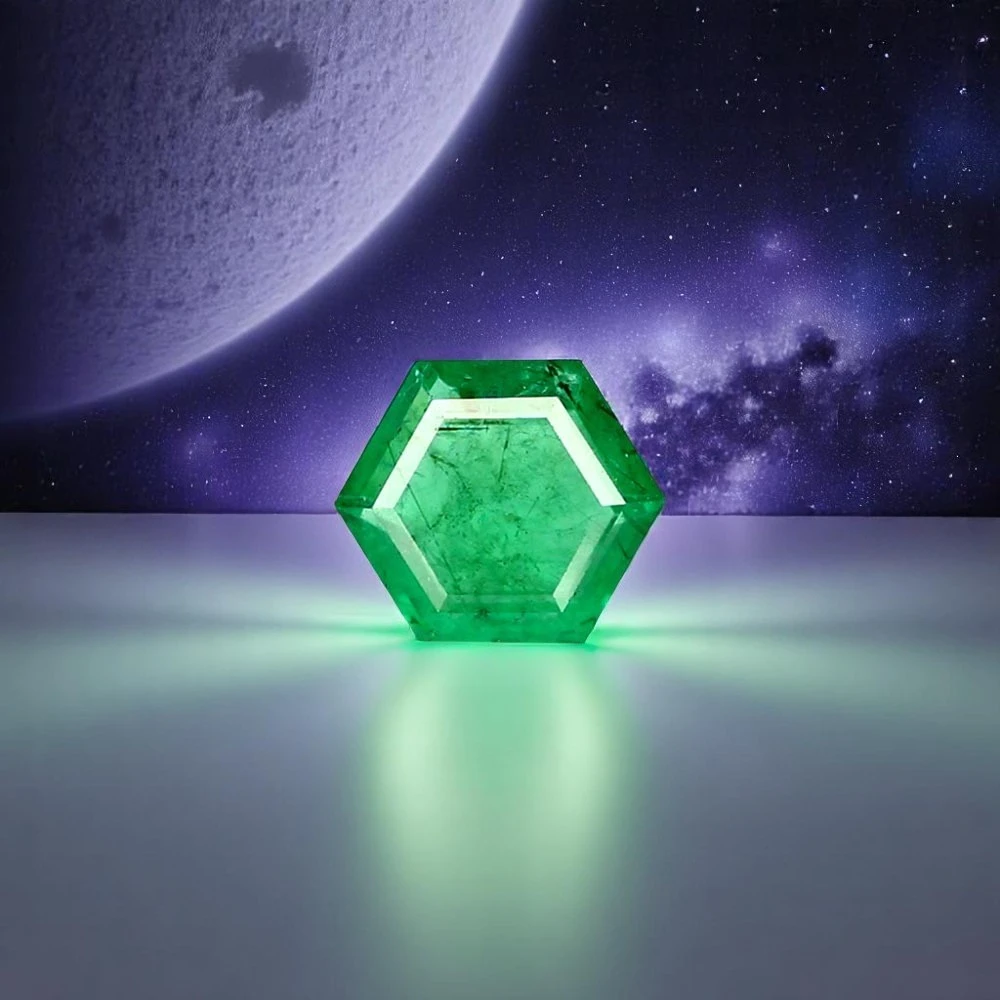

Gemstones have been valued by various civilizations down the ages, and among them, emeralds hold a special status due to their rich green colors and fine transparency. Dating back to 2000 BC in ancient Egypt, even Cleopatra was enamored of their beauty, underlining their enduring charm.
Emeralds measure from 1 to more than 1000 carats and come in hues ranging from green to bluish-green. To assist you in discovering the interesting universe of emeralds, we've developed an in-depth blog post discussing their types, origins, distinctive features, and worth, ideal for emerald aficionados interested in learning more. The emerald stone price varies widely based on factors like color, clarity, cut, carat weight, and origin.
Brazilian Emeralds:
Brazil is where the entire history of emeralds started. The earliest discovery of emeralds took place in Brazil way back in the year 1920. The emeralds that were initially mined were not of good quality, so Brazilian emeralds were not in high demand. But in the late 1980s, additional emerald mines were found that are still famous for producing some of the most revered and beautiful emeralds on earth. Nova Era and Minas Gerais mines in Brazil have earned numerous accolades for providing some of the rarest and highest-grade emeralds.
Colombian Emeralds:-
Best recognized for radiating the brightest green color shades with high saturation, Colombian Emeralds are an absolute pleasure and a treat to the eyes. Colombian mines produce mostly rich green color to bluish-green color emeralds in umpteen color shades, and that is what makes them one of the most prized emerald varieties.
If we jump to the price aspect, Colombian emeralds are probably the most expensive because their quality, color, and clarity are of the next generation. Colombian emeralds from Chivo mines contain shades of blue. Alternatively, emeralds from Muzo mines display shades of yellow color. As a gemstone collector or connoisseur, you want to get your hands on Colombian emeralds.
Zambian Emeralds:-
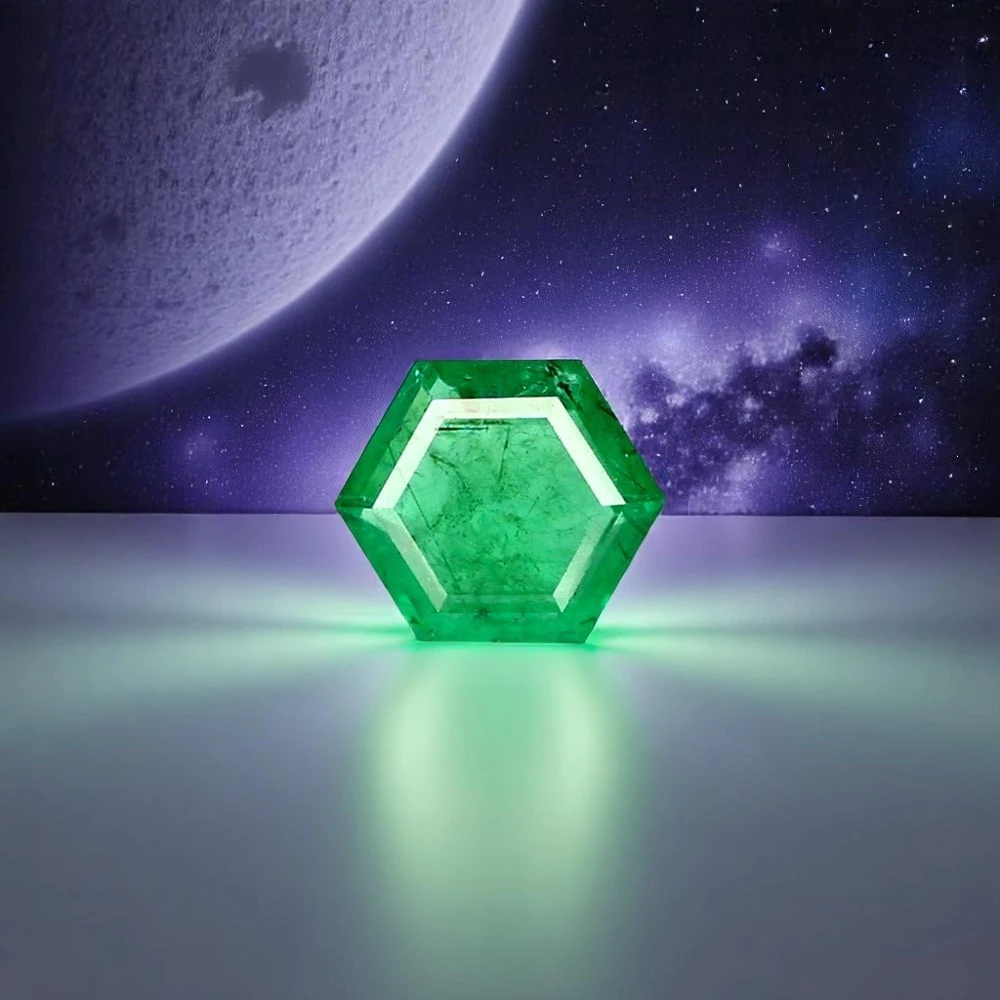
Second to Colombia, Africa is indisputably the world's second biggest emerald-producing continent, and Zambian emeralds are among the most popular varieties. The only differentiating factor between Colombian emeralds and Zambian Emeralds is the intensity of green color. While Colombian Emeralds come in leafy green color on the exterior, Zambian emeralds are dark green through and through. Additionally, Zambian emeralds are small in price if compared to Colombian ones; therefore, they are affordable for all classes. The eye-balls’ arresting lustre and rich green color can charm anyone within no time.
Untreated Emerald:
They are commonly referred to as no-oil emeralds because such emeralds do not go through any sort of treatment to boost clarity and color. Untreated emeralds are very rare, very expensive, and intimidating to rope in, even at a mouth-watering price. Untreated emeralds are usually roped in for Astrological purposes and for collection purposes too. The majority of untreated emeralds have a pleasing deep green color with intense luster and tend to accompany an initial price of $1000 per carat.
Synthetic Emeralds:-
Synthetic emeralds are also known as lab-created emeralds because they are synthesized at cutting-edge laboratories to satisfy the continuously growing demand for emeralds in the international market. Synthetic emeralds are produced by utilizing only a seed of beryl crystal and nutrients dissolved in molten flux and left until the crystallization is achieved.
Synthetic emeralds look so closely resembling natural emeralds that it’s occasionally mind-boggling to tell them apart from each other. Previously, the manufacture of synthetic emeralds was constricted due to the lack of mass-manufacturing technology. The huge breakthrough occurred in 1960 when a new method was discovered that was economically conservative as well as able to make umpteen emeralds at an astonishing speed.
Origin is Bahia, Brazil, and the Bahia emerald is the largest and possibly the most regal emerald in the entire world. The Emerald Stone is around 341kg and was in a long dispute of ownership before the case calmed down, and possession was transferred to the FM holdings. Bahia emerald is estimated to be worth around $400-450 million, though the real value of this powerful gemstone is still unknown.
If you're planning to buy emerald, make sure to choose a reputable seller who offers certified, natural stones. Look for quality indicators like rich green color, clarity, and origin to ensure you get the best value.


























Sign in to leave a comment.