
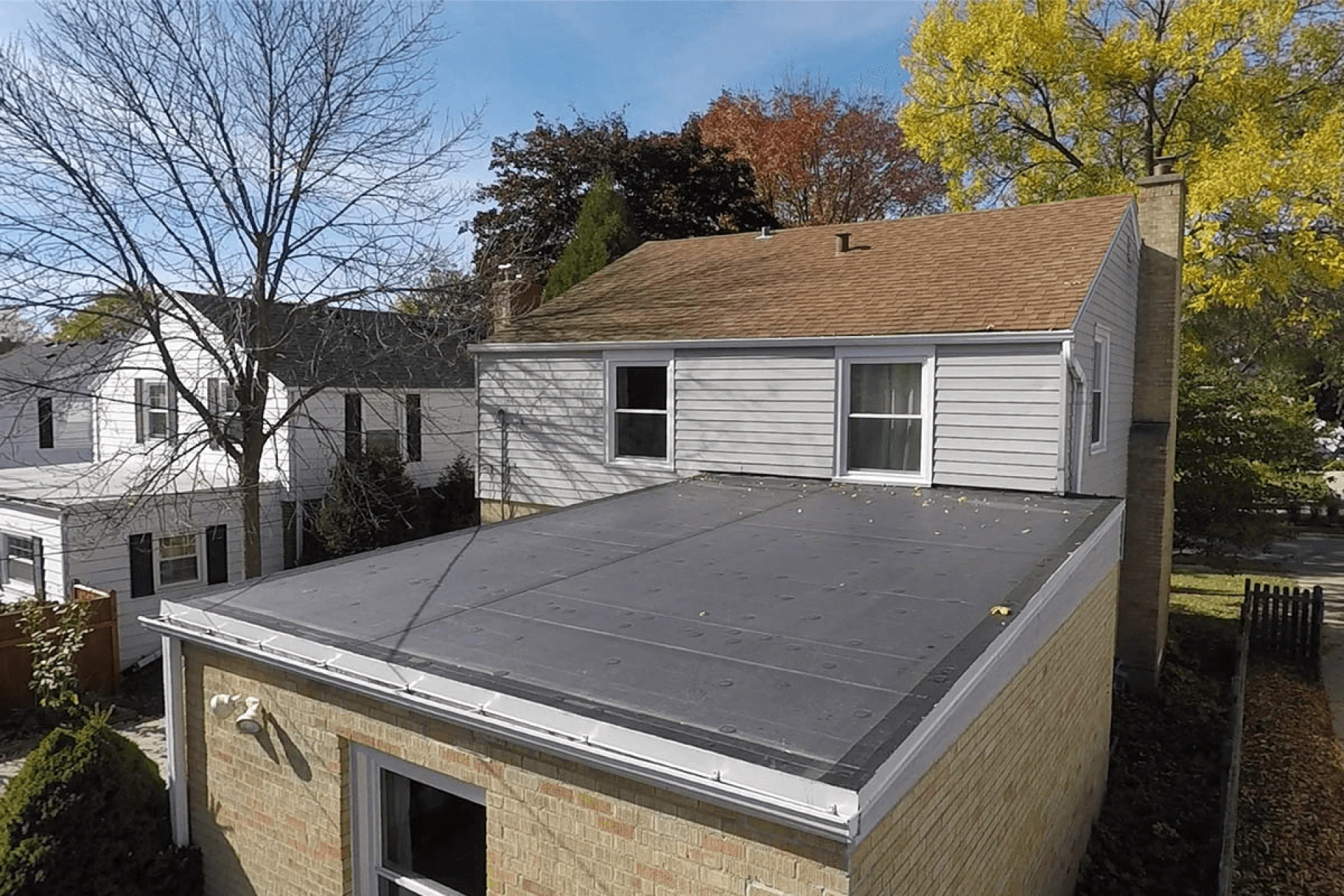
Compared to many other types of sloped roofs, a flat roof is a very unique roof type. A flat roof is a roof that is almost level, and it can have a pitch of up to 10 degrees. This type of roof is often used in arid climates.
Asphalt shingles
Whether you’re looking for a flat roof for your home or workshop, asphalt shingles have a lot to offer. They’re easy to install, low cost, and can last decades. They are also relatively resistant to cracking in the rain and hail. However, they may need some maintenance, so it’s important to choose the right type of roof shingle for your needs.
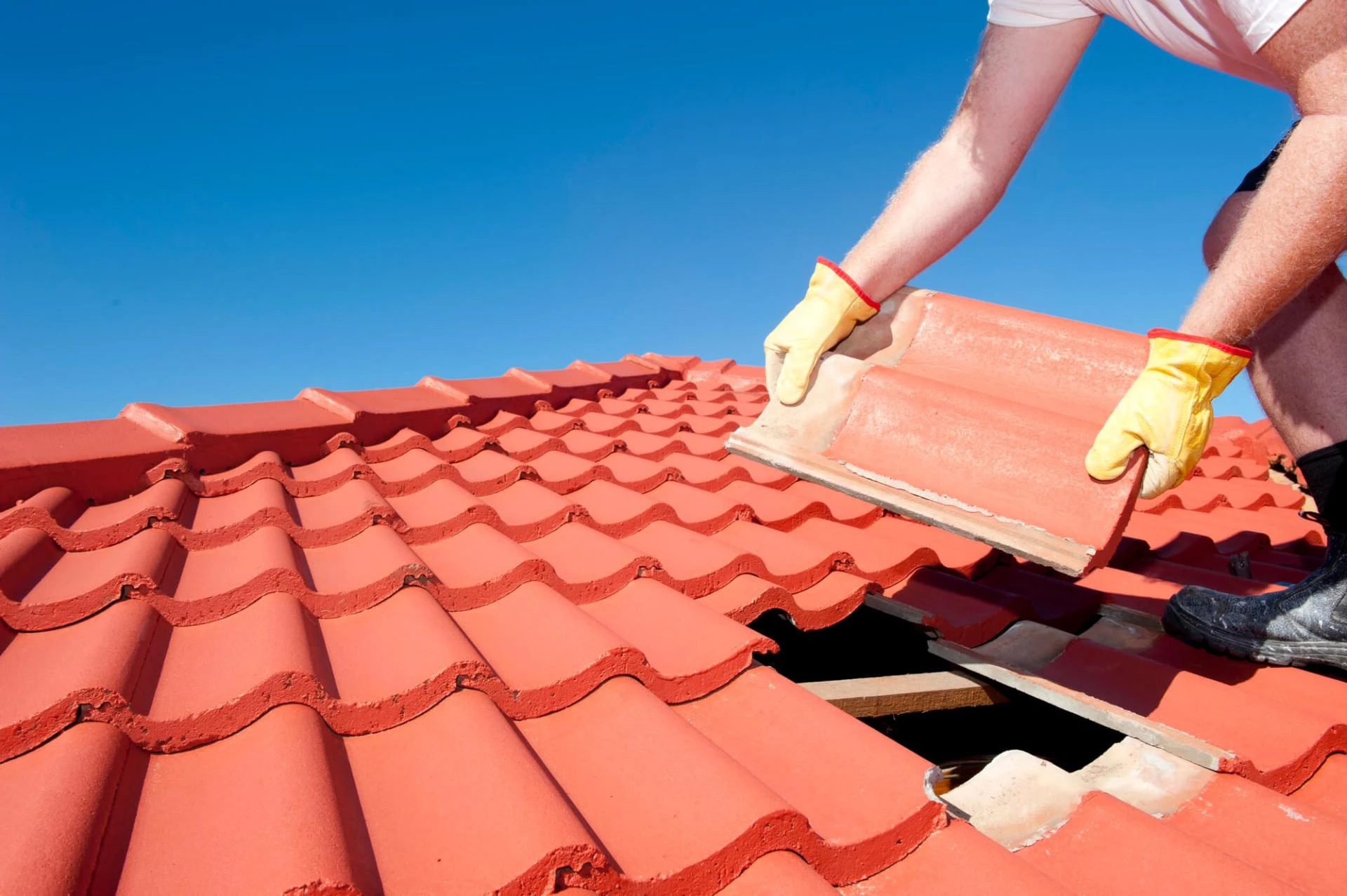
Asphalt shingles are the most common type of roof for homes in the US. They come in many colors, textures, and styles. The most common type is the three-tab. They are made of a fiberglass mat that’s bonded with asphalt. These shingles are fire-resistant and waterproof. They can last up to 25 years when properly installed and maintained.
There are also architectural asphalt shingles. These are designed to mimic slate tiles and cedar shakes. They are more durable than 3-tabs and can last up to 30 years. They also have a higher price tag. They are thicker, more durable, and offer more design options.
Modified bitumen
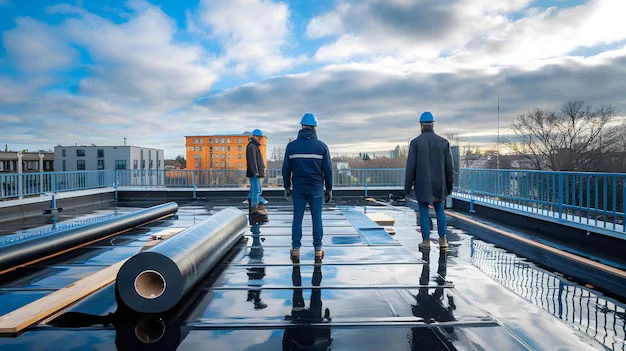
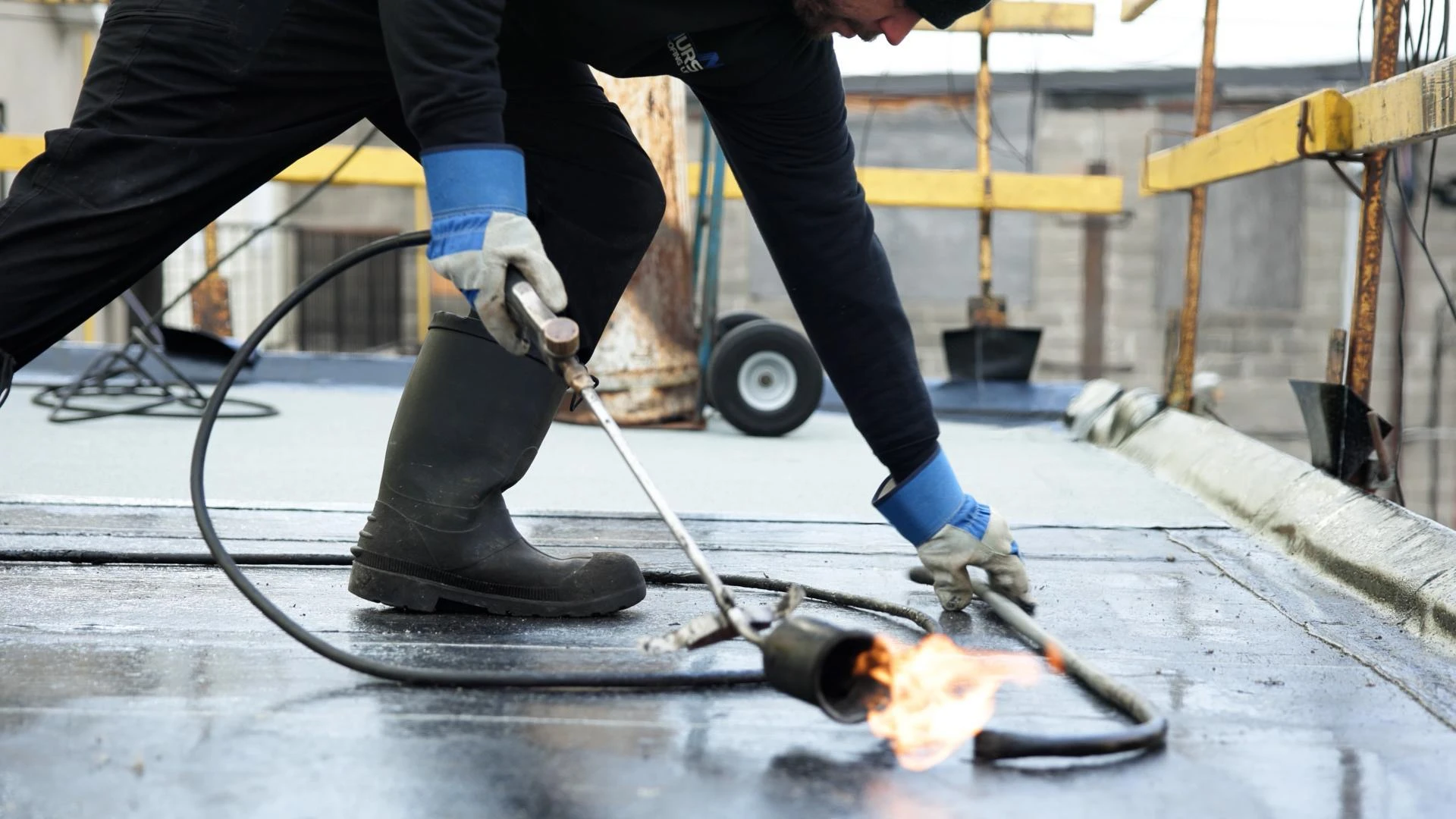
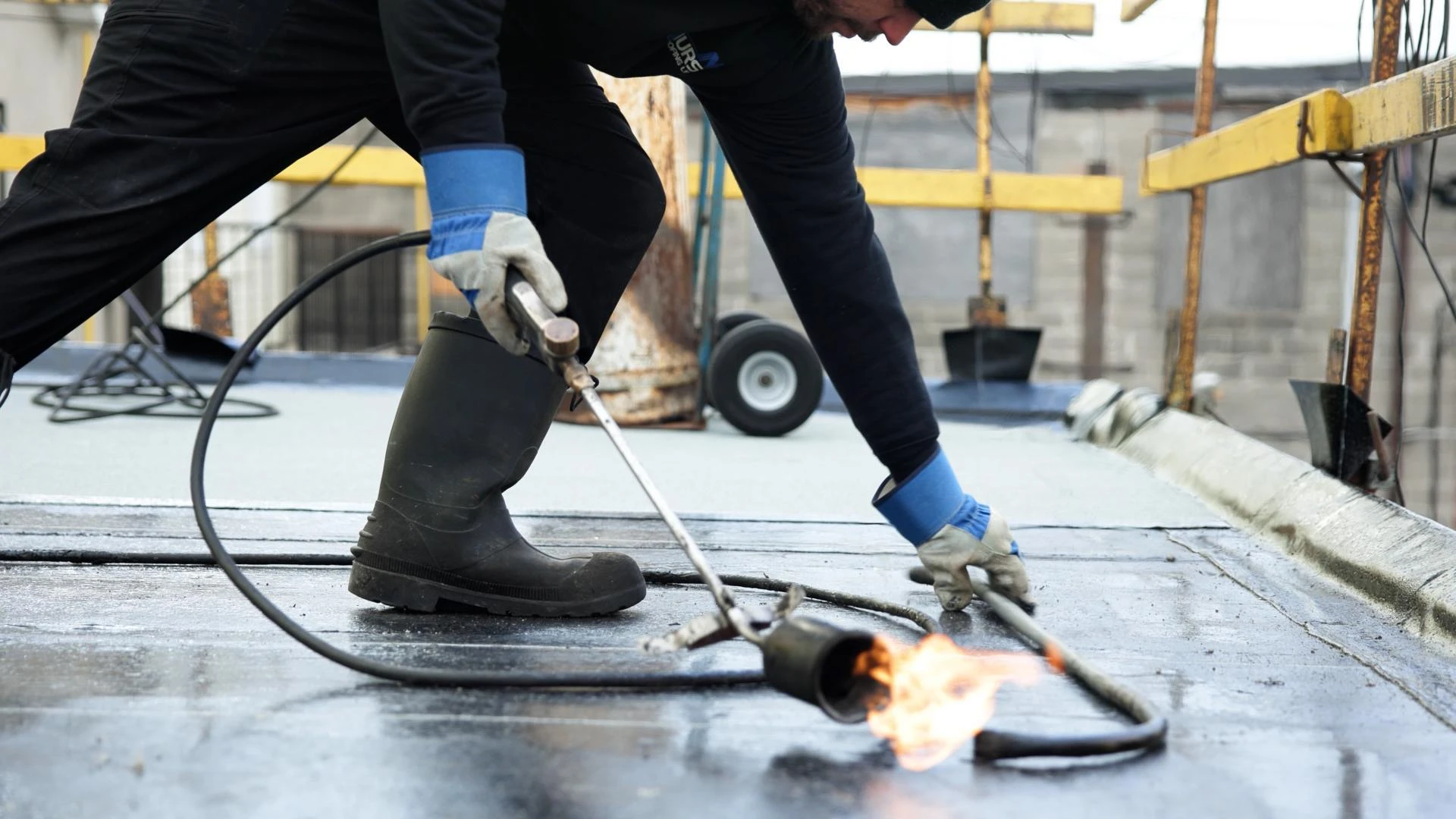
Depending on the composition and installation technique, modified bitumen for flat roof can last up to 20 years. However, there are some disadvantages to installing this kind of roofing. Some of the disadvantages include the fact that modified bitumen isn’t as impact resistant as asphalt shingles. It can also be damaged by walking on it or by hot sunlight.
It’s also important to note that modified bitumen for flat roofs doesn’t have a drainage system. This can result in water ponding after storms. This can cause serious damage to the roofing system. It’s also important to make sure that standing water is removed from the roof within 48 hours. This can cause mold and mildew to develop on the surface.
Another disadvantage of installing modified bitumen for flat roofs is that it’s not as easy to repair as some other types of roofs. You will need to have a lot of experience in order to ensure that the roof is installed correctly.
Single-ply membrane
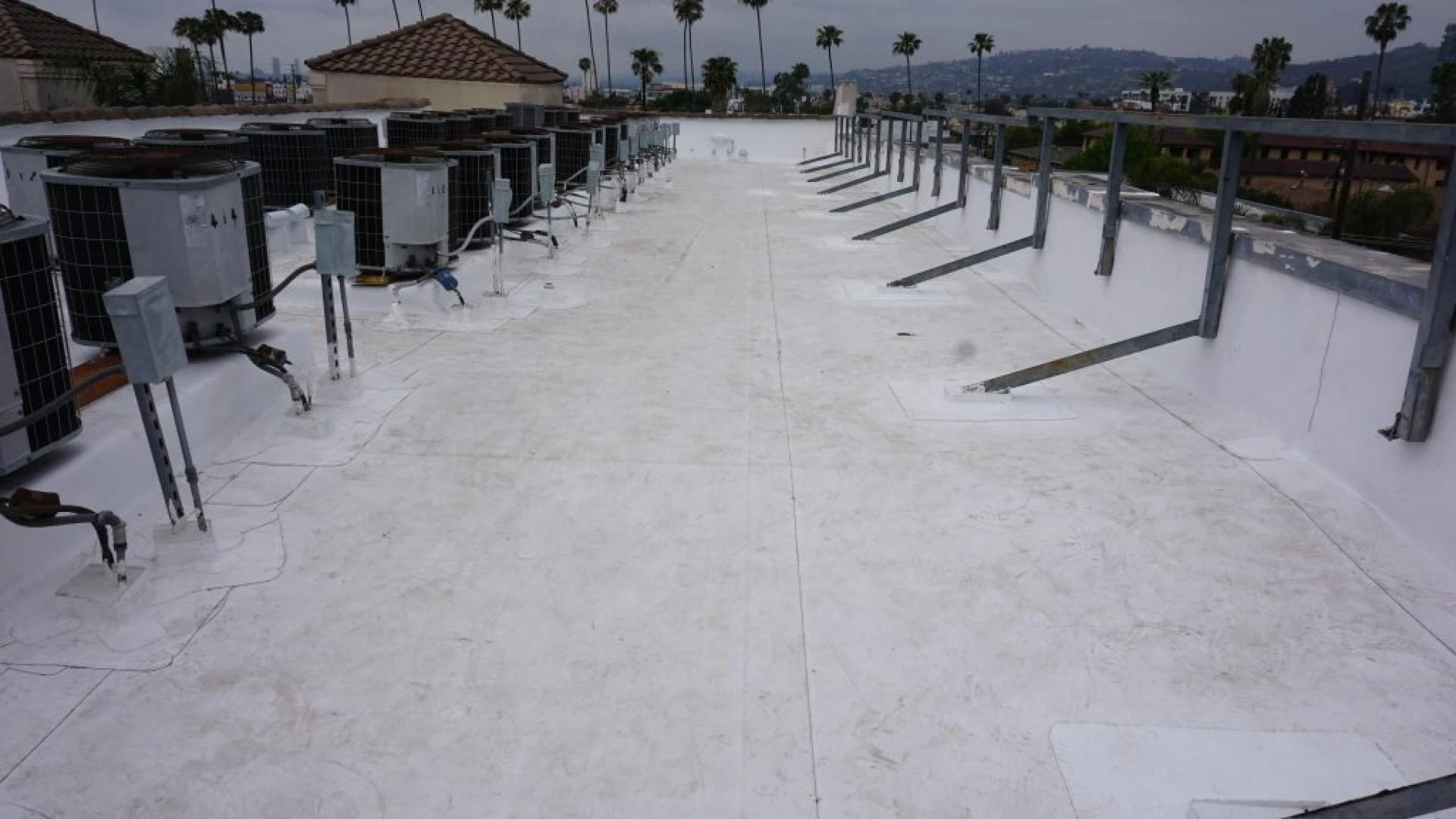
Roofing systems on low slope roofs are usually installed with a single-ply membrane. This roofing system provides excellent weather protection and is fire retardant. It is also environmentally friendly and is resistant to harmful UV rays. The single-ply membrane roofing system is a great choice for commercial buildings.
Single-ply membranes are made of a non-organic material such as polyvinyl chloride (PVC). Polyvinyl chloride has been used as a single-ply membrane roofing material in Europe and the United States since the 1960s. It has a relatively low cost and is easy to install.
Single-ply membranes are also available in the form of thermosets. These are manufactured by compounding polymers. Some thermosets require adhesives to secure the substrate. Some thermosets are non-penetrating.
When installing a single-ply membrane, it is important to have a proper flood test report. It is also important to ensure that all penetrations are properly sealed. It is also important to have regular seam inspections. This will help prevent leaks.



Sign in to leave a comment.