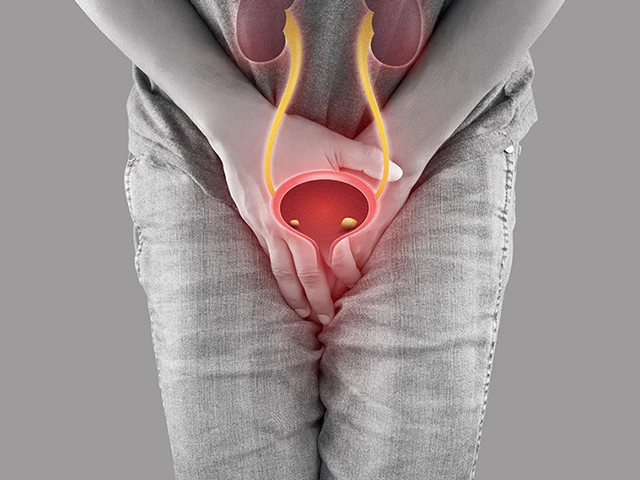

Urinary incontinence is a common but often overlooked medical condition that affects people of different age groups. It refers to the involuntary leakage of urine, which can impact daily activities, confidence, and overall quality of life. Many people hesitate to seek help due to embarrassment, but with proper diagnosis and timely treatment, urinary incontinence can be effectively managed or even completely treated.
Urinary incontinence can occur due to weakened pelvic muscles, nerve damage, prostate issues, childbirth, aging, or underlying medical conditions. Consulting an experienced specialist like Dr. Anuj Arora ensures accurate identification of the type of incontinence and selection of the most suitable treatment approach. Evaluation by the best urologist in greater noida helps patients receive personalized care and long-term relief.
Stress Incontinence
Stress incontinence occurs when physical pressure on the bladder causes urine leakage. This may happen during coughing, sneezing, laughing, exercising, or lifting heavy objects. It is commonly seen in women after childbirth and in men following prostate surgery. Weak pelvic floor muscles are the main cause of this condition.
Urge Incontinence
Urge incontinence is characterized by a sudden and intense urge to urinate, followed by involuntary leakage. This condition is often linked to an overactive bladder, nerve disorders, or bladder irritation. Patients may feel the need to urinate frequently, including during the night.
Overflow Incontinence
Overflow incontinence happens when the bladder does not empty completely, leading to constant dribbling of urine. It is often associated with bladder outlet obstruction, enlarged prostate, diabetes-related nerve damage, or weakened bladder muscles.
Functional Incontinence
Functional incontinence is not caused by bladder problems but by physical or cognitive limitations. Conditions such as arthritis, mobility issues, or neurological disorders may prevent a person from reaching the toilet on time, resulting in urine leakage.
Treatment Options for Urinary Incontinence
Treatment depends on the type and severity of incontinence. Non-surgical options include lifestyle changes, pelvic floor exercises, bladder training, and medications. These methods are often effective for mild to moderate cases.
For patients who do not respond to conservative treatments, advanced medical and surgical options are available. These may include minimally invasive procedures, nerve stimulation therapy, or corrective surgeries. Patients now have access to modern urinary incontinence treatment in greater noida, offering safe, effective, and long-lasting solutions tailored to individual needs.
Conclusion
Urinary incontinence is a manageable condition when diagnosed early and treated correctly. Understanding the different types of incontinence helps patients seek timely medical care without hesitation. With expert guidance from specialists like Dr. Anuj Arora, patients can receive accurate diagnosis, appropriate treatment, and improved quality of life. Seeking professional care at the right time ensures comfort, confidence, and long-term bladder health.

Sign in to leave a comment.