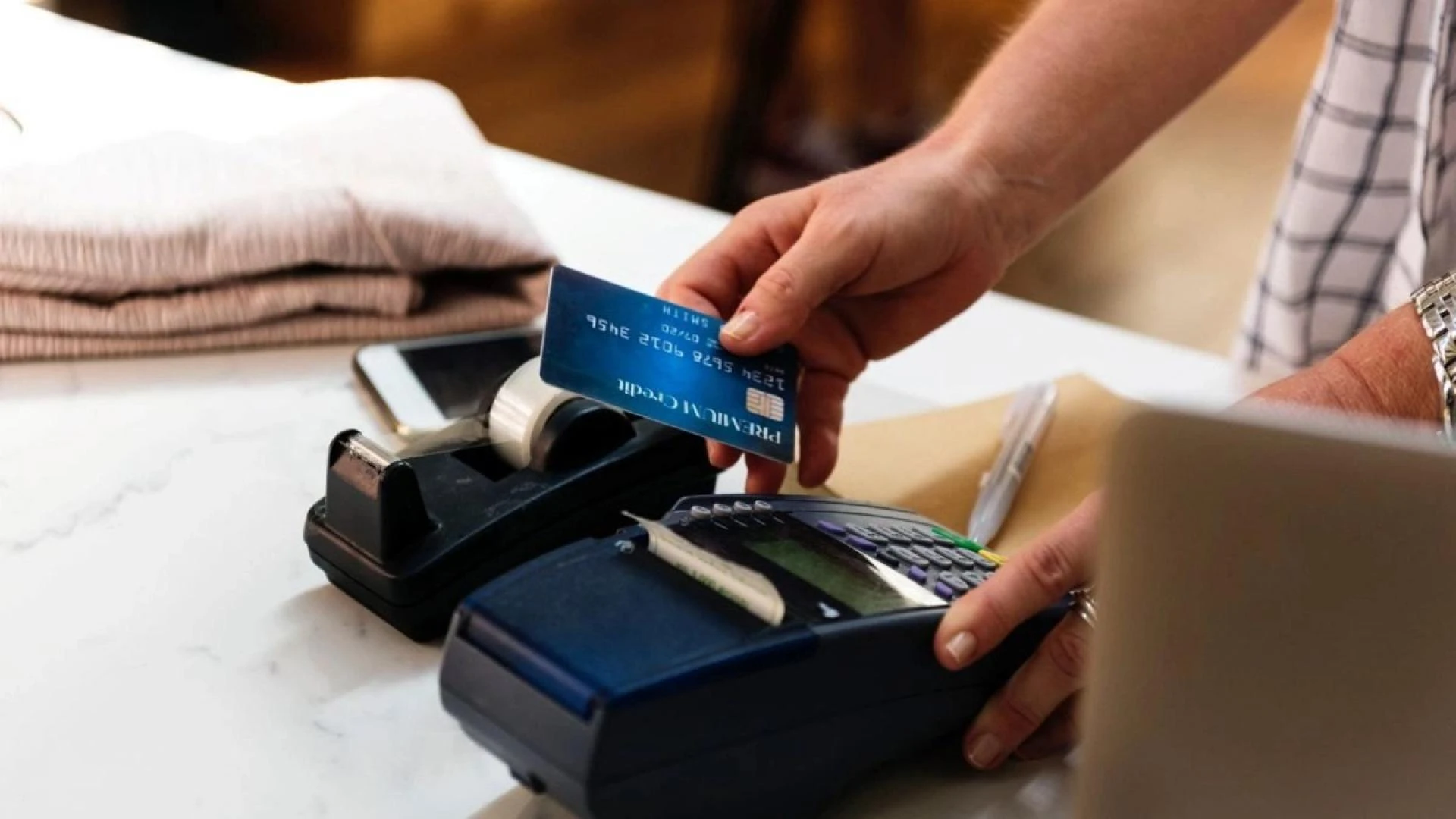

A Point of Sale (POS) system is a combination of hardware and software used to record sales and manage inventory. It provides an interface between the customer and the store, allowing business owners to monitor sales, track customers, process payments, analyze data, and much more. There are multiple types of POS systems available depending on the needs of each business. Here we will cover the main types of POS systems and what they offer.
What are the Different Types of POS Systems?
Before getting into the specifics of each type, it is important to note that many POS systems offer a combination of features. For example, a point-of-sale terminal may be able to track inventory, process payments and generate reports. Additionally, some POS solutions are cloud-based or mobile, while others are more traditional hardware-dependent solutions.
Hardware-Based POS System:A hardware-based system is typically the most popular type of solution for small businesses. This type of POS system requires a terminal (typically with a touch screen), receipt printer, barcode scanner, cash drawer and credit card reader. This setup allows for quick transactions and data entry at the register.
Cloud-Based POS System:Cloud-based solutions are becoming increasingly popular due to their flexibility and cost savings. These systems allow businesses to access their data and manage transactions from any device with an internet connection. This type of system is great for businesses that do not have the resources or budget to invest in a more traditional setup.
Mobile POS System:Mobile POS systems are becoming increasingly popular as more businesses move away from traditional brick-and-mortar locations. This type of system is typically used by businesses that have multiple locations or pop-up stores, as they allow transactions to take place anywhere. Additionally, they offer the convenience of being able to accept payments wherever a customer may be.
Online POS System:An online POS system is the most modern type of setup, allowing businesses to manage their inventory and process payments from any device with an internet connection. This type of POS system is great for businesses that have multiple locations or need to accept payments remotely. Additionally, it provides more up-to-date data on sales and customer information.
Conclusion
Choosing the right POS system for your business can be overwhelming, but understanding the different types of POS systems can help you make an informed decision. Consider what features are most important to your business, as well as how much you are willing to spend in order to find the best solution for you.
Additionally, there are many POS systems on the market that offer a combination of features and hardware/software solutions, so it’s important to do your research before deciding which system is best for your business. With the right POS system in place, businesses can streamline operations and increase their profitability and efficiency.
























Sign in to leave a comment.