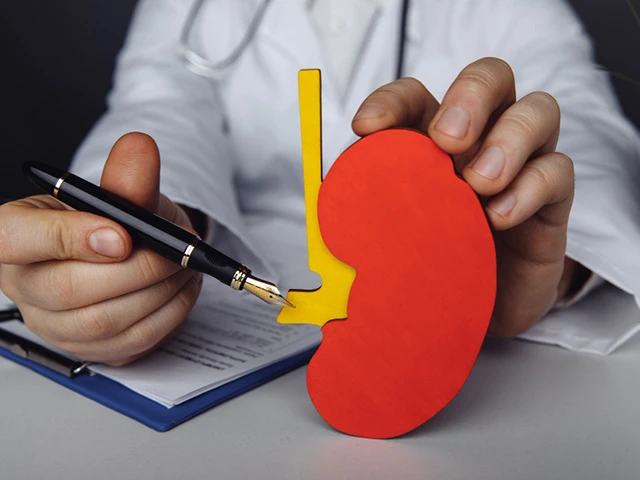

Pelvi-ureteric junction (PUJ) obstruction is a medical condition in which the normal flow of urine from the kidney to the ureter is blocked. This blockage causes urine to accumulate in the kidney, leading to swelling, flank pain, recurrent urinary tract infections, and gradual deterioration of kidney function if left untreated. When medications or observation are no longer effective, surgical intervention becomes necessary to restore proper urine drainage and preserve kidney health.
PUJ obstruction may be present from birth or may develop later due to scarring, kidney stones, infections, or compression from abnormal blood vessels. Early diagnosis and correct surgical planning are essential for successful outcomes. Consultation with an experienced specialist such as Dr. Anuj Arora, a renowned urology expert, allows accurate assessment of the condition and selection of the most suitable surgical technique. Evaluation by the best urologist in greater noida helps ensure timely treatment and prevention of long-term kidney damage.
Open Pyeloplasty
Open pyeloplasty is the conventional surgical method used to correct PUJ obstruction. In this procedure, the narrowed or blocked segment of the ureter is surgically removed, and the healthy ureter is reattached to the kidney. Although it has a high success rate, this approach involves a larger incision, more postoperative discomfort, and a longer recovery period. Today, open surgery is generally reserved for complex cases where minimally invasive techniques are not feasible.
Laparoscopic Pyeloplasty
Laparoscopic pyeloplasty is a minimally invasive procedure performed through small incisions using a camera and specialized instruments. This technique allows precise correction of the obstruction while minimizing pain and scarring. Patients benefit from shorter hospital stays and quicker recovery. Due to these advantages, laparoscopic surgery is commonly preferred for modern puj obstruction treatment in greater noida.
Robotic-Assisted Pyeloplasty
Robotic-assisted pyeloplasty is an advanced form of minimally invasive surgery that offers enhanced precision and control. Using robotic instruments, surgeons can perform delicate reconstruction with greater accuracy. This method is especially useful in complex or recurrent PUJ obstruction cases and is associated with excellent success rates, reduced blood loss, and faster healing.
Endopyelotomy
Endopyelotomy is a less invasive option where the obstruction is cut internally using an endoscope passed through the urinary tract or via a small incision. While recovery is faster, this procedure may not be suitable for all patients, as success rates can be lower in severe obstructions. Careful patient selection is essential for optimal results.
Conclusion
PUJ obstruction is a treatable condition when addressed at the right time with the appropriate surgical approach. Advances in urology have made multiple effective surgical options available, ranging from traditional open surgery to highly precise minimally invasive techniques. Under expert care from specialists like Dr. Anuj Arora, patients can expect safe procedures, preservation of kidney function, and long-term relief with improved quality of life.











Sign in to leave a comment.