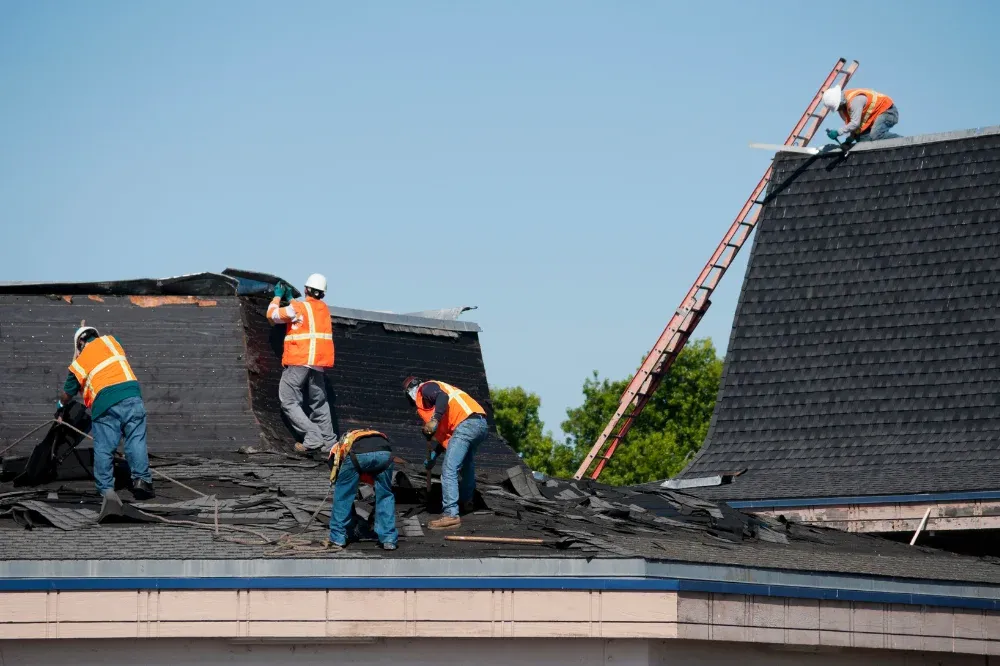

Picking out a new roof feels like a big job. The roof doesn’t just keep rain and snow out. It also changes the way your house looks, helps control your energy bills, and even affects its value. With so many styles and materials to choose from, it’s easy to feel overwhelmed. Knowing the basics about each option leads you to the best decision. Here’s a rundown of the most common roofing systems people put on their homes, plus what makes each one unique.
Asphalt shingle roofing
If you drive through any neighborhood, you’ll spot plenty of asphalt shingles. They’re everywhere because they’re affordable. These shingles are made from fiberglass, asphalt, and tough little mineral granules.
The styles break down like this:
- 3-tab shingles: Simple and flat, with a uniform look.
- Architectural shingles: Thicker, longer-lasting, and a little fancier.
- Luxury shingles: Pricier, but they look a lot like slate or wood.
Perks
These roofing systems are cost-efficient, easy to install or repair, and available in a wide rnage of colors.
Demerits
The lifespan is only about 20 to 30 years, and really bad weather can take its toll.
It is the best option for anyone on a budget or wanting a classic, low-fuss roof.
Metal roofing
Metal roofs are popular for a good reason. Leading companies that offer residential roofing St Louisrecommend them to their clients. They look sharp, and last. You’ll see them made from steel, aluminum, copper, or even zinc.
A few common types:
- Standing seam panels
- Metal shingles or tiles
- Corrugated metal sheets
Why do people pick metal?
These roofs go the distance (up to 70 years), shrug off tough weather, resist fire and pests, and reflect heat to help keep your home cooler.
What to watch for?
They cost more upfront. If your insulation is not good, rain can sound pretty loud.
Metal is the best choice for homeowners who want something strong and basically maintenance-free for decades.
Clay and concrete tile roofing
Tiles give a roof real character—think Mediterranean villas or Spanish-style houses. Clay tiles utilize natural clay; concrete ones are similar, just less pricey.
What is special?
Tiles last 50 years or more, take on fire, bugs, and rot without flinching, and keep homes cooler in hot, sunny places.
What is the catch?
These tiles are heavy, and not every house can handle the load. They’re also more expensive and can break if something whacks them.
It is the best option for anyone who loves the look of classic tiles and whose house can support the extra weight.
Slate roofing
When you want a roof that’s truly built to last and looks super high-end, you can select slate. It’s actual stone, so durability is high.
Why slate stands out?
It lasts 75 to 100 years, beats fire, and has a look you just can’t fake.
Downside
It’s expensive, weighs a lot, and you really need a pro who knows what they’re doing.
It is the best choice for people focused on longevity and luxury, and who don’t mind the investment.
Wood shingles and shakes
There’s something timeless about a wood roof. Shingles are cut for a neat look. Shakes are hand-split and look more rugged.
Most are made from:
- Cedar
- Redwood
- Pine
What are the perks?
They’re beautiful, provide decent insulation, and use natural, recyclable materials.
Disadvantages
Wood takes effort—plenty of maintenance, and if you don’t treat it, it doesn’t stand up to fire or too much moisture. These roofs don’t last as long as some others.
They are the best solution for people who love traditional style and live in areas without harsh weather conditions.
Flat roofing systems
Many modern homes, additions, or even some older houses have flat roofs. Obviously, they aren’t actually flat, but they’re close—just enough slope for water to drain.
You’ll typically see:
- EPDM (rubber)
- TPO (thermoplastic)
- Modified bitumen
Why flat roofs work?
Installation is affordable. You can easily fix issues. They’re great for solar panels or roof gardens.
Drawbacks
Bad installation leads to pooling and leaks, and these roofs just don’t last as long as well-sloped ones.
Flat roofs are an ideal choice for modern homes and additions with minimal roof slope.
Synthetic roofing materials
Sometimes you want the look of slate, wood, or tile, but without the price or the heaviness. That’s where synthetic roofing comes in—these products are designed to copy natural materials but last longer and need less upkeep.
Advantages
They are lighter and tougher. They withstand the weather and sun. Low maintenance is an added benefit.
Downside
Quality can depend on the brand, and some premium versions are expensive.
These materials are the perfect option for homeowners who want beautiful, durable roofs without the headaches associated with natural materials.
Solar roofing systems
Want your roof to work for you? Solar roofing might be the answer. You can choose standard solar panels on top of your existing roof, or spring for solar shingles built right in.
Advantages
You can significantly reduce energy bills. They do not cause any harm to the environment. Moreover, solar systems increase your property value.
Demerits
The initial investment is pretty high. You can expect the best results only when there is adequate sunlight.
It is an excellent option for people who want to save money in the long run and support green energy.
Conclusion
There’s no one-size-fits-all roof. Asphalt shingles are cost-efficient and simple. The slate or solar options are more expensive. However, they last forever and look incredible. The final selection is all about matching your budget, your home, and your own style. Do your homework and talk to experienced roofers. Then, you’ll land on the roof that fits your needs.























Sign in to leave a comment.