
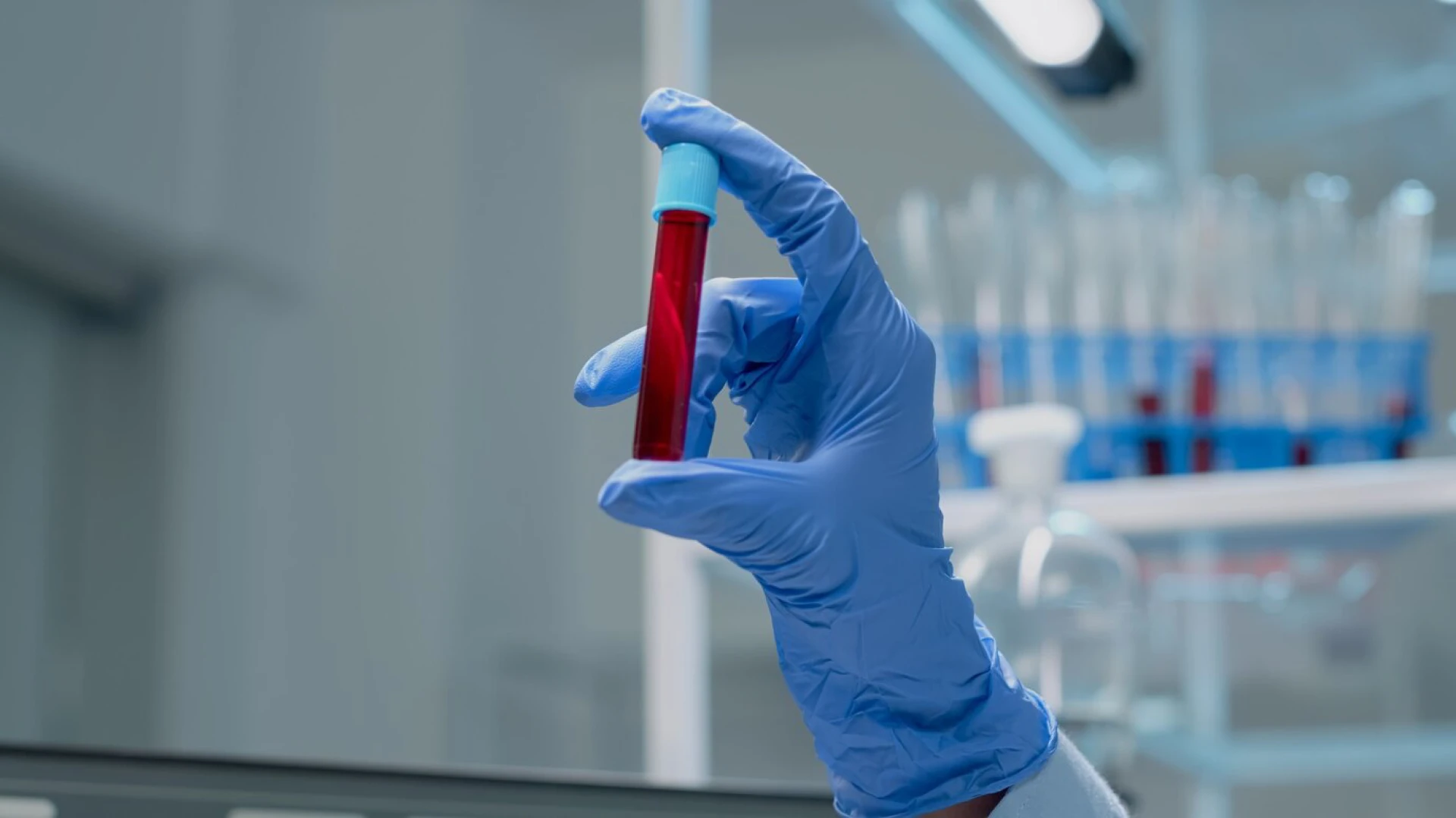
Understanding the diagnostic process for typhoid fever is crucial for timely treatment and recovery. Learn about the various laboratory tests, such as the widal test and typhidot test, along with their prices and confirmation procedures, to help you navigate through the diagnosis of typhoid fever.
Why Take the Typhoid Test?
If you suspect that you or a loved one may have typhoid fever, it is essential to undergo the necessary diagnostic tests to confirm the infection. The most commonly used tests for typhoid diagnosis include the widal test and the typhidot test. Understanding the purpose, procedure, and interpretation of these tests can help you make informed decisions about your health.
Blood Culture: The Gold Standard
Blood culture is considered the gold standard for diagnosing typhoid fever. This test involves isolating and identifying the causative bacteria, Salmonella Typhi, from a blood sample. For the best results, the widal test or typhoid test should be performed within the first week of symptom onset. Multiple blood cultures using larger sample volumes can increase the diagnostic yield.
Widal Test: A Commonly Used Method
The widal test is a commonly used serological test for diagnosing typhoid fever, especially in developing countries. It detects the presence of antibodies against Salmonella Typhi in the patient's serum. The test can be performed using various methods, such as:
- Qualitative widal test: An initial screening to detect the presence of antibodies
- Quantitative widal test: Measures the titers of O and H antibodies, helping to confirm the diagnosis
- Tube widal test: Uses dilution techniques to measure antibody titers more accurately
The widal test price may vary depending on the method used and the healthcare provider.
Typhidot Test: A Rapid Diagnostic Tool
The typhidot test is a rapid diagnostic tool that detects IgM and IgG antibodies specific to Salmonella Typhi. This test is particularly useful for early diagnosis, as it can detect antibodies within 2-3 days of symptom onset. The typhidot test price may vary depending on the healthcare provider and location.
Other Diagnostic Tests
In addition to the widal test and typhidot test, several other tests may be used to diagnose typhoid fever:
- Real-time PCR: Detects Salmonella Typhi DNA in the blood, particularly useful within the first 5 days of symptom onset.
- Stool and urine culture: Useful in determining if a person is a typhoid carrier, although not usually positive during the early acute phase of the disease.
- Bone marrow culture: Often the most sensitive test for Salmonella Typhi, especially in children with enteric fever.
Confirmation Procedures
To confirm a typhoid fever diagnosis, healthcare providers follow a series of steps:
- Assessing medical and travel history
- Collecting and preparing blood, stool, or bone marrow samples
- Culturing and isolating the bacteria
- Conducting antibiotic sensitivity testing to determine the appropriate treatment
Reactive results in the widal test or typhoid test indicate the presence of Salmonella Typhi antibodies, suggesting an active infection. However, non-reactive results do not necessarily rule out typhoid fever, especially if the test is performed too early in the course of the disease.
Conclusion
The widal test and typhidot test are commonly used diagnostic tools, each with its own advantages and limitations. Understanding the typhoid test price, procedure, and interpretation can help you make informed decisions about your health and ensure timely treatment for this potentially serious infection.

























Sign in to leave a comment.