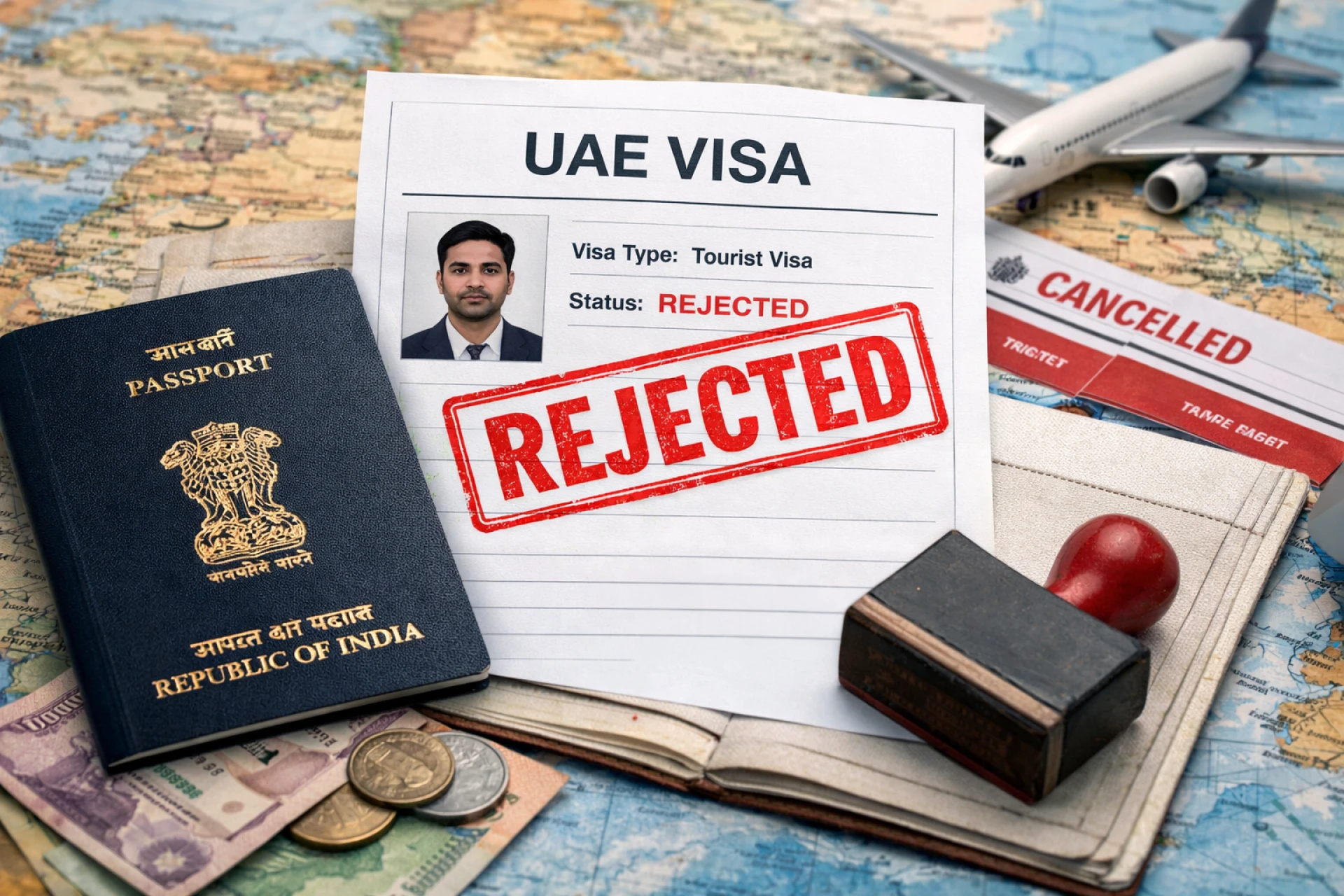

Applying for a visa to the United Arab Emirates is usually a smooth process, but there are times when applicants receive an unexpected refusal. A uae visa rejection can feel confusing, especially when the reasons are not explained in detail. Understanding why applications are declined and knowing what to do next can help you prepare a stronger application in the future and reduce stress during reapplication.
Understanding How UAE Visa Decisions Work
UAE visas are processed through immigration authorities, airlines, hotels, or authorized travel agencies, depending on the visa type. While the application process may appear straightforward, the screening behind the scenes is thorough. Immigration officers evaluate personal details, travel history, documentation accuracy, and compliance with UAE regulations. Even small inconsistencies can influence the final decision.
It is also important to know that visa approval is discretionary. This means that even if all documents are submitted, approval is not guaranteed. Recognizing this helps set realistic expectations and encourages careful preparation.
Common Reasons for Visa Rejection
One of the most frequent reasons for refusal is incorrect or incomplete information. Errors in passport numbers, spelling of names, or mismatched dates between documents can raise red flags. Another common issue is unclear travel intent. If the purpose of visit, duration of stay, or accommodation details are not well supported, authorities may question the application.
Previous immigration history also matters. Past overstays in the UAE or other countries, visa violations, or deportation records can affect current applications. In some cases, even having a similar name to someone on an immigration watchlist can lead to delays or rejection until identity verification is completed.
Financial credibility is another factor. Applicants must demonstrate they can support themselves during their stay. If bank statements, sponsor details, or employment information appear weak or inconsistent, it may result in refusal.
Types of UAE Visas and Rejection Sensitivity
Different visa categories have different scrutiny levels. Tourist visas focus more on travel intent and return assurance, while employment visas involve background verification, medical tests, and employer compliance. Transit visas are usually simpler but can still be rejected if travel details are unclear.
Family or dependent visas often require proof of relationship and sponsor income thresholds. Missing or unclear supporting documents in such cases can lead to delays or rejection, even when the main sponsor is already residing in the UAE.
What Happens After a Rejection
After a refusal, applicants are usually informed that the visa was not approved, but detailed reasons may not always be shared. This can make it challenging to know exactly what went wrong. However, reapplication is usually allowed, provided corrective steps are taken.
There is no mandatory waiting period for most tourist visas, but it is advisable to wait at least a few weeks. This gap allows time to correct documents, update travel plans, and ensure there are no unresolved issues in the system.
Practical Next Steps to Improve Approval Chances
The first step is to carefully review your previous application. Check for spelling errors, document clarity, and consistency across all forms. Ensure your passport has sufficient validity and blank pages, as this is a basic requirement often overlooked.
Next, strengthen your supporting documents. Updated bank statements, a clear travel itinerary, confirmed accommodation, and return flight details help establish genuine travel intent. If you are sponsored, ensure the sponsor’s documents are current and meet eligibility criteria.
If the rejection was related to previous travel history or overstays, be transparent in your next application. Providing a brief explanation letter can sometimes help clarify misunderstandings and show compliance intentions.
Reapplying Through the Right Channel
Choosing the correct application channel matters. Applying through a reputable travel partner or authorized service provider can help minimize errors and ensure documentation meets current requirements. While they cannot guarantee approval, they can guide you on best practices and common pitfalls.
It is also wise to avoid submitting multiple applications simultaneously through different agents. This can create duplication in the system and negatively impact your chances.
Staying Positive and Prepared
A uae visa rejection does not mean future applications will also fail. Many travelers successfully obtain visas after addressing minor issues from their initial attempt. Staying calm, organized, and informed makes a significant difference.
Before reapplying, ensure your travel purpose aligns clearly with the visa type you choose. Avoid last-minute changes to travel plans, as inconsistencies can raise concerns during assessment.
Final Thoughts
Facing a visa refusal can be disappointing, but it is often part of the travel learning curve. A well-prepared application, clear intent, and accurate documentation are the strongest tools to avoid a uae visa rejection in the future. In the middle of reassessing documents and understanding requirements, some travelers find it helpful to consult experienced visa assistance platforms like OneVasco, not as a shortcut, but as a way to gain clarity on processes and common errors. Ultimately, patience and careful preparation are key. With the right approach, your next application can move forward with confidence and a much higher chance of approval.






















Sign in to leave a comment.