
Why Development of Uber Clone Apps Has a Broader Market Than Just Taxis
While the entire world viewed Uber as a taxi-hailing app with a fleet of private cars, Uber was a way of addressing the supply-demand equilibrium anywhere, anytime. Because of this, the same logic is applied to various business modules. Today, we have food delivery systems and food courier systems. We have home service platforms, health care bookings, and enterprise resource planning and logistics systems.
Because of such extensive diversification, the development of Uber clone apps has also evolved beyond a one-dimensional taxi application.
What Uber-like Applications Actually Constitute
The first thing to understand is that Uber-like applications do not necessarily have to have either a fleet of cars or drivers. They have the ability to provide services instantly, intelligently using locations and the capability to fulfill requests in real time.
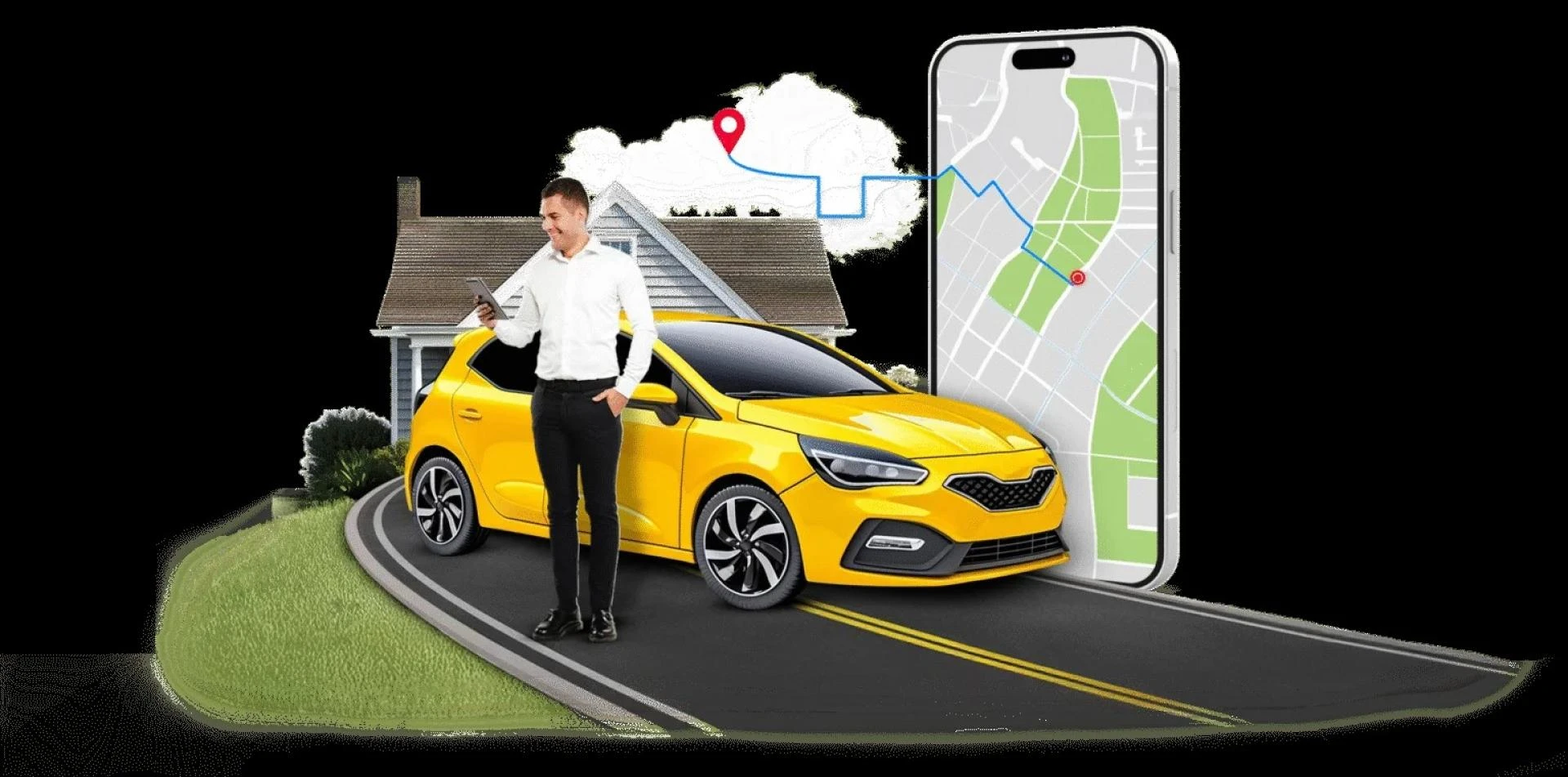
When you develop an application like Uber, you literally create an engine with the functionality to:
- Assign the nearest and most available service provider
- Track the status of a request/delivery in real time
- Quickly generate costs and collect payments
- Provide service to a large number of users simultaneously.
The engine you create with this app has the capability to be utilized on-demand in multiple business segments.
Why Did Uber Clone Apps Diversify Beyond Ride-hailing Systems?
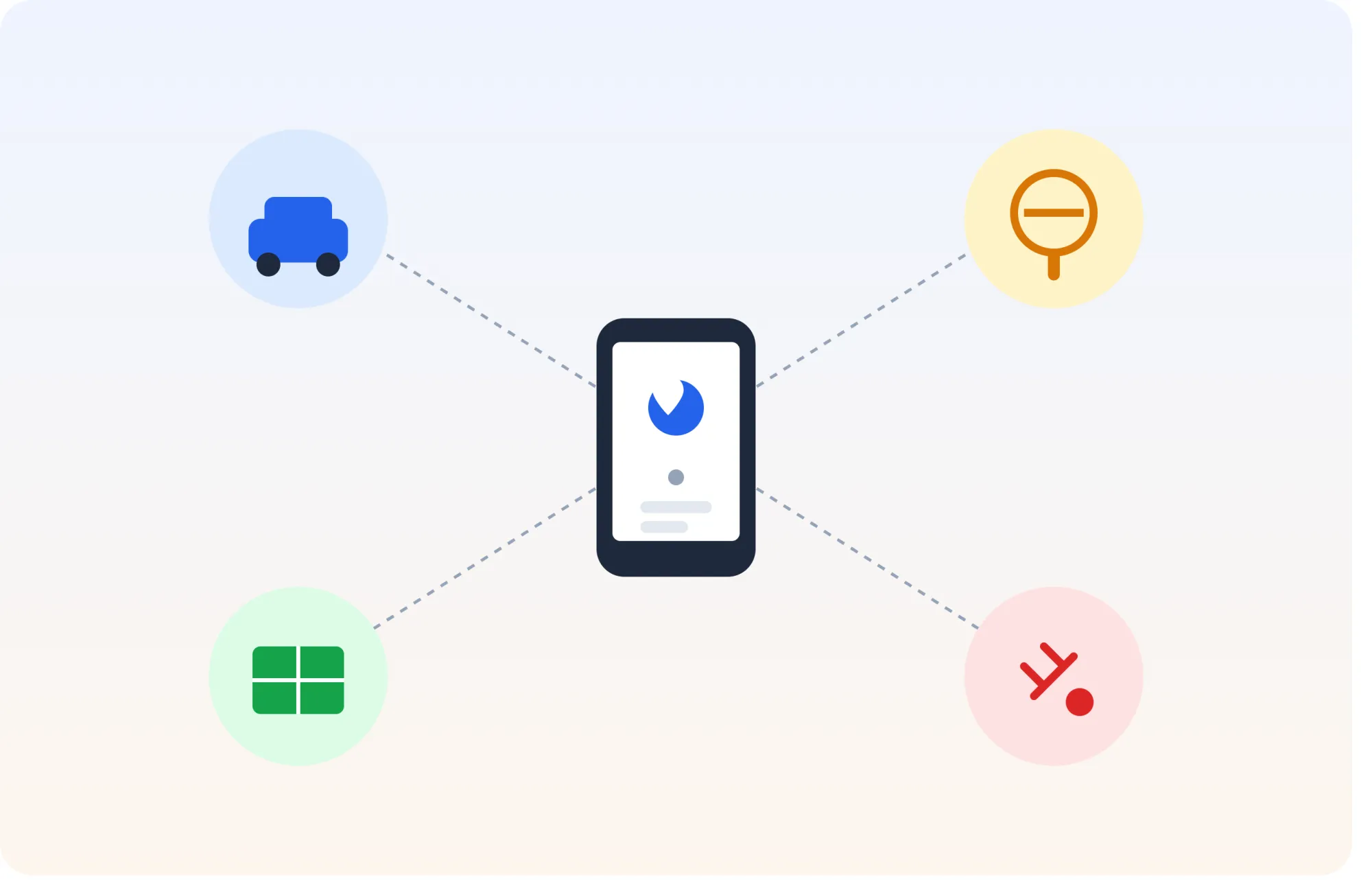
Ride-hailing was just the point of origin. Several other fast-growing business systems also utilize the same logic. These include:
- Delivery Systems and Applications
An Uber clone application is especially good at managing real-time tasks and status updates and also at the quick assignment of orders.
- Hyperlocal & Last-Mile Delivery
Real-time tracking and intelligent, location-based dispatching are relied on by all these companies for the delivery of groceries, medicine, documents, etc.
- Service-Based Marketplaces
Using the same Uber-like workflow, electricians, cleaners, mechanics, and beauty professionals can all be booked and assigned on an on-demand basis.
- Business & Enterprise Logistics
Many companies have even adopted Uber-style systems to deal with the tracking of corporate fleets, the movement of staff, and the setting of on-demand services.
This flexibility explains why, in the current on-demand economy, Uber clone app development services have increased in importance.
What Distinguishes a Modern Uber Clone in 2026?
Modern day Uber clone apps are drastically different than those in the early days. In this day and age, what app businesses expect includes:
- A singular platform for multiple services
- AI to automatically assign services
- Real-time responsive, on-demand pricing
- Individual dashboards for users, service providers, and admin
- The capability to easily expand to multiple cities and countries
Modern-day Uber clone apps are essentially comprehensive, on-demand business apps, as opposed to being a mere app.
How Scalable Uber Clone App Solutions are Built by ClonifyNow
At ClonifyNow, developing an Uber clone app is viewed as a business solution, not an ordinary tech product. The aim is to enable businesses to create a solution that is ready to efficiently scale.
- Multiple on-demand industries from one core platform
- Full white-label customization
- Secure payment integration
- AI-based features
- Real-time tracking and analytics
- Flexible pricing and commission models
Whether your focus is food delivery, logistics, home services, or transportation, ClonifyNow helps you build an Uber-like app that fits your actual market goals.





















Sign in to leave a comment.