

UL Certification is a globally recognized safety certification that verifies a product has been independently tested and meets specific safety and performance standards. The certification is issued by Underwriters Laboratories (UL) and is widely accepted by manufacturers, regulators, and consumers across international markets. Products that carry the UL mark demonstrate compliance with strict safety requirements and provide assurance that the product has been evaluated for potential risks such as electrical shock, fire hazards, and mechanical failure.
For manufacturers and exporters, UL certification plays a crucial role in building trust and improving market access, particularly in countries like the United States and Canada. Many industries such as electronics, electrical equipment, industrial machinery, and consumer appliances often require UL approval to ensure product reliability and safety. The UL mark confirms that a product has been tested according to established safety standards and is safe for use under normal operating conditions.
UL Certification Process
The process of obtaining UL certification typically involves several important stages. First, the manufacturer submits a detailed application with product specifications, technical documents, and design details. After this, experts conduct a preliminary evaluation to determine whether the product meets the applicable UL requirements.
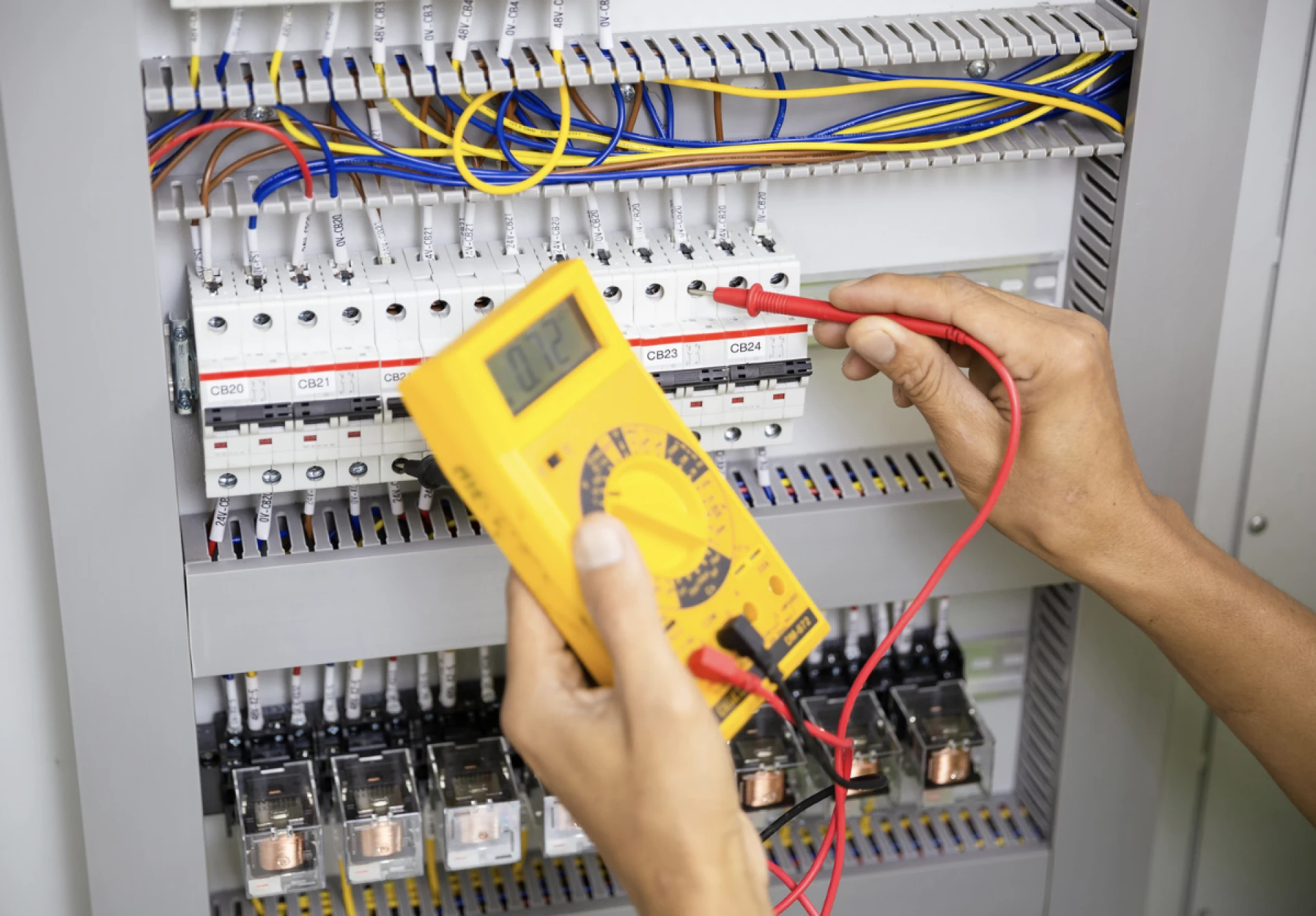
Once the initial review is completed, the product undergoes laboratory testing where engineers analyze its construction, safety features, and performance. In many cases, the manufacturing facility may also undergo an inspection to verify quality control procedures and ensure consistent production standards. If the product successfully meets all required safety criteria, it is granted permission to use the UL mark.
Types of UL Certification Marks
UL provides different types of certification marks depending on the type of product and evaluation performed. The most common marks include:
- UL Listed – Indicates that the complete product has been tested and complies with safety standards.
- UL Recognized – Used for components or materials that are intended to be used within a larger system.
- UL Classified – Indicates that a product has been evaluated for specific hazards or performance characteristics.
UL Certification Consultant Services
Obtaining UL certification can be a complex process that requires technical documentation, product testing, and regulatory compliance. Professional consultants help businesses manage the entire process efficiently. They provide guidance on applicable standards, assist with documentation preparation, coordinate testing procedures, and support communication with certification authorities.
With expert consulting support, companies can reduce certification delays, ensure proper compliance with safety standards, and successfully obtain UL approval for their products. UL certification not only enhances product credibility but also helps manufacturers expand into global markets with confidence.

















Sign in to leave a comment.