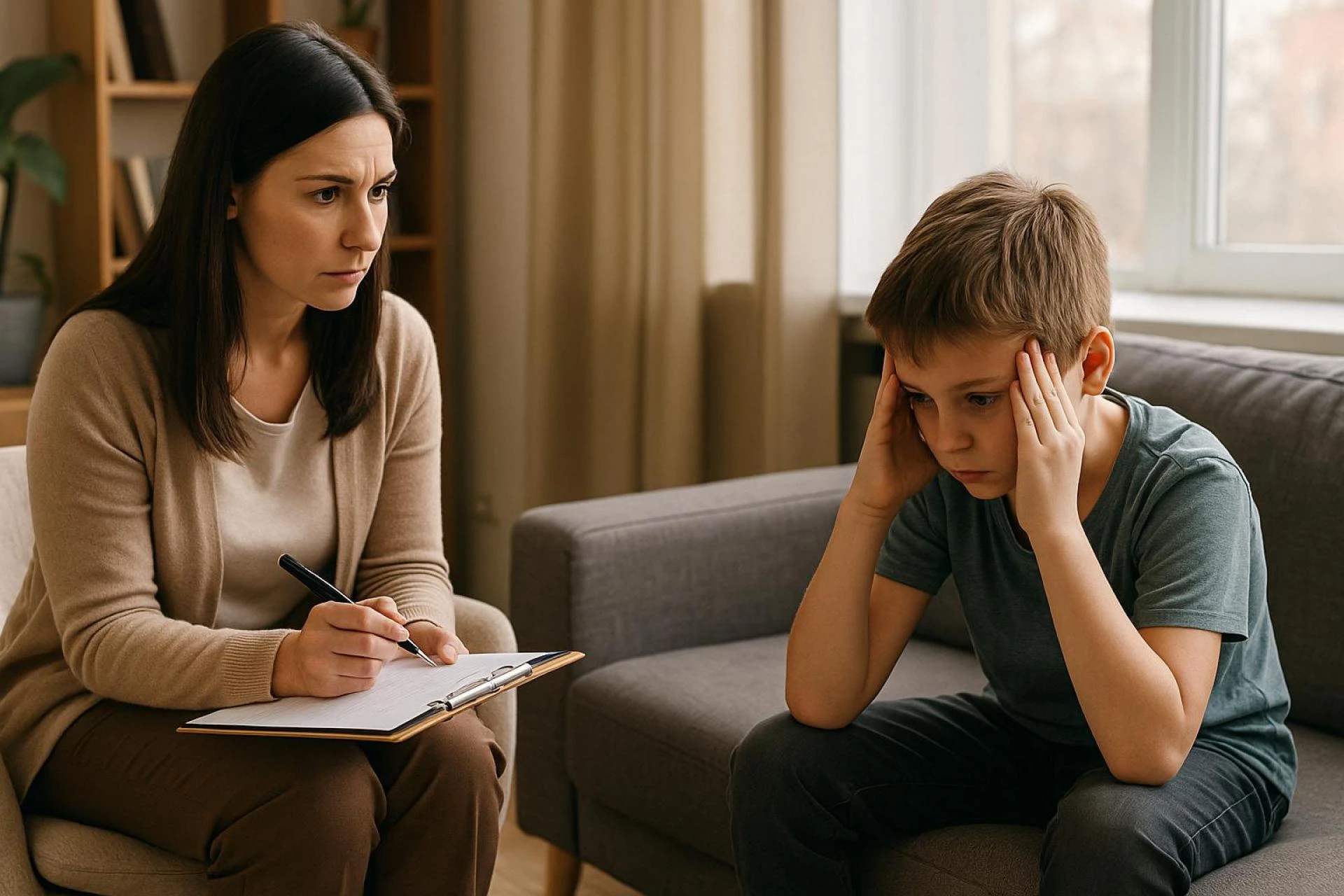

Attention-Deficit/Hyperactivity Disorder (ADHD) is a complex neurodevelopmental condition that affects how children focus, regulate behaviour, and manage emotions. Often diagnosed in early childhood, it can present in various ways, from hyperactivity and impulsivity to inattentiveness and disorganisation. ADHD impacts each child differently, influencing their academic performance, relationships, and everyday routines. Early diagnosis and the support of a child-adhd-psychologist can make a significant difference in helping children thrive.
Below are the key signs of ADHD in children and available support options:
Difficulty Sustaining Attention
Children with ADHD often struggle to stay focused on tasks, especially those that are repetitive or require mental effort, such as schoolwork or chores. They may get easily distracted by minor stimuli and frequently switch between tasks without completing them. This can affect their academic performance and frustrate parents and teachers.
Impulsivity
Impulsiveness is another hallmark trait. Children may speak out of turn, interrupt conversations, or act without considering consequences. This can lead to unsafe situations or social challenges, as they may appear rude or impatient without understanding why their behaviour is problematic.
Hyperactivity
Hyperactivity includes excessive movement, fidgeting, or an inability to sit still. While it’s normal for children to be energetic, those with ADHD are often in constant motion—bouncing, tapping, running, or climbing at inappropriate times. In classroom settings, they may struggle to remain seated or follow quiet activities.
Disorganisation and Forgetfulness
Children may frequently lose school supplies, forget assignments, or be unable to stick to daily routines. This is not due to laziness or lack of effort but is often linked to challenges with executive functioning, which affects memory, planning, and organisation.
Emotional Regulation Challenges
Children with ADHD can be highly sensitive and reactive to their environment. They may struggle with mood swings, frustration, or sudden outbursts over seemingly small issues. Their intense emotional responses can be overwhelming both for them and those around them.
Difficulty Following Instructions
Following multi-step directions may be difficult for children with ADHD. They might complete the first part of a task but forget the rest, or become overwhelmed and shut down. This can create misunderstandings at home and school, where instructions are often layered.
Poor Social Skills or Peer Conflicts
Children with ADHD sometimes misinterpret social cues or act in ways that disrupt group play. They may dominate conversations, interrupt others, or struggle with taking turns, which can lead to peer rejection or feelings of loneliness and low self-esteem.
Understanding ADHD early empowers parents and caregivers to provide the right support and encouragement. With guidance from a qualified Child ADHD Psychologist, children can learn to navigate their challenges with greater confidence. Recognising the signs and seeking help makes a lasting difference in a child’s development. Brave Little Heroes Psychology Hub is committed to raising awareness and offering insights that help children thrive.






























Sign in to leave a comment.