
Attention-Deficit/Hyperactivity Disorder (ADHD) is a common neurodevelopmental condition that affects millions of children, teenagers, and adults worldwide. People with ADHD may experience symptoms such as difficulty focusing, impulsivity, forgetfulness, disorganization, and hyperactivity. While behavioral strategies, therapy, and lifestyle changes can help manage symptoms, ADHD medication remains one of the most effective treatment options for many individuals.
If you are new to the topic, understanding ADHD medication can feel overwhelming. This beginner's guide explains how ADHD medications work, the different types available, their benefits, potential side effects, and what to expect during treatment.
What Is ADHD Medication?
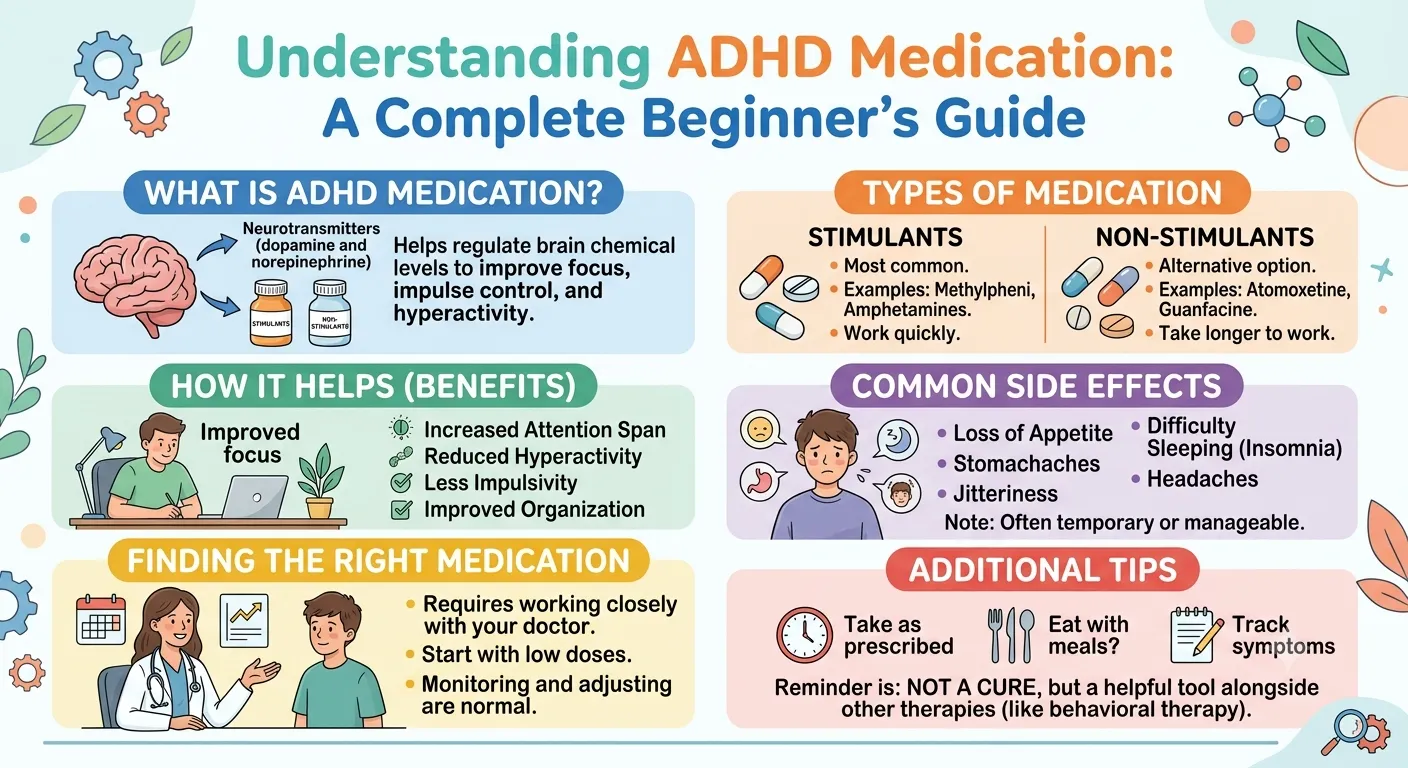
ADHD medication is a treatment designed to help manage the core symptoms of ADHD, including inattention, hyperactivity, and impulsivity. These medications work by affecting certain neurotransmitters in the brain, particularly dopamine and norepinephrine, which play important roles in attention, motivation, and self-control.
It's important to understand that ADHD medication does not cure ADHD. Instead, it helps individuals manage symptoms more effectively, making it easier to focus, stay organized, complete tasks, and regulate behavior.
How ADHD Medication Works
The brains of people with ADHD often process dopamine and norepinephrine differently than those without the condition. These neurotransmitters help regulate attention, decision-making, and executive functioning.
ADHD medications help improve communication between brain cells by increasing or balancing these chemicals. As a result, many people experience:
- Improved concentration
- Better task completion
- Reduced impulsive behavior
- Enhanced organization skills
- Improved academic or workplace performance
- Better emotional regulation
The effects of medication can vary from person to person, which is why treatment plans are individualized.
Types of ADHD Medication
ADHD medications generally fall into two main categories: stimulant medications and non-stimulant medications.
1. Stimulant Medications
Stimulants are the most commonly prescribed ADHD medications and have been used for decades. They are often considered the first-line treatment because they are effective for many individuals with ADHD.
Stimulants work by increasing dopamine and norepinephrine activity in the brain.
Common stimulant medications include:
- Methylphenidate-based medications
- Amphetamine-based medications
Stimulants are available in different forms, including:
- Immediate-release formulations
- Extended-release formulations
- Long-acting formulations
Short-acting medications may require multiple doses throughout the day, while long-acting options provide symptom control for a longer period.
2. Non-Stimulant Medications
Non-stimulant medications may be recommended when stimulants are ineffective, cause significant side effects, or are not appropriate for certain individuals.
These medications work differently than stimulants and may take several weeks to reach their full effectiveness.
Potential benefits of non-stimulants include:
- Lower risk of certain stimulant-related side effects
- Longer-lasting symptom control
- Alternative treatment option for specific medical situations
A healthcare professional can determine whether stimulant or non-stimulant treatment is most appropriate.
Benefits of ADHD Medication
Many people experience significant improvements in daily functioning when taking ADHD medication as prescribed.
Some common benefits include:
Improved Attention
Medication can help individuals stay focused during conversations, meetings, classes, and daily activities.
Better Time Management
Many people find it easier to prioritize tasks, meet deadlines, and manage responsibilities.
Reduced Hyperactivity
For individuals who experience excessive restlessness, medication may help promote a greater sense of calm and control.
Improved Academic Performance
Students with ADHD often benefit from improved concentration, better note-taking abilities, and enhanced study habits.
Enhanced Workplace Productivity
Adults may notice improvements in organization, task completion, and overall job performance.
Better Relationships
By reducing impulsive behaviors and improving communication, medication can positively impact relationships with family, friends, and coworkers.
Possible Side Effects
Like all medications, ADHD medications can cause side effects. Not everyone experiences them, and many side effects improve over time or can be managed with dosage adjustments.
Common side effects may include:
- Decreased appetite
- Difficulty sleeping
- Dry mouth
- Headaches
- Stomach discomfort
- Increased heart rate
- Nervousness or anxiety
Some individuals may experience mood changes or irritability. It is important to discuss any side effects with a healthcare provider rather than stopping medication abruptly.
Finding the Right Medication
Finding the most effective ADHD medication often involves a process known as medication titration.
During this process, healthcare providers may:
- Start with a low dose
- Monitor symptom improvement
- Evaluate side effects
- Adjust dosage gradually
- Consider alternative medications if needed
Because every person's body responds differently, finding the ideal medication and dosage can take time.
Patience and open communication with healthcare providers are essential during this phase.
What to Expect When Starting ADHD Medication
Many individuals wonder what their first experience with ADHD medication will be like.
Some people notice improvements within hours when taking stimulant medications. Others may require several dosage adjustments before finding the right fit.
You may notice:
- Easier focus on tasks
- Reduced mental distractions
- Improved ability to complete work
- Better control over impulsive decisions
It's also common to experience mild side effects during the initial adjustment period.
Keeping a symptom journal can help track benefits and concerns to discuss with your healthcare provider.
ADHD Medication Is Not a Standalone Solution
While medication can be highly effective, it often works best when combined with other supportive strategies.
These may include:
Behavioral Therapy
Therapy can help individuals develop coping skills, improve organization, and manage emotional challenges.
Healthy Sleep Habits
Consistent sleep supports attention, memory, and overall mental health.
Regular Exercise
Physical activity may help improve mood, focus, and executive functioning.
Structured Routines
Creating schedules and organizational systems can reduce stress and improve productivity.
Nutrition
A balanced diet supports overall health and may contribute to better symptom management.
Combining medication with these approaches often leads to better long-term outcomes.
Common Myths About ADHD Medication
Myth 1: ADHD Medication Changes Your Personality
When properly prescribed, ADHD medication is intended to help manage symptoms, not change who you are.
Myth 2: ADHD Medication Is Only for Children
ADHD can continue into adulthood, and many adults benefit from appropriate treatment.
Myth 3: Everyone Responds the Same Way
Responses to medication vary significantly. What works well for one person may not work as effectively for another.
Myth 4: Medication Alone Solves Everything
Medication is often one component of a comprehensive treatment plan that may include therapy, education, and lifestyle modifications.
When to Speak With a Healthcare Professional
If ADHD symptoms are affecting school, work, relationships, or daily responsibilities, a healthcare professional can help determine whether an evaluation is appropriate.
Only a qualified medical provider can diagnose ADHD and recommend suitable treatment options. Self-diagnosis and self-medication should always be avoided.
Conclusion
Understanding ADHD medication is an important step toward making informed treatment decisions. These medications can help improve attention, reduce impulsivity, and support better functioning in daily life. However, successful ADHD management often involves a combination of medication, behavioral strategies, healthy habits, and ongoing medical guidance.
Whether you are a parent researching treatment options for a child or an adult exploring ADHD management for yourself, working closely with a qualified healthcare professional can help you find the safest and most effective approach. With the right support and treatment plan, many individuals with ADHD can achieve greater focus, productivity, and overall quality of life.























Sign in to leave a comment.