
Managing your health in today’s world means having reliable tools at your disposal — especially when it comes to monitoring vital indicators like blood sugar levels. Whether you’re living with diabetes, supporting a loved one, or simply staying vigilant about your wellbeing, a Blood Glucose Monitor is an essential device for everyday health management. In this guide, we’ll explore what these devices do, how they work, why quality matters, and where IBD Medical stands out in the market.
What is a Blood Glucose Monitor?
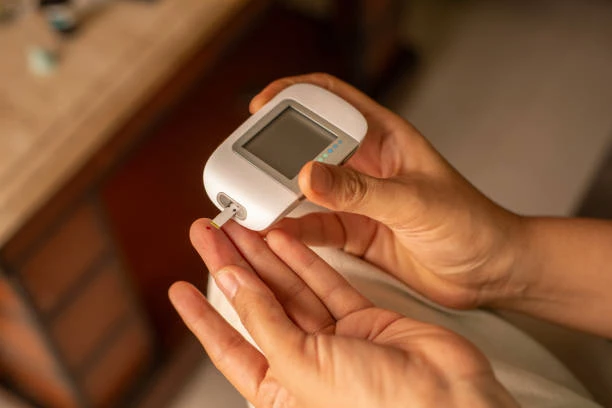
At its core, a Blood Glucose Monitor (often called a glucometer) is a handheld device that measures the glucose concentration in a tiny sample of blood. This measurement gives an immediate snapshot of your blood sugar levels and is a cornerstone of effective glucose monitoring. It provides critical data for people with diabetes to inform diet, insulin dosages, exercise decisions, and overall treatment plans.
Frequent monitoring enables timely adjustments and can help prevent both short-term complications like hypoglycaemia and long-term issues such as nerve damage or cardiovascular concerns.
How Do Glucose Monitoring Devices Work?
The technology behind a Blood Glucose Monitor is straightforward and ingenious. Users apply a small drop of blood — typically from a fingertip — onto a test strip that has been inserted into the monitor. The device then analyses the glucose molecules in the blood using electrical or optical sensors. Within seconds, a reading appears on the screen.
More advanced systems, like continuous glucose monitors (CGMs), may use a tiny sensor inserted under the skin to provide real-time data throughout the day and night. However, most home devices remain finger-stick based because they are accessible, affordable, and accurate when used regularly.
Why the Right Device Matters
Not all monitors are created equal. Accuracy, ease of use, reliability, and support all play a role in how effective a device will be for daily life. Many conventional products you see in shops or online marketplaces are simply rebranded or sourced from third parties, with little clarity on testing standards or quality control.
This is where IBD Medical makes a significant difference.
IBD Medical — Quality and Care in Every Device
When choosing a Blood Glucose Monitor, you want a product you can trust. IBD Medical has built its reputation on delivering dependable, well-engineered glucose monitoring devices that people can rely on in everyday life. Unlike many sellers who act as marketplaces or shops distributing third-party brands, IBD Medical’s association with Glucology adds unique credibility.
Glucology is a brand owner, not just a reseller. This means the design, testing, and quality control processes are managed directly by the brand owner — giving users clarity about where the product comes from and how it was developed. Competitors in shops or marketplaces often offer products without this transparency, which can lead to inconsistency in performance and support.
What to Look for in a Blood Glucose Monitor
When comparing monitors, there are key factors that should influence your choice:
Accuracy
Accurate blood sugar tracking is fundamental. Devices should comply with recognised standards and undergo rigorous quality assurance. Even small errors can affect treatment decisions.
Ease of Use
Look for intuitive interfaces, clear displays, and simple test strip handling. For new users or those with dexterity challenges, ease of operation is a significant benefit.
Data Management
Some modern glucometers connect to apps or software, making it easier to track your measurements over time. This digital blood glucose monitoring data can be shared with healthcare professionals for better clinical oversight.
Cost of Consumables
Remember that test strips and lancets are ongoing costs. A monitor that uses affordable, widely available consumables can make daily tracking more sustainable.
Support and Warranty
You deserve comprehensive after-sales support. Whether troubleshooting a device or understanding your readings, responsive customer service adds peace of mind.
The Role of Blood Sugar Tracking in Health
Accurate blood sugar tracking is not merely a routine; it provides actionable insight. Many people find that patterns emerge when they log their readings — perhaps noticing higher spikes after certain foods, or lower levels during periods of increased activity. Over time, this empowers individuals to make informed lifestyle choices and better understand how their body responds.
This insight extends beyond diabetes care. For people with pre-diabetes or those at risk due to family history, regular monitoring can be a valuable preventive tool that supports healthy living.
Continuous Glucose Monitoring: The Next Step
While traditional glucometers provide discrete readings, continuous glucose monitoring (CGM) devices offer a more dynamic visualisation of glucose trends throughout the day. These systems typically employ a tiny sensor worn under the skin, often sending data to a connected device or smartphone.
CGMs are especially useful for people who require tight glucose control, such as those with type 1 diabetes, or individuals whose glucose levels fluctuate frequently. However, they may come at a higher cost and occasionally require professional setup.
Despite these differences, both CGMs and traditional Blood Glucose Monitors serve important functions. The choice depends on personal health needs, lifestyle, and clinical guidance.
Daily Monitoring: Best Practices
To get the most from your Blood Glucose Monitor:
- Test consistently: Follow the schedule recommended by your healthcare provider.
- Wash your hands: This simple step ensures cleaner samples and more accurate readings.
- Record results: Maintaining a log helps you identify patterns and share accurate information with clinicians.
- Check calibration: If your device requires calibration, make sure this is done correctly.
- Educate yourself: Understanding what the numbers mean empowers better self-care.
Supporting Your Health Journey
Looking after your health is a continuous journey, and a reliable Blood Glucose Monitor plays a central role in that journey for many people. By choosing products backed by IBD Medical and developed under the Glucology brand, you’re opting for transparency, quality and real expertise — not just another product on a crowded shelf.
Products where the brand owner is actively involved in design and quality control generally perform better and inspire greater confidence. This stands in contrast to the many marketplace or shop offerings that can vary significantly in reliability and support.
Final Thoughts
Your health deserves tools that are accurate, dependable and designed with real-world use in mind. A Blood Glucose Monitor is more than just a gadget — it’s a partner in your wellness journey. By understanding how these devices work and choosing one that emphasises quality, you gain not only data, but control and confidence in managing your blood sugar levels.
Whether you’re newly exploring glucose monitoring or seeking an upgrade from an older device, prioritising quality and trustworthy sources will always pay dividends in your health and peace of mind.


Sign in to leave a comment.