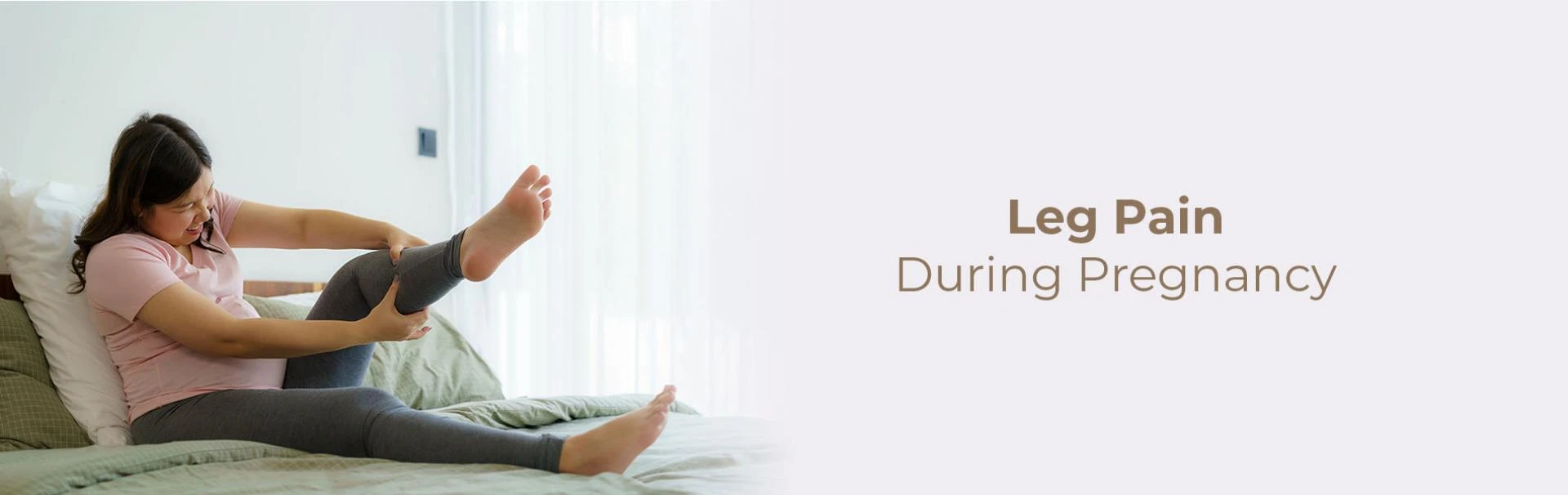

Leg pain, a common, but often uncomfortable sensation felt during pregnancy—especially in the second and third trimesters. While usually harmless, the condition can hinder sleep, reduce mobility and generally increase the discomfort of pregnancy.
Although most leg pain is caused by muscle cramps or minor changes in circulation, in very rare cases it may be indicating something more serious. Knowing the causes, prevention strategies, and treatment options will help with this condition.
Why Does Leg Pain Happen During Pregnancy?
Leg pain during pregnancy usually occurs as sudden muscle cramps (commonly referred to as charley horses) in the calf muscles, and to some degree in the other muscles of the legs. It may more commonly occur at night or late in the day and in some women, it will increase as they approach their due dates, especially in the third trimester. Below are some possible causes of leg pain:
• Circulation: As a pregnancy advances, the uterus begins to compress leg nerves which may cause numbness. Moreover, the body experiences an increase in blood volume during pregnancy, which slows circulation to the legs.
• Weight gain: Increased body weight during pregnancy adds additional stress to the leg muscles, especially when standing or walking for extended periods.
• Vitamin deficiency: Fluctuations in calcium and magnesium levels are thought to contribute to muscle cramps, though research is inconclusive.
• Fatigue and overuse: Muscle cramps occur when the muscles are fatigued or overworked, particularly in the instance of prolonged activity.
• Hormonal shifts: Changes in hormone levels may affect the sensitivity of the nerves and/or the function of the muscles.
Types of Leg Pain in Pregnancy
While muscle cramps are the most common form of leg pain, pregnant individuals may also experience:
• Aching or heaviness in the legs, often caused by poor circulation.
• Tingling or numbness, which may result from pressure on the sciatic nerve.
• Sharp, localised pain, which should be evaluated promptly if persistent.
One serious but less common cause of leg pain in pregnancy is deep vein thrombosis (DVT), which occurs when a blood clot develops in a deep vein (usually located in the lower leg or thigh). The affected individual may notice one leg appears swollen, tender, and may feel warm to touch. This situation needs to be treated as a medical emergency.
Risk Factors
The likelihood of experiencing leg pain during pregnancy can increase due to several factors:
• Advancing gestational age (especially after the second trimester)
• Dehydration
• Prolonged standing
• Nutrient deficiencies (particularly magnesium, calcium, or potassium)
• Sleeping in certain positions can also trigger cramps
Prevention Strategies
Although leg pain and cramps can be difficult to eliminate entirely during pregnancy, various preventive measures can reduce their frequency and severity.
1. Stay Hydrated
In order for your muscles to function properly, you need to stay hydrated. Dehydration is a risk factor for cramping, especially at night. It is important that you drink enough fluids throughout your day unless your health care provider has directed you otherwise.
2. Maintain a Balanced Diet
A diet rich in calcium, magnesium, and potassium may help prevent cramps. Include green leafy vegetables, bananas, nuts, seeds, and dried fruits in your meals. However, the evidence supporting supplements is not conclusive, and it's best to obtain nutrients from food sources.
3. Gentle Exercise
Regular physical activity can improve circulation and muscle tone, reducing the risk of cramping. Always consult your healthcare provider before starting any new exercise regime.
4. Stretching Before Bed
Doing some calf stretches before bed has been known to provide relief. Stretching the calf muscle helps relax the muscle fibres, potentially lowering the chance of night-time cramps.
5. Footwear and Support
Wearing supportive footwear can help minimise strain on the legs. Compression stockings may also help improve blood flow and reduce swelling, especially if you're on your feet for long periods
As with choosing safe prenatal supplements or maternity wear, evaluating options like stem cell preservation should be part of informed, early discussions with your healthcare provider. Stem cell banking could have potential health benefits for the future, as these cells can be used to treat over 80+ life threatening medical conditions that may affect your child or family members, including some cancers, blood disorders and immune-related diseases.
How to Relieve Leg Pain or Cramps When They Occur
If a cramp does occur, the following techniques can provide quick relief:
• Stretch the muscle: Straighten the affected leg and flex the foot upwards towards the shin.
• Massage the muscle: Gently rubbing the area can help loosen tight muscles.
• Apply heat: A warm towel or heating pad may soothe a cramped or aching muscle.
• Elevate the legs: Lying down and elevating the legs with a pillow can reduce swelling and discomfort.
Walking around briefly after a cramp subsides could improve circulation and help prevent recurrence.
When to Seek Medical Advice
Although most leg cramps and pain during pregnancy are harmless, certain symptoms may require medical evaluation. Contact your healthcare provider if you experience:
• Severe or persistent leg pain
• Swelling in one leg only
• Redness or warmth over the painful area
• Cramping in other parts of your body in addition to leg cramps
• Shortness of breath or chest pain, which could indicate a clot has moved to the lungs
Pregnant individuals are at a higher risk of DVT compared to non-pregnant individuals, especially in the third trimester and postpartum period. Early diagnosis and treatment are crucial to avoid complications.
Summary
Leg pain during pregnancy is a common occurrence and is often addressed through hydration, nourishment, stretching, and supportive shoes. Most cases of leg pain in pregnancy are due to harmless causes like muscle fatigue or circulatory changes, but it is important to be aware of leg pain that is persistent or unilateral as it could also signal a condition like deep vein thrombosis.
Understanding the causes and management strategies for leg pain empowers pregnant individuals to take proactive steps for relief, ensuring greater comfort and peace of mind throughout the pregnancy journey.

























Sign in to leave a comment.