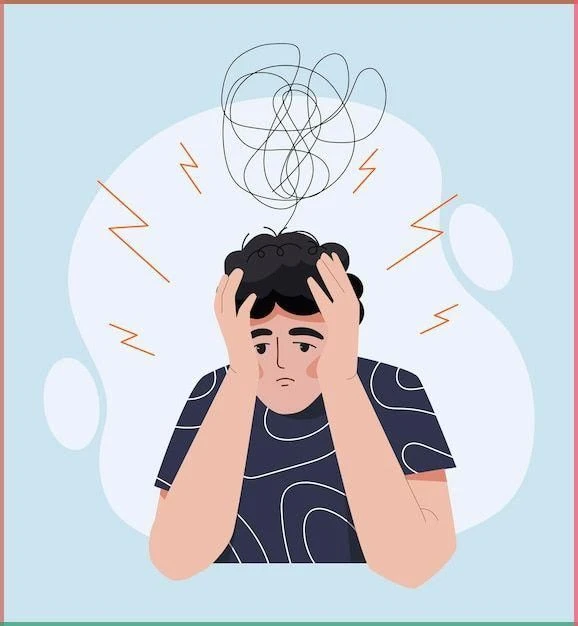

Anxiety is an emotion that everyone experiences. Anxiety is a normal human emotion. Everyone has experienced it, whether before a big event, during a turbulent plane ride, or when waiting for important information. When feelings of anxiety and worry become overwhelming and persistent and start to interfere with everyday life, this may be a sign of an anxiety disorder.
Understanding anxiety levels can help you determine when the symptoms are temporary and when professional assistance is needed. This article will examine the spectrum of anxiety and its symptoms as well as effective ways to deal with it.
What is anxiety?
Anxiety is a natural reaction of the body to stress. Anxiety is a feeling that you are apprehensive or fearful about the future. This "fight or flight" response causes a rush in adrenaline to prepare you for a perceived danger. This response is helpful when a real danger is present, but can be problematic if it's used too frequently or in situations that are not dangerous.
Anxiety disorders affect millions of Americans each year. These disorders include Generalized Anxiety Disorders (GAD), Panic Disorders, Social Anxiety Disorders, and Specific Phobias.
Mild, moderate, and severe anxiety
Anxiety doesn't fit all. Experts often classify anxiety into levels in order to better understand the impact.
1. Mild Anxiety
Mild anxiety can be a part of our everyday lives. It can be a good thing, as it helps you focus and motivates you to face challenges.
- How it feels: It may feel like you are restless, irritable or on edge. It is often described as feeling "butterflies in your stomach".
- Symptoms include: increased alertness, finger-biting and fidgeting.
- Effect on daily life: Mild anxieties usually don't interfere with daily functioning. You can work, socialize and accomplish tasks efficiently. Feeling anxious about a job interview, for example, can motivate you to prepare better.
2. Anxiety Disorders of Moderate Severity
The physical and emotional symptoms are more apparent at this level. You may feel as if your focus is narrowing and that there's something wrong.
- How it feels: It may make you feel more agitated and nervous. You may feel a little disorganized and find it difficult to focus on anything but the source of your anxiety.
- Signs and symptoms: An increased heart rate, sweating or muscle tension, a shaken voice, and stomach discomfort. You may pay selective attention to some things and ignore others.
- Effect on daily life: Moderate anxiety may start to affect performance. You may find it hard to understand others, to solve problems or to learn new information. You may find it difficult to perform simple tasks.
3. Severe Anxiety
A severe anxiety disorder is extremely distressing, and it can significantly affect your ability to function. You can only concentrate on one or a few details.
- How it feels: Fear or dread are common feelings. You may lose your sense of reality and feel an impending disaster.
- Symptoms: Physical symptoms are prominent and include dizziness and nausea. It may be difficult to reason or think logically.
- Impact of daily life: Functionality is severely restricted. Someone suffering from severe anxiety might not be able to perform simple tasks. This level of anxiety can be associated with panic attacks where physical symptoms may seem so severe that people believe they're having a heartattack.
Common Anxiety Symptoms
Some common symptoms of anxiety disorders include:
- Emotional symptoms:
- Feelings of persistent worry or dread
- Feeling nervous or tense
- Irritability
- Anticipating worst-case scenarios
- Problems concentrating
- Physical symptoms:
- Heart pounding or racing
- Shortness of Breath
- You may experience nausea, upset stomach or diarrhea
- Headaches
- Fatigue and sleep disorders (insomnia).
- Sweating, trembling or twitching
Seeking Professional Help
When anxiety crosses the line between a normal feeling and a possible health issue, it's important to recognize. If:
- You are experiencing significant anxiety and it is interfering in your relationships, work or school.
- You suffer from frequent panic attacks.
- You feel overwhelmed by your worries.
- Your anxiety makes you avoid daily situations or activities.
- Alcohol or drugs are used to deal with your emotions.
A mental health professional such as a psychiatrist or therapist can diagnose you properly and develop a treatment plan that is tailored to your specific needs.
Disclaimer: This is an informational article and if you're struggling with anxiety. Consult a healthcare professional. At Inland Empire Behavioral Group, Providing the best in-person mental health services at Riverside, California and virtual Psychiatry Services all over the United States.
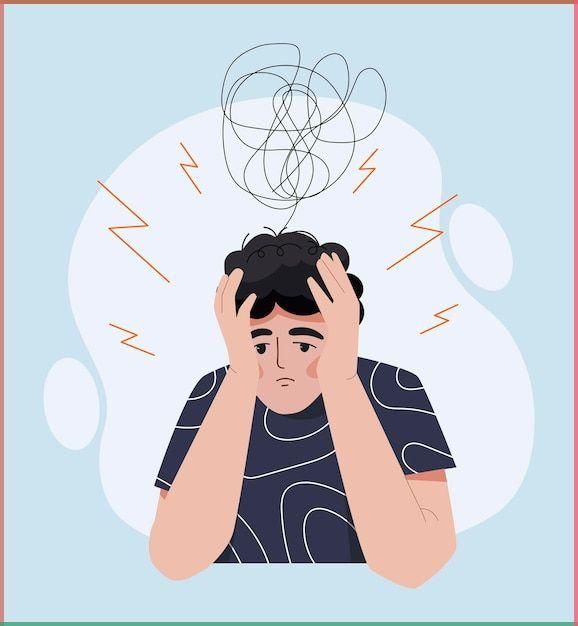
How to Manage Anxiety
No matter if you suffer from mild anxiety or severe anxiety, there are several ways to manage your symptoms. This will improve your quality of life.
- Meditation and Mindfulness: By practicing mindfulness, you can stay in the moment instead of worrying about the past or the future. Calm and Headspace are apps that offer guided meditations to help with anxiety.
- Regular Exercise: Exercise can reduce anxiety. Walking, running, dancing, and yoga can release endorphins, which improve your mood.
- Healthy diet: A balanced diet rich in fruit, vegetables, whole grain, and lean protein can support brain-health. Limit caffeine and alcohol as these can worsen or trigger anxiety symptoms.
- Sleep is a priority: Strive for 7-9 quality hours of sleep each night. Set up a relaxing routine before bed to tell your body it's time for you to relax.
- Deep Breathing Techniques, such as belly breathing (diaphragmatic breathing), can calm down your nervous system quickly. Inhale for four counts and hold for four. Exhale for six.
- Cognitive Behavioral Treatment (CBT) is a highly-effective form of therapy which teaches you how to identify and challenge the negative thought patterns and behavior associated with anxiety.
Final Thoughts
Anxiety can be a difficult but manageable condition. Understanding its levels and recognizing symptoms will help you take proactive measures to manage it. You can manage mild anxiety by understanding that it is part of the human experience.
It is courageous to ask for help. You can overcome anxiety with the right support, and by using coping techniques.
Sign in to leave a comment.