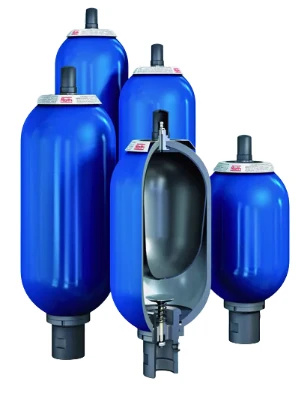

Bladder accumulators are critical components in modern hydraulic systems, widely used across industries for their efficiency, reliability, and ability to maintain system stability. At Techknow Engineering Enterprise, we specialize in providing high-quality bladder accumulators that meet diverse industrial needs, ensuring optimal performance and durability.
A bladder accumulator is a type of hydraulic accumulator that stores energy in the form of pressurized fluid. It consists of a flexible bladder, usually made of rubber, enclosed within a steel or aluminum shell. This bladder separates the hydraulic fluid from the gas, typically nitrogen, which compresses as the fluid enters. This design allows the accumulator to store energy and release it when needed, acting as a shock absorber and pressure stabilizer in hydraulic systems.
One of the primary advantages of bladder accumulators is their ability to compensate for pressure fluctuations. In hydraulic systems, sudden changes in pressure can damage sensitive components or cause inefficient operation. By absorbing excess pressure and releasing stored energy when needed, bladder accumulators maintain system equilibrium, protecting equipment and extending the lifespan of the machinery.
Another critical function of bladder accumulators is energy storage. These accumulators can store hydraulic energy during periods of low demand and release it when demand increases. This energy management capability improves system efficiency and reduces the workload on pumps, contributing to energy savings and lower operational costs. Additionally, bladder accumulators are faster and more responsive than other types, such as piston or diaphragm accumulators, making them ideal for applications that require rapid response times.
Bladder accumulators also play a vital role in emergency situations. In case of pump failure or power loss, the stored energy in the accumulator can temporarily maintain hydraulic functions, preventing system downtime and ensuring operational continuity. Industries like manufacturing, construction, and oil and gas often rely on bladder accumulators for this emergency backup capability, highlighting their importance in critical applications.
When selecting a bladder accumulator, several factors must be considered to ensure optimal performance. The operating pressure, fluid type, and system volume are essential parameters to match the accumulator to specific applications. Proper sizing is crucial, as undersized accumulators may not provide sufficient energy storage, while oversized units can be inefficient and costly. Techknow Engineering Enterprise offers expert guidance and customized solutions to help clients choose the right bladder accumulator for their systems.
Maintenance of bladder accumulators is relatively simple but essential for long-term performance. Regular inspection of the bladder for wear or damage, checking gas pressure, and monitoring system performance can prevent unexpected failures. With proper maintenance, bladder accumulators provide years of reliable service, making them a cost-effective investment for any hydraulic system.
In conclusion, bladder accumulators are indispensable components in hydraulic systems, offering energy storage, pressure stabilization, and emergency backup functions. Their flexibility, efficiency, and responsiveness make them suitable for a wide range of industrial applications. Techknow Engineering Enterprise is committed to supplying high-quality bladder accumulators, ensuring superior performance, reliability, and peace of mind for our clients. By integrating bladder accumulators into your hydraulic system, you can enhance efficiency, protect equipment, and maintain smooth operations across all industrial processes.



























Sign in to leave a comment.