
Introduction
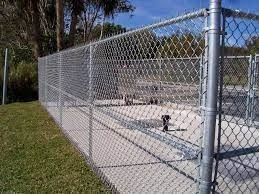
Chain link fencing is a popular and versatile fencing option used for a variety of purposes, from securing residential yards to enclosing industrial sites. But what makes it so popular? In this guide, we'll dive deep into everything you need to know about chain link fencing, its benefits, installation process, maintenance tips, and much more.
History of Chain Link Fencing
Origin and Evolution
Chain-link fencing dates back to the mid-19th century. It was first developed in the UK by Charles Barnard, who used a weaving technique inspired by cloth manufacturing to create the first chain-link fence. Since then, it has evolved significantly, becoming a staple in both residential and commercial properties worldwide.
Key Developments Over Time
Over the years, advancements in materials and manufacturing processes have made chain link fencing more durable, affordable, and versatile. The introduction of galvanized steel and vinyl coatings has enhanced its resistance to weather and corrosion, making it a long-lasting fencing solution.
Materials Used in Chain Link Fencing
Galvanized Steel
Galvanized steel is the most common material used for chain link fencing. It involves coating the steel with a layer of zinc to prevent rust and corrosion, ensuring the fence's longevity and durability.
Vinyl Coated
Vinyl-coated chain link fences offer an additional layer of protection and aesthetic appeal. The vinyl coating is available in various colors, allowing property owners to match the fence to their landscape or building.
Aluminum
Aluminum is a lightweight and rust-resistant alternative to steel. Although not as strong as steel, aluminum chain link fences are ideal for areas with high humidity or saltwater exposure, such as coastal regions.
Types of Chain Link Fences
Residential Chain Link Fences
Residential chain link fences are designed to provide security and boundary definition for homes. They are usually shorter and come in various styles and colors to blend with the home's exterior.
Commercial Chain Link Fences
Commercial chain link fences are taller and sturdier, often used to secure business premises, schools, and public buildings. They provide a higher level of security while maintaining visibility.
Industrial Chain Link Fences
Industrial chain link fences are the most robust, designed to secure large industrial sites, warehouses, and factories. They are built to withstand heavy usage and harsh environmental conditions.
Chain Link Fence Components
Fabric
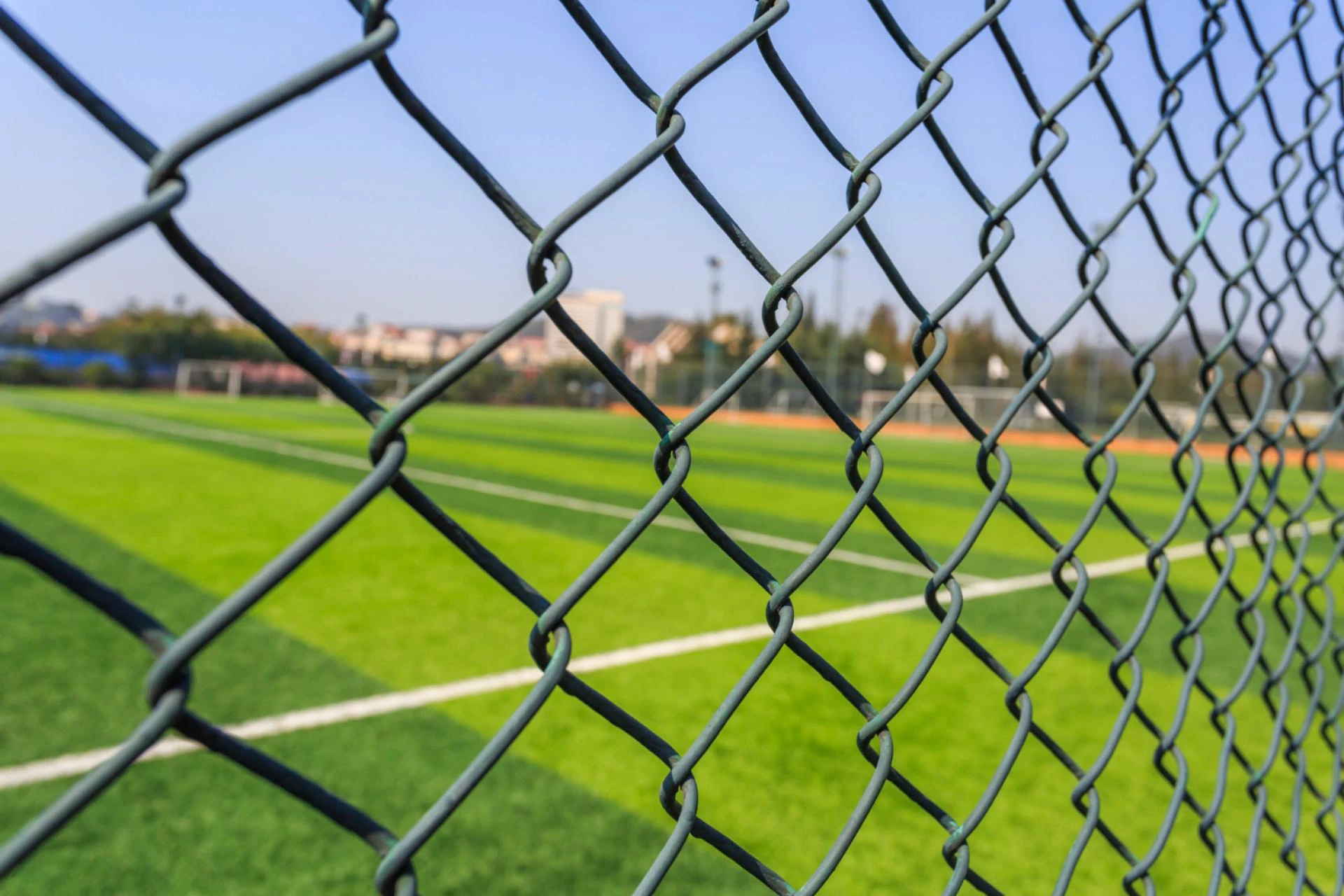
The fabric is the mesh portion of the fence, typically made from galvanized or vinyl-coated steel wire. It comes in various gauges (thickness) and mesh sizes.
Framework
The framework consists of posts, rails, and braces that support the fabric. These components are usually made from steel or aluminum and are essential for the fence's stability.
Fittings and Accessories
Fittings and accessories include tension bands, ties, and caps that connect and secure the fabric to the framework. These small but crucial components ensure the fence's overall integrity and performance.
Benefits of Chain Link Fencing
Durability
Chain link fences are known for their strength and durability. They can withstand harsh weather conditions and heavy impacts, making them ideal for both residential and commercial use.
Cost-Effectiveness
Compared to other fencing options, chain link fences are relatively inexpensive. The materials and installation costs are lower, and they require minimal maintenance, making them a cost-effective choice.
Low Maintenance
Chain link fences require little maintenance. Regular inspections and occasional cleaning are usually sufficient to keep them in good condition.
Security and Visibility
Chain link fences provide a high level of security while maintaining visibility. This is particularly useful for properties where surveillance is important, such as schools and industrial sites.
Applications of Chain Link Fencing
Residential Areas
Chain link fences are commonly used to enclose backyards, gardens, and swimming pools, providing security and privacy for homeowners.
Commercial Properties
Businesses use chain link fences to secure their premises, protect assets, and control access. They are also used around parking lots and storage areas.
Industrial Sites
Industrial sites require sturdy and reliable fencing solutions to secure equipment, materials, and property. Chain link fences meet these needs with their strength and durability.
Recreational Facilities
Parks, playgrounds, and sports fields often use chain link fences to define boundaries and enhance safety without obstructing views.
Public Spaces
Public spaces such as schools, government buildings, and transit stations use chain link fences for security and crowd control, ensuring a safe environment for visitors.
Installation Process of Chain Link Fences
Planning and Measuring
The first step in installing a chain link fence is planning and measuring the area to be fenced. This includes marking the fence line, identifying gate locations, and determining the number of posts needed.
Digging Post Holes
Next, post holes are dug at regular intervals along the fence line. The depth and diameter of the holes depend on the height and length of the fence.
Setting the Posts
Posts are set in the holes and secured with concrete. It's crucial to ensure the posts are level and evenly spaced to maintain the fence's stability.
Attaching the Fabric
Once the posts are set, the chain link fabric is attached. This involves stretching the fabric between the posts and securing it with tension bands and ties.
Maintenance Tips for Chain Link Fencing
Regular Inspections
Regular inspections help identify any issues early on. Look for signs of rust, loose fittings, and damage to the fabric.
Cleaning Techniques
Cleaning a chain link fence is simple. Use a garden hose or pressure washer to remove dirt and debris. For stubborn stains, a mild detergent can be used.
Repairing Damages
Small damages can be repaired with pliers and wire ties. For more significant issues, such as bent posts or torn fabric, professional repair services may be needed.
Common Issues and Solutions
Rust and Corrosion
Galvanized and vinyl-coated fences are resistant to rust, but over time, exposure to the elements can cause corrosion. Regular cleaning and applying a protective coating can prevent this.
Sagging and Loose Fences
Sagging can occur if the fence is not properly tensioned during installation. Tightening the tension bands and securing loose posts can resolve this issue.
Vandalism and Damage
Vandalism can be a problem in some areas. Repairing damaged sections promptly and installing security measures, such as cameras and lighting, can deter vandals.
Chain Link Fencing vs. Other Fencing Options
Wooden Fences
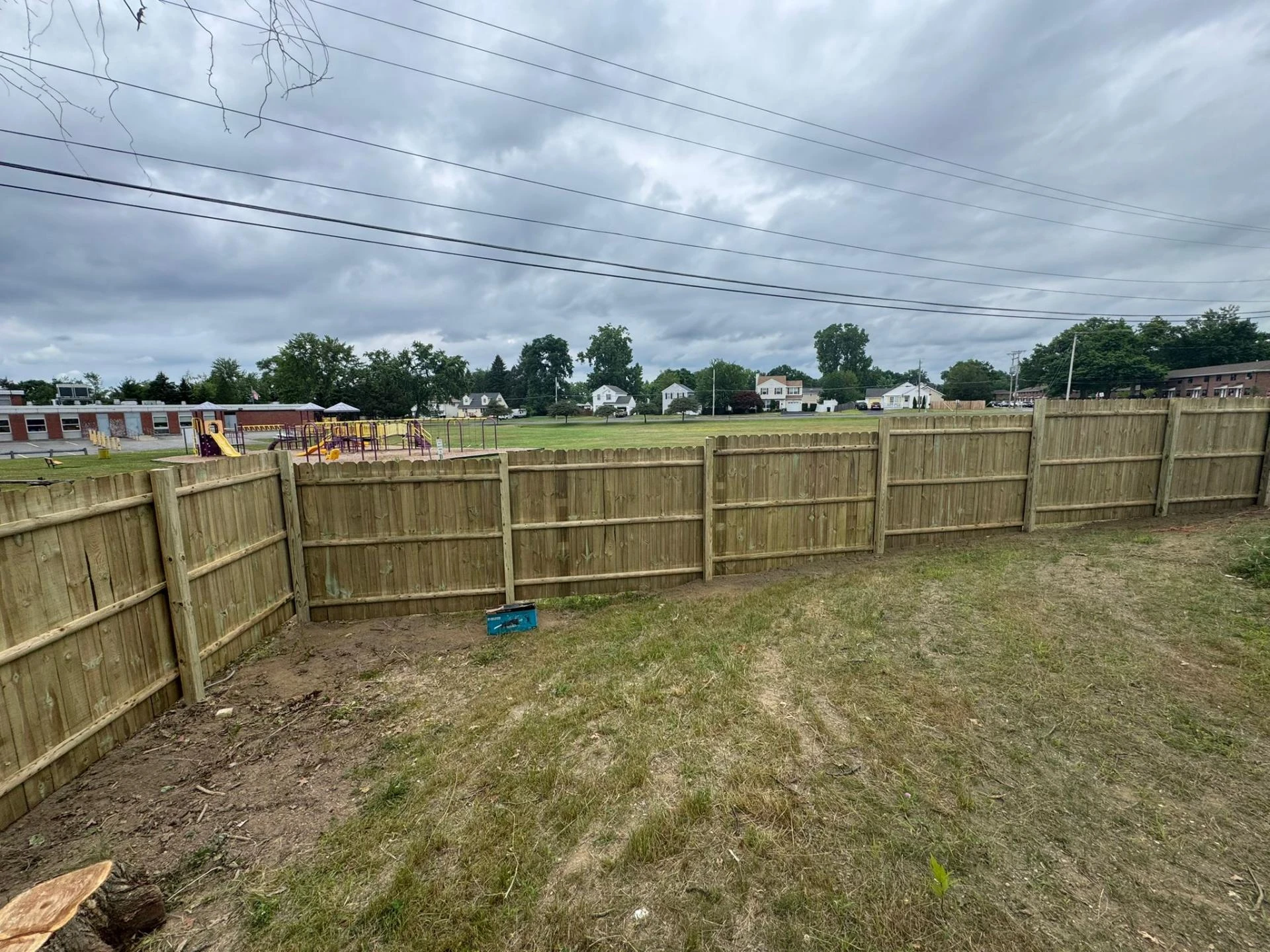
Wooden fences offer a more natural look but require regular maintenance, such as staining and sealing. They are also more expensive than chain link fences.
Vinyl Fences
Vinyl fences are low-maintenance and available in various styles. However, they are more costly and less durable than chain link fences.
Wrought Iron Fences
Wrought iron fences are strong and elegant but expensive and prone to rust. They require regular maintenance to prevent corrosion.
Cost Considerations
Initial Installation Costs
Chain link fences are one of the most affordable fencing options. The cost depends on the height, length, and type of material used.
Long-Term Maintenance Costs
Maintenance costs are minimal compared to other fencing types. Regular inspections and occasional repairs are usually sufficient to keep the fence in good condition.
Customizing Your Chain Link Fence
Color Options
Vinyl-coated chain link fences are available in various colors, allowing you to choose one that complements your property.
Privacy Slats
Privacy slats can be inserted into the mesh to enhance privacy and add a decorative touch. They are available in different colors and styles.
Decorative Elements
Decorative elements, such as ornamental caps and scrolls, can be added to the fence to enhance its appearance.
Environmental Impact
Sustainability of Materials
Chain link fences are made from recyclable materials, making them an environmentally friendly option.
Recycling Options
At the end of its life, a chain link fence can be recycled, reducing waste and promoting sustainability.
Conclusion
Chain link fencing is a versatile, durable, and cost-effective solution for various applications. Whether you need to secure your home, business, or industrial site, a chain link fence offers numerous benefits. With proper installation and maintenance, it can provide security and peace of mind for many years.
FAQs
How long does a chain link fence last?
A well-maintained chain link fence can last 15-20 years or more, depending on the materials used and environmental conditions.
Can chain link fences be painted?
Yes, chain link fences can be painted. It's best to use a paint designed for metal surfaces and apply a primer first to ensure proper adhesion.
Are chain link fences good for pets?
Chain link fences are excellent for pets as they provide a secure boundary while allowing visibility. However, it's important to ensure the fence height and mesh size are appropriate for your pet's size and behavior.
How tall can chain link fences be?
Chain link fences can be built in various heights, typically ranging from 3 feet to 12 feet or more, depending on the application and local regulations.
Is a permit required for installing a chain link fence?
Permit requirements vary by location. It's essential to check with your local building authority to determine if a permit is needed for your fence installation.


Sign in to leave a comment.