
Introduction
Think of your kidneys like tiny strainers or filters in your body. When these filters gradually stop working properly, this disease is known as Chronic Kidney Disease. In India, millions of people have CKD, but many do not know it. The good news is that when detected early, it can be managed effectively, especially with guidance from the best kidney specialist. Learning about kidney problems helps you take better care of your body.
What Is Chronic Kidney Disease?
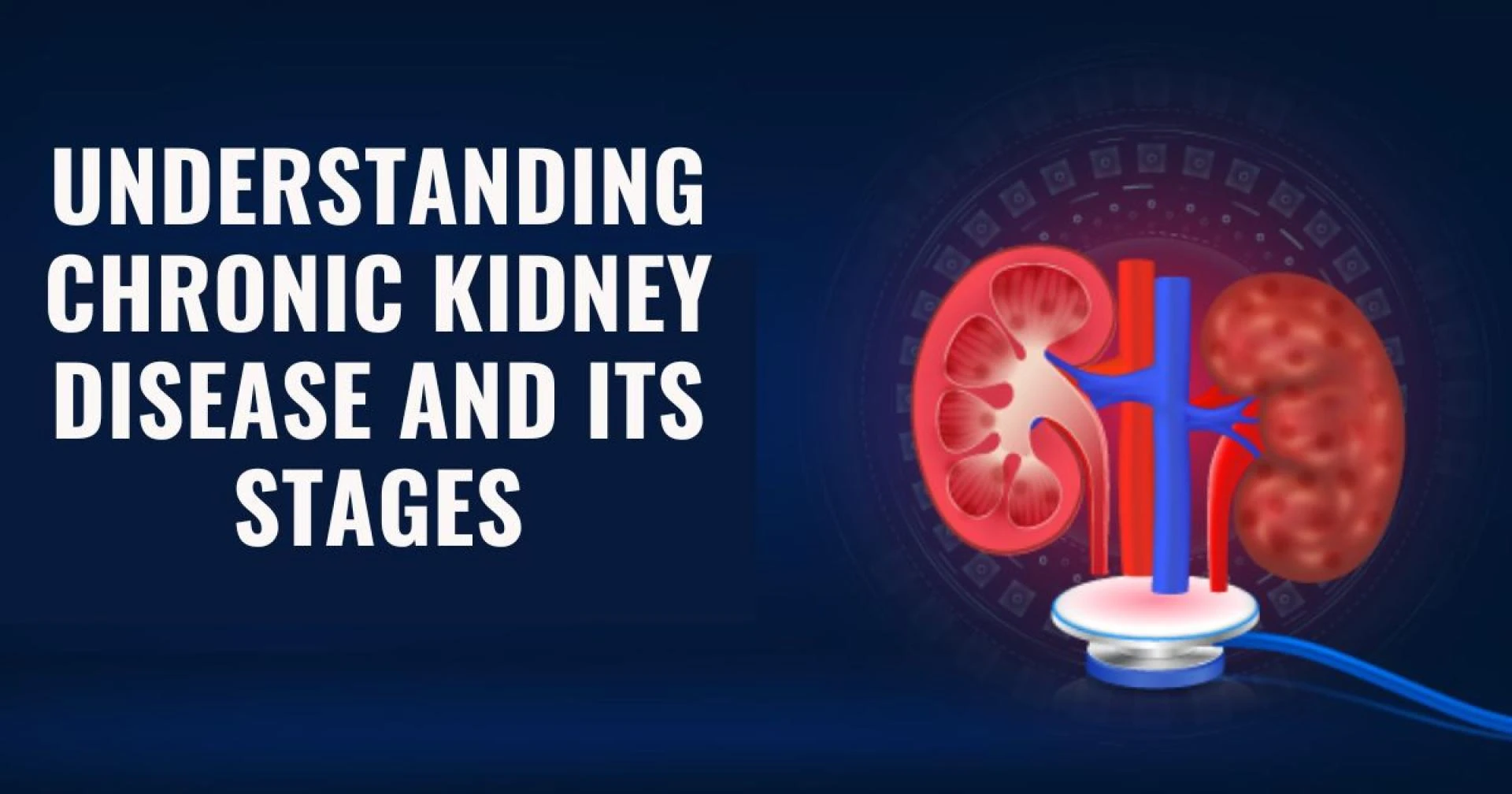
Many things can hurt your kidneys over time. Think of your kidneys like strainers - they clean your blood, remove bad stuff, control blood pressure, and help make blood cells. Now, when the kidneys cannot work properly or get damaged, it is called Chronic Kidney Disease. You can get kidney problems from high blood pressure, diabetes, or other health issues.
You are more likely to get it
- If someone in your family had it,
- If you are older than 60,
- If you smoke, or
- If you eat lots of salt.
This damage usually happens slowly, over months or years. The best kidney hospital in India can help control these conditions to slow down kidney damage.
Signs And Symptoms Of CKD
Chronic kidney disease symptoms and signs often appear quietly at first, which is why CKD is sometimes called a silent disease. Treating it sooner can make treatment more effective.
- Feeling tired, weak, or low on energy.
- Poor appetite.
- You may pee more often.
- Swollen or Puffy hands, feet, and face.
- Bubbly or foamy urine.
- Cannot focus well.
- Feeling sick or throwing up.
- Leg cramps.
- Difficult to sleep.
- Parts of the body feel numb.
- Muscles cramps.
- Itchy skin that looks darker.
These signs and symptoms of chronic kidney disease may seem mild at first, but you should not ignore them. If you notice any of these signs, especially if you have Diabetes or High Blood Pressure, talk to your doctor right away.
Stages of Chronic Kidney Disease
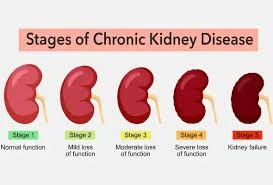
Your kidneys go through five levels of sickness, from mild to severe. Doctors check how sick your kidneys are by testing your blood and urine. This tells them how well your kidneys are cleaning your blood. Think of it like a report card for your kidneys, where stage 1 means they are still working pretty well, and stage 5 means they are very sick.
Stage 1 - Mild kidney Damage, Normal Function
This is the early stage wherein your kidneys still work well, but there are small signs of damage. Most people do not feel any symptoms at this stage, which is why regular check-ups are so important.
Stage 2 - Mild Loss Of kidney Function
Your kidneys are still working quite well, but not at their best. Some waste products may start building up in your blood. The best kidney specialist can help you make lifestyle changes to protect your kidneys at this stage.
Stage 3 - Moderate Loss Of kidney Function
In this stage, the symptoms of CKD become more prominent. Your kidneys are working harder to do their job. You may feel tired more often, notice some swelling, or have changes in how often you need to urinate. This is a crucial stage wherein proper medical care can make a difference.
Stage 4 - Severe kidney Function Decline
At this stage, your kidneys are having trouble working properly. When your kidneys get very weak, you will need more care. Your doctor will help you prepare for dialysis, a machine that cleans your blood like your kidneys do.
Stage 5 - Kidney Failure
This is the final stage, where kidneys can no longer keep up with cleaning your blood. Treatment options include kidney transplant or Dialysis. The best kidney hospital in India can offer complete care and support during this tough time.
How CKD Is Diagnosed
Chronic kidney disease diagnosis involves several steps. First, your doctor will check your medical history, do a physical exam, ask about your medicines, and discuss any symptoms you have noticed. Your doctor will typically test your blood for waste products and urine for protein and check your medical history. They may suggest imaging tests like an ultrasound. These tests help to check for CKD and its stage to plan the right treatment.
Treatment And Care For CKD
CKD cannot be cured, but you can take measures to slow its progress and protect your kidney function. When your kidneys get very sick, you will need chronic kidney disease treatment. It involves a machine to clean your blood or a new kidney. A good kidney doctor will help find the best way to make you feel better.
- See a kidney doctor regularly.
- Keep healthy blood pressure and blood sugar.
- Eat healthy food with less salt.
- Doctors may prescribe medications to lower your BP, control your cholesterol, etc.
- Take your medicines as told by your doctor
When kidneys Deteriorate Further
Doctors will recommend blood cleaning or Dialysis.
- Machine cleans your blood (hemodialysis) - 3 times a week for 4 hours.
- OR special fluid in your belly cleans blood (peritoneal dialysis) - done at home
Kidney Transplant or New Kidney.
- Get a kidney from a living person (family or friend).
- OR get a kidney from someone who has died.
- Usually wait 3-5 years for a new kidney unless it is from family/friends.
Remember - see your doctor right away if you notice any kidney problems. Early treatment helps you stay healthier longer.
How To Prevent CKD
Going to your doctor for regular check-ups can help stop kidney problems before they start. If you have a higher chance of getting kidney disease, your doctor will test you often to catch any issues early. Here are some ways to help prevent CKD.
- Stay active for at least 30 minutes - five days a week.
- Control your blood pressure.
- Avoid smoking or using tobacco.
- If you have sugar disease, make sure your blood sugar stays normal.
- Eat good, healthy food.
- Don't drink too much alcohol.
- Do not smoke.
- Take pain medicine only when you need it - too much can hurt your kidneys.
- Keep a healthy weight.
- Move your body and exercise for half an hour - five times every week.
Conclusion
Knowing about kidney disease is vital to prevent and treat it. While it can be serious, finding it early and taking good care of yourself can help stop it from getting worse quickly. Your kidneys work day and night to keep you healthy. That is why it is very important to take good care of your kidneys. If you find anything unusual with your body, see a kidney doctor right away. With good medical care and healthy living habits, many people with kidney problems can still live happy, normal lives.

























Sign in to leave a comment.