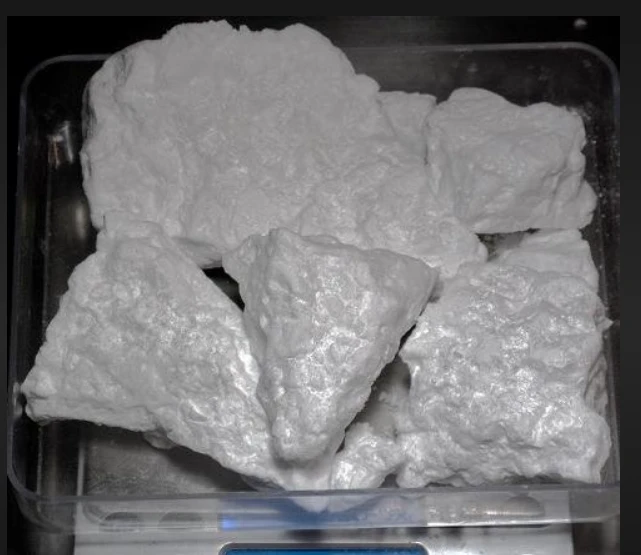
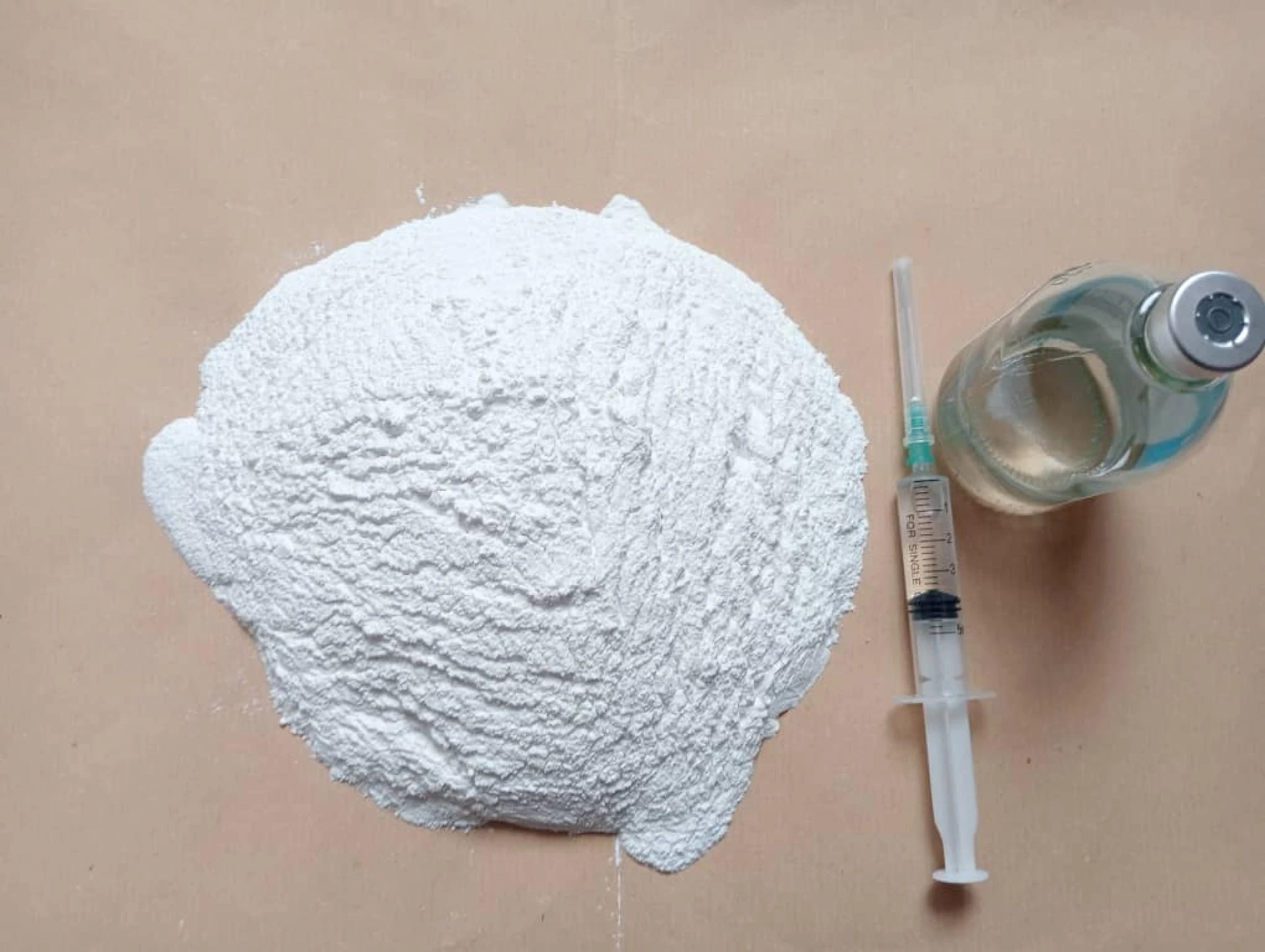
Hey there, curious reader! Today's post dives into a topic that often pops up in movies, music, and street conversations but isn't usually spelled out clearly: the slang terms used to measure cocaine. Whether you've heard phrases like "eight ball" or "quarter" and wondered what they actually mean, or you're just fascinated by how language evolves around such underground trades, you're in the right place.
Let's unpack these terms—with a respectful and informative lens—so you understand the measurements behind the slang.
What's in a Name? Common Cocaine Quantity Terms Explained
Cocaine quantities on the street are often referenced with catchy shorthand. These terms typically relate to specific weights, making it easier to communicate quickly without pulling out scales or precise measurements. Here are some of the most well-known ones:
Eight Ball
This is a classic. It refers to an eighth of an ounce—about 3.5 grams. The term "eight ball" comes directly from the fraction 1/8, which is standard for small-scale purchases. The name likely also draws inspiration from the black 8-ball in pool, creating a memorable street term.
Quarter
This means a quarter of an ounce, or approximately 7 grams. You might hear someone ask for "a quarter," and now you know it's twice the size of an eight ball.
Half Ounce (sometimes called "half")
As you can guess, this is half an ounce, roughly 14 grams. It's a bigger purchase and falls in between the smaller quantities and a full ounce.
Ounce
A more sizeable and common bulk buy, an ounce weighs about 28 grams. This is often referred to just as "O," "ounce," or "zip."
There are other terms out there, often regional or influenced by specific subcultures, but these form the backbone of cocaine measurement slang in many English-speaking communities.
Cocaine Measurement Conversion Table
| Slang Term | Fraction of Ounce | Approximate Grams | Common Context |
|---|---|---|---|
| Gram | 1/28 oz | 1 gram | Smallest common unit |
| Teener | 1/16 oz | ~1.75 grams | Small personal amount |
| Eight Ball | 1/8 oz | ~3.5 grams | Common personal purchase |
| Quarter | 1/4 oz | ~7 grams | Small group sharing |
| Half O | 1/2 oz | ~14 grams | Mid-level distribution |
| Ounce/Zip | 1 oz | ~28 grams | Common bulk purchase |
| Kilo | 35.27 oz | 1000 grams | Large-scale distribution |
Why These Terms Matter Beyond Numbers
On the surface, these might seem like just code words. But the slang also reveals something about street culture—where economy, trust, and efficiency play roles in how drugs are bought and sold. Using these shorthand terms helps avoid confusion, speeds up transactions, and offers a layer of secrecy in otherwise risky conversations.
Plus, these slang terms find their way into popular culture, music, and social media, sometimes glamorizing or simply acknowledging street realities. Understanding them doesn't mean endorsing or glamorizing the trade, but rather recognizing the language that stems from it.
Frequently Asked Questions (FAQ)
Q: How many eight balls are in an ounce of cocaine? A: There are exactly eight "eight balls" in an ounce of cocaine, since an eight ball represents 1/8 of an ounce (approximately 3.5 grams), and an ounce contains approximately 28 grams.
Q: Why is an ounce sometimes called a "zip"? A: The term "zip" likely comes from the fact that an ounce of cocaine typically fits in a standard ziplock bag. The "zip" sound of the bag closing became associated with this quantity.
Q: Are these measurements consistent across different regions? A: While the basic measurements (gram, ounce, etc.) are standard, the slang terms can vary by region. Some areas may have unique local terms, and the exact weight might fluctuate slightly based on the dealer and market conditions.
Q: Is the purity of cocaine consistent across these measurements? A: No. The purity of street cocaine varies widely and is often cut with other substances. The same measurement (like an eight ball) might contain different amounts of actual cocaine depending on the source and cutting agents used.
Q: How did these terms originate? A: Many of these terms evolved organically within drug-using communities as a way to communicate discreetly. Some, like "eight ball," have clear mathematical origins, while others like "zip" relate to packaging or other contextual factors.
Q: Are these terms used in law enforcement? A: Yes, law enforcement officers are typically familiar with these slang terms as they often encounter them during investigations and undercover operations.
Important Considerations
While understanding these terms can be interesting from a linguistic or cultural perspective, it's crucial to recognize the serious implications of cocaine use and distribution:
- Cocaine is a highly addictive substance with significant health risks.
- Possession and distribution of cocaine carry severe legal consequences.
- The illegal drug trade is associated with violence, exploitation, and organized crime.
- Street drugs often contain dangerous cutting agents that can cause additional health problems.
If you or someone you know is struggling with substance use, please seek help from professional resources and support services.
A Quick Glossary for Reference
- Eight Ball — 1/8 ounce (~3.5 grams)
- Quarter — 1/4 ounce (~7 grams)
- Half Ounce — 1/2 ounce (~14 grams)
- Ounce/Zip — 1 ounce (~28 grams)
Armed with this cheat sheet, those cryptic references are a little clearer.
Just a Thought
Language is fascinating in how it adapts to all sorts of environments—even the underground markets we seldom discuss openly. Slang like "eight ball" or "quarter" is more than jargon—it's a glimpse into a world where language is a tool for both communication and concealment.
Thanks for reading today's post. Stay curious and thoughtful as we explore more words, concepts, and curious corners of language next time. Until then, take care and keep that inquisitive spark alive!. see full products details
Disclaimer: This article is for informational purposes only and does not endorse or promote illegal drug use. The possession, use, and distribution of cocaine are illegal in most countries and can result in severe legal consequences.




























Sign in to leave a comment.