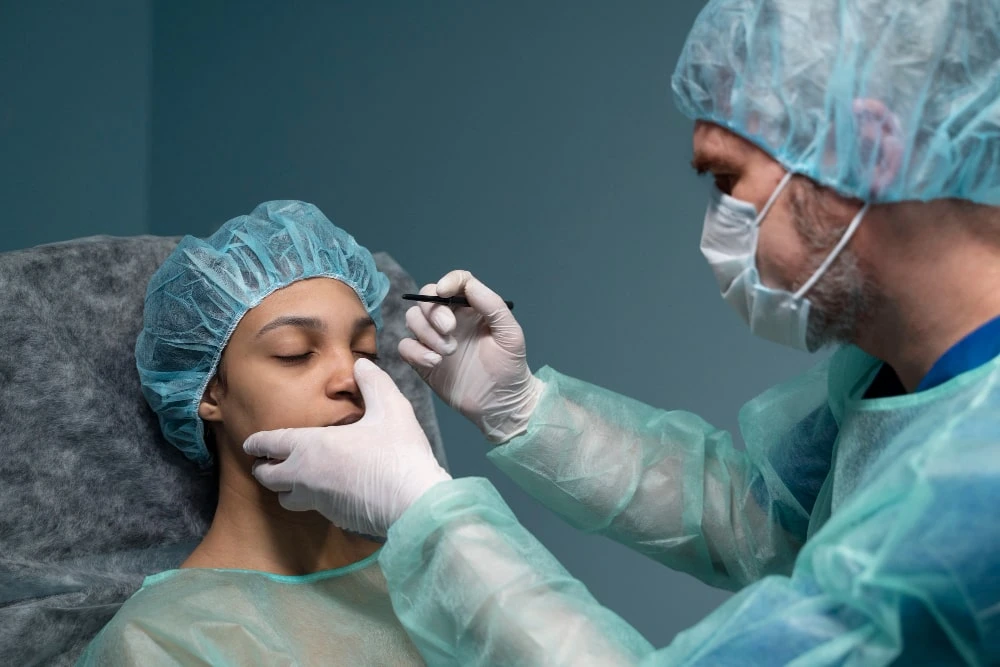

Our eyelids do more than just blink—they protect our eyes, regulate moisture, and help filter out dust and bright light. Your vision may be affected in addition to your comfort when there is an issue with your eyelids. From mild irritation to more serious conditions, eyelid issues are fairly common and should be addressed promptly.
1. What Are Eyelid Issues?
Eyelid problems refer to any condition that affects the appearance, function, or health of the upper or lower eyelid. These can be caused by infections, inflammation, muscle weakness, skin disorders, or trauma. While many are minor, some may require medical intervention, especially if they affect vision or eye health.
2. Common Eyelid Conditions
a. Blepharitis
This is one of the most common eyelid issues, involving inflammation of the eyelid margins. It can be caused by bacteria, skin conditions like dandruff, or clogged oil glands.
Symptoms:
- Redness
- Itching or burning
- Crusting on the lashes
- Dry or watery eyes
Treatment:
Eyelid washes, warm compresses, and even antibiotic ointments.
b. Chalazion & Stye
A chalazion is a painless lump caused by a blocked oil gland, while a stye is an infected gland that appears red and swollen near the lash line.
Symptoms:
- Swelling or tenderness
- Localized pain (in styes)
- Light sensitivity
Treatment:
Most resolve with warm compresses. In rare cases, minor surgery may be needed.
c. Ptosis (Drooping Eyelid)
When the muscles that raise the eyelid deteriorate or weaken, ptosis results. It may be inherited or developed as a result of trauma, ageing, or nerve injury.
Symptoms:
- One or both eyelids drooping
- Obstructed vision
- Fatigue in the forehead from trying to lift the eyelid
Treatment:
Mild cases may not need treatment. Severe cases may require corrective surgery.
d. Entropion & Ectropion
- Entropion: The lashes rub against the eye when the eyelid moves inward.
- Ectropion: The inner surface is revealed as the eyelid moves outward.
Symptoms:
- Eye irritation
- Redness or tearing
- Sensitivity to light
Treatment:
Lubricating drops, taping, or surgical correction.
e. Dermatochalasis (Excess Eyelid Skin)
Often seen in aging adults, this condition is caused by the loss of skin elasticity, resulting in saggy upper or lower lids.
Symptoms:
- Tired or heavy-looking eyes
- Obstructed vision
- Cosmetic concerns
Treatment:
Eyelid surgery, or blepharoplasty, can remove extra skin and restore function.
3. When to See a Specialist
Not all eyelid problems are emergencies, but seek medical advice if you experience:
- Persistent swelling
- Vision changes
- Eye pain or discharge
- Lumps that don't improve
Prompt diagnosis can guarantee appropriate treatment and avoid problems. Get oculoplasty treatment in Chennai from advanced eye hospital.
4. Eyelid Care Tips
- Always remove makeup before bed.
- Wash hands before touching your eyes.
- Use hypoallergenic eye products.
- Follow a proper cleaning routine if prone to blepharitis.
- Protect eyes from dust and strong sunlight.
Eyelid Conditions That Can Be Treated by Oculoplasty:
- Ptosis (Drooping Eyelid): Oculoplasty can lift and reposition the eyelid to restore proper vision and appearance.
- Entropion & Ectropion: These turning-in or turning-out of eyelids can be corrected surgically through oculoplasty for comfort and eye protection.
- Chalazion (Recurrent or Large): If a chalazion doesn't respond to conservative treatment, a minor oculoplastic procedure can drain or remove it.
- Dermatochalasis (Excess Eyelid Skin): Oculoplastic surgery like blepharoplasty removes saggy skin for both functional and aesthetic benefits.
- Eyelid Tumours or Growths: These can be safely removed with reconstructive oculoplastic surgery.
- Trauma or Eyelid Deformities: Oculoplasty can restore both function and appearance after injury or congenital abnormalities.
When Is Oculoplasty Recommended?
- When eyelid issues affect vision, eye comfort, or appearance
- If conservative treatments fail (like warm compresses, drops, or ointments)
- For cosmetic improvements alongside medical correction
Conclusion
Eyelid issues may seem minor but can indicate or lead to more serious eye health concerns if left untreated. With proper care and timely medical attention, most conditions can be managed effectively. If you're experiencing any unusual symptoms or discomfort, don’t hesitate to consult an eye specialist for a thorough evaluation.
Sign in to leave a comment.