Our bodies are amazing machines made up of millions of moving parts, and one of the key players in keeping everything running smoothly is an enzyme called creatine phosphokinase. Also known as CPK, this enzyme lives mostly in your muscles—skeletal muscles, heart muscles, and even your brain. While most of us go about our day without ever thinking about enzymes, your doctor might order a test to measure blood creatine phosphokinase levels if you’re feeling unusually weak, experiencing muscle pain, or showing signs of heart damage.
So, what exactly is creatine phosphokinase, and why does it matter?
What is Creatine Phosphokinase?
Creatine phosphokinase is an enzyme that helps your body manage energy. Think of it like a tiny worker in your cells, helping to recharge and store energy so that muscles can do their job—whether that's lifting groceries, climbing stairs, or even just beating your heart.
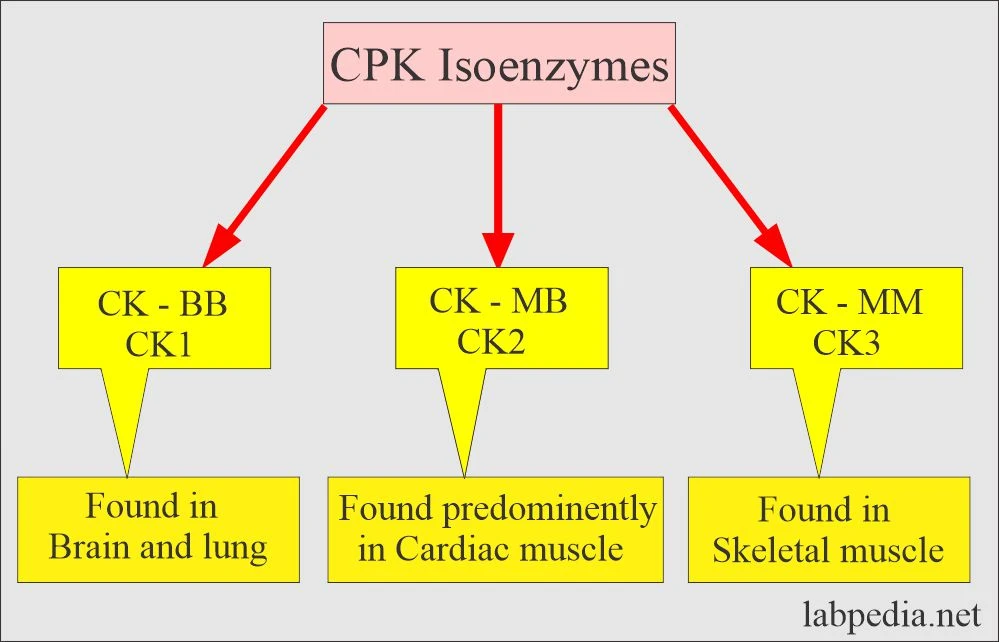
There are three types of creatine phosphokinase:
- CPK-1 (Brain): Found mostly in the brain and lungs.
- CPK-2 (Heart): Mostly in the heart muscles.
- CPK-3 (Skeletal): Primarily found in skeletal muscles.
When your doctor checks blood creatine phosphokinase levels, they’re often trying to determine if there's been damage to one of these muscle types.
Why Is Blood Creatine Phosphokinase Tested?
When muscles are damaged—whether due to an intense workout, injury, heart attack, or certain diseases—creatine phosphokinase leaks into the bloodstream. This causes a spike in blood creatine phosphokinase levels, which can serve as a red flag for health professionals.
Some common reasons to test for blood creatine phosphokinase include:
- Heart attacks: A sudden rise in CPK-2 can indicate cardiac muscle damage.
- Muscle disorders: Conditions like muscular dystrophy or rhabdomyolysis show elevated CPK-3.
- Seizures or strokes: High CPK-1 may be seen with brain injury.
- Side effects from medications: Some drugs, especially statins, can damage muscles and increase blood creatine phosphokinase.
What Do the Results Mean?
Normal levels of blood creatine phosphokinase vary based on age, gender, and physical activity. But generally, if the levels are high, it suggests that some type of muscle tissue has been damaged.
Here’s a simplified breakdown:
- Mild elevation: May be due to strenuous exercise or minor muscle strain.
- Moderate to high elevation: Could point to muscle diseases, inflammation, or heart issues.
- Very high levels: This is often a sign of a serious muscle breakdown (like rhabdomyolysis), which needs urgent treatment.
It’s important to understand that a high blood creatine phosphokinase level doesn’t always mean something critical. For example, athletes may naturally have slightly elevated levels because of regular muscle use and repair.
How to Keep Your Creatine Phosphokinase Levels Healthy
While we can’t control every factor that affects creatine phosphokinase, there are steps you can take to maintain muscle health:
- Stay hydrated: Especially during workouts.
- Exercise wisely: Avoid overtraining and give your body time to recover.
- Listen to your body: Don’t ignore unexplained muscle pain or fatigue.
- Follow up on test results: If your blood creatine phosphokinase levels are abnormal, work closely with your healthcare provider to determine the next steps.
Final Thoughts
Even though it might sound like a mouthful, creatine phosphokinase is a crucial part of your body's energy and muscle system. Measuring blood creatine phosphokinase levels helps uncover hidden issues, especially when it comes to your heart and muscles. So the next time your doctor mentions CPK, you’ll know it’s not just a random test—it’s a peek into your body’s inner workings.
Keeping your muscles healthy, staying active, and seeking medical advice when something feels off can go a long way in keeping creatine phosphokinase levels where they should be. After all, a little awareness can make a big difference in how we care for our bodies from the inside out.






























Sign in to leave a comment.