

Digital assets can be understood as representations of value or rights that exist on a blockchain or distributed ledger. The most common categories you’ll encounter are coins, tokens, and stablecoins, but each umbrella contains a range of subtypes with different purposes, technologies, and risk profiles. The distinctions often matter for how these assets are used, how they’re governed, and how they interact with other parts of the ecosystem, including wallets, exchanges, and smart contracts. More about it: https://azbigmedia.com/blogs/understanding-crypto-coins-a-beginners-guide-to-digital-asset-classification/
Coins versus tokens: clarifying the basics
A practical starting point is to differentiate between coins and tokens. In many conversations, these terms are used interchangeably, but they describe different constructs.
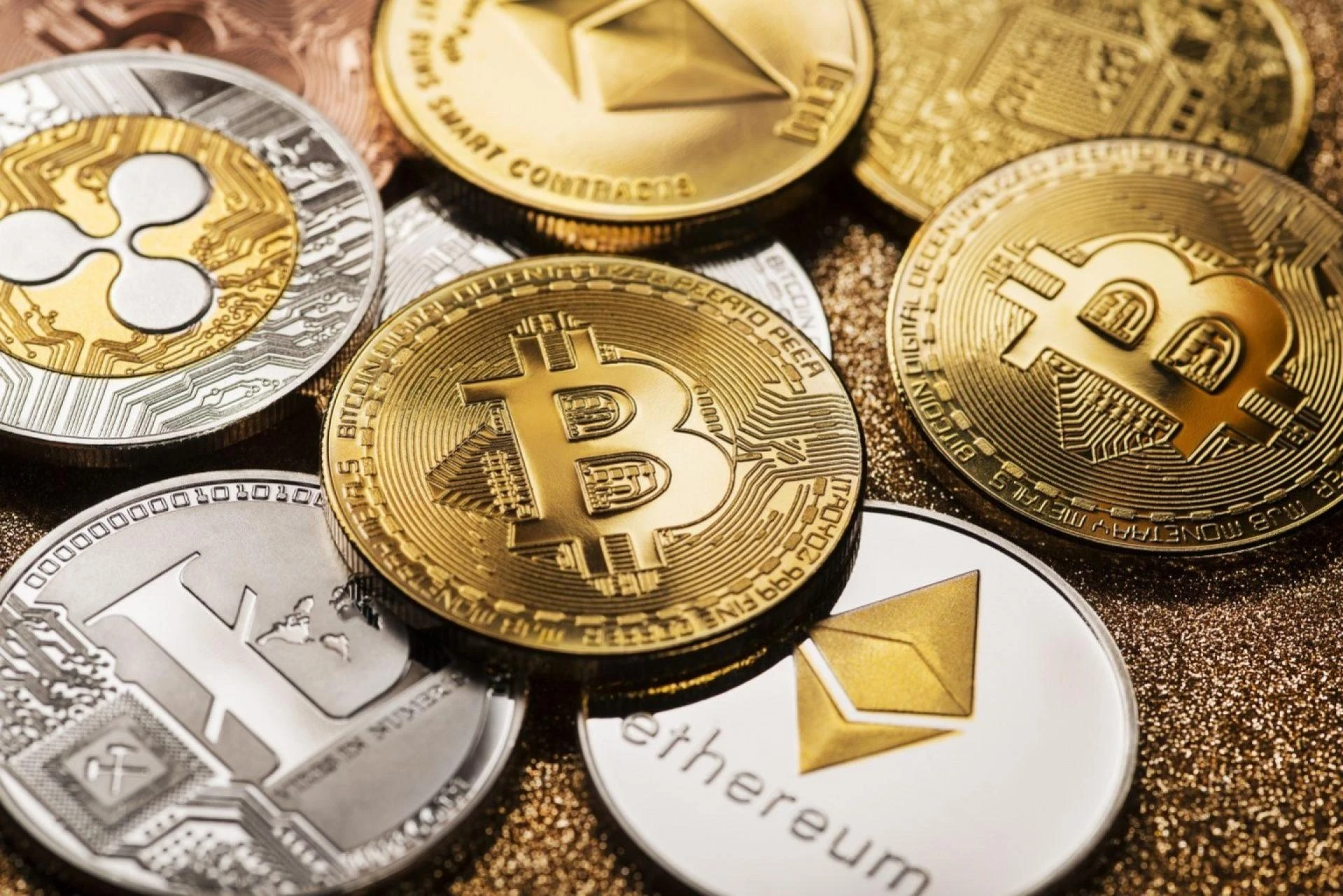
- Coins: A coin typically refers to a native currency of a blockchain. The most familiar example is Bitcoin (BTC), which operates on its own network and has its own protocol, consensus mechanism, and blockchain. Other prominent coins include Ethereum (ETH), which powers the Ethereum network. Coins generally serve as a medium of exchange, a unit of account, and a store of value within their respective ecosystems. They often play a role in securing the network (e.g., through staking in proof-of-stake systems) and paying for computational services or transaction fees on their networks.
- Tokens: A token, on the other hand, is a digital asset built on top of an existing blockchain. Tokens do not have their own separate blockchain; instead, they leverage the infrastructure of another blockchain that supports smart contracts, such as Ethereum, Binance Smart Chain, Solana, or others. Tokens can represent a wide range of assets or rights, including decentralized finance (DeFi) instruments, governance rights, collectibles, or utility in a specific ecosystem. They are usually created through standardized token interfaces like ERC-20 (fungible tokens), ERC-721 (non-fungible tokens, or NFTs), and RGB or other protocols on different blockchains.
Stablecoins and the broader landscape
Within the broader category of tokens, stablecoins deserve special attention because they are designed to maintain a stable value relative to a reference asset, typically a fiat currency like the U.S. dollar. Stablecoins can be broadly categorized by their mechanism:
- Fiat-collateralized stablecoins: These hold reserves of fiat currency or other liquid assets at a 1:1 ratio with the stablecoin in circulation. Examples include Tether (USDT) and USD Coin (USDC). The idea is simple: each token issued is backed by a corresponding amount of reserves, though the transparency and audit practices of reserves can vary.
- Crypto-collateralized stablecoins: These are collateralized by other cryptocurrencies, often over-collateralized to absorb price volatility. MakerDAO’s DAI is a prominent example. Users lock up crypto as collateral and mint stablecoins pegged to the target value. If the collateral’s price falls, automated mechanisms trigger liquidation to maintain stability.
- Algorithmic stablecoins: These aim to maintain price stability through algorithmic supply adjustments rather than explicit collateral. The protocol increases or decreases supply in response to price deviations from the target peg. The stability of algorithmic stablecoins can be more sensitive to market conditions and programmatic incentives.
- Asset-backed stablecoins: Some projects back stablecoins with baskets of assets, including traditional currencies, commodities, or other real-world assets. The exact composition and governance can vary.
Token utility, governance, and economics
Understanding why a token exists helps in evaluating its potential use cases and risks. Tokens can serve multiple roles:
- Payment or utility tokens: These provide access to a product or service within a platform. Examples include tokens that unlock features, pay for transaction fees, or grant access to premium capabilities.
- Governance tokens: These confer voting rights in a decentralized protocol. Holders can influence decisions such as parameter changes, fund allocation, and roadmap priorities. Governance tokens introduce a community-driven dimension to platform development.
- Staking and security tokens: Some networks use token staking as a mechanism to secure the network. Validators lock up tokens to participate in consensus, earn rewards, and align incentives with network health. This introduces additional risk and opportunity for token holders.
- Yield-bearing and DeFi tokens: In decentralized finance, tokens can represent positions in liquidity pools, lending markets, or derivative protocols. These tokens expose holders to earning potential as well as smart contract risk, impermanent loss, and other DeFi-specific risks.
- Non-fungible tokens (NFTs): NFTs represent unique digital or tokenized real-world assets. They’re typically issued on smart contract platforms and are not interchangeable on a one-to-one basis. NFT use cases span digital art, collectibles, virtual real estate, gaming items, and certification of ownership.
Smart contracts and ecosystem roles
Most coins and tokens rely on smart contracts to automate, enforce, and execute rules without intermediaries. A smart contract is a self-executing program that runs on a blockchain, carrying out predefined actions when certain conditions are met. This technology enables programmable money, decentralized autonomous organizations (DAOs), and complex financial instruments that operate without centralized control.
When evaluating a digital asset, consider the following ecosystem aspects:
- Blockchain platform: The underlying blockchain determines the asset’s technical capabilities, scalability, security, and ecosystem maturity. Common platforms include Ethereum, Solana, Binance Smart Chain, Polygon, and others. Each has its own strengths, tradeoffs, and developer communities.
- Token standard and compatibility: On platforms like Ethereum, token standards (for example, ERC-20 for fungible tokens or ERC-721 for NFTs) define how tokens interact with wallets, exchanges, and smart contracts. Compatibility with wallets and infrastructure can influence liquidity and usability.
- Governance and transparency: How decisions are made, how updates are proposed, and how funds are managed matter for long-term viability. Some projects adopt formal governance processes with on-chain voting, while others rely on centralized teams or foundations.
- Security and audits: Reputable projects undergo security assessments, bug bounties, and code audits. The presence or absence of independent audits, formal verification, and past security incidents can materially affect risk.
- Liquidity and market infrastructure: The ability to buy, sell, and trade assets across exchanges affects accessibility and price discovery. Liquidity depth, spread, and the presence of centralized or decentralized exchanges influence trading experience.
- Economic design and incentives: Token supply mechanisms, emission schedules, burn rates, and reward structures shape price dynamics and user behavior. A well-considered economic design can support long-term sustainability, while poorly designed incentives may lead to misalignment and volatility.
Risks and due diligence for beginners
As a beginner, it’s essential to approach digital assets with a balanced view of potential upside and risk. Here are practical considerations:
- Do not invest money you cannot afford to lose. The crypto landscape can be highly volatile, and price movements can be rapid and unpredictable.
- Diversify carefully. Rather than chasing the latest hype, consider a diversified approach that aligns with your risk tolerance and investment goals.
- Evaluate fundamentals. Look for clear use cases, a credible team, transparent governance, and real-world traction. Check project documentation, audits, and community activity.
- Understand smart contract risk. Smart contracts can have vulnerabilities, bugs, and uptime considerations. Assess the security track record and the presence of bug bounty programs.
- Examine liquidity and custodianship. Ensure you can access liquid markets and understand how your assets are stored, whether in self-custody wallets or custodial services.
- Stay informed about regulatory developments. Regulatory environments can impact how assets are classified and traded in different jurisdictions.
- Practice safe storage. Use reputable wallets, enable multi-factor authentication, and consider hardware wallets for larger holdings. Be mindful of phishing and scam schemes.
Getting started: practical steps
If you’re new to crypto and want to begin exploring digital assets responsibly, here are actionable steps:
- Learn the basics of blockchain technology, wallets, and private keys. Understand how to create and secure a wallet, and the importance of seed phrases.
- Pick a few well-established coins and a couple of representative tokens to study. Start with widely used platforms to gain hands-on familiarity with wallet integration and basic trading steps.
- Experiment on test networks or with small, non-critical amounts to learn how transactions work without significant risk.
- Read whitepapers, protocol documentation, and governance forums to grasp the intended use cases and roadmaps of the assets you’re studying.
- Use reputable data sources and benchmarks for market data, developer activity, and security incidents. Cross-check information to form a well-rounded view.
- Consider a framework for evaluation. A simple approach is to assess a project’s problem statement, solution, team and governance, token economics, security posture, and user adoption.
In summary, digital asset classification helps beginners navigate a complex field by distinguishing coins from tokens, recognizing the special role of stablecoins, and understanding how smart contracts and ecosystems shape value. By focusing on use cases, technology, governance, and risk factors, you can build a solid foundation for informed exploration and responsible participation in the world of crypto. If you’d like, I can tailor this guide to your specific interests, such as DeFi, NFTs, or cross-chain assets, and provide a curated starter list with concise summaries.




Sign in to leave a comment.