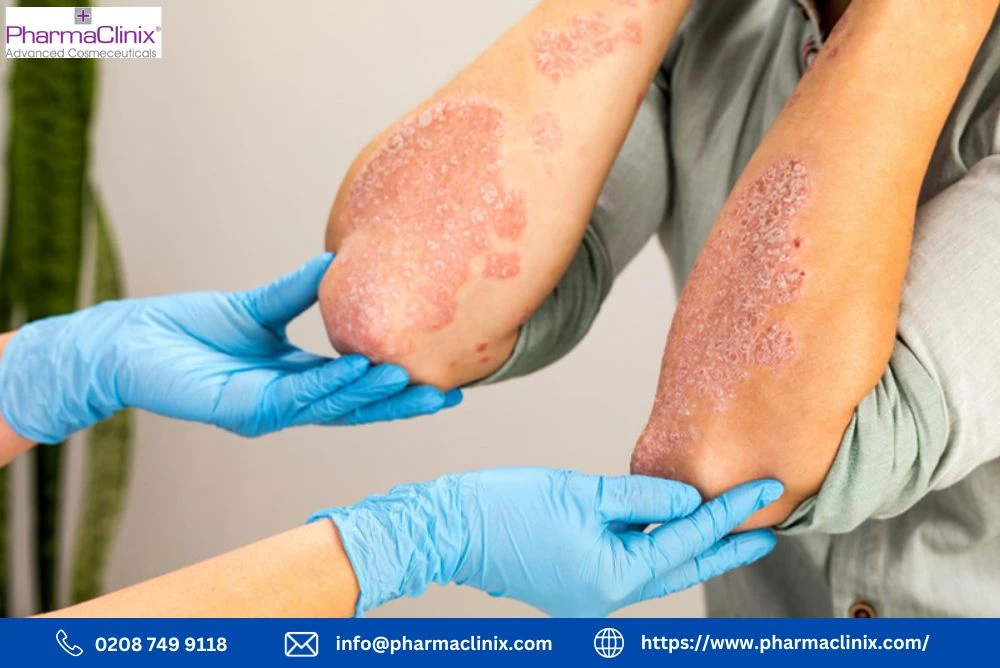

Eczema, a common skin condition, can affect individuals of any age, but it\'s particularly distressing when it leads to darkened skin. Understanding the causes, symptoms, and available treatments is essential to manage and mitigate this condition effectively. In this article, we\'ll delve into the intricacies of dark skin from eczema, providing insights, and practical advice for those affected. Let\'s begin our journey of understanding this skin condition and how it can impact your life.
What is Eczema?
Eczema, also known as atopic dermatitis, is a chronic condition characterized by red, itchy, and inflamed skin. This condition affects people of all ages, but it\'s most commonly seen in children. The exact cause of eczema is unknown, but it\'s believed to involve an overactive response by the body\'s immune system to an irritant or allergen. Eczema often occurs in individuals with a family history of allergic conditions such as asthma or hay fever.
Types of Eczema
Atopic Dermatitis: This is the most common form of eczema. It typically begins in infancy and often occurs in people who have a family history of asthma and allergies.
Contact Dermatitis: This type of eczema occurs when the skin comes into contact with a substance that causes an allergic reaction or irritates the skin.
Dyshidrotic Eczema: Dyshidrotic eczema causes small, itchy blisters to form on the hands and feet. The blisters are often triggered by stress or exposure to certain metals.
Nummular Eczema: This type of eczema causes round, coin-shaped spots to form on the skin. It is often triggered by dry skin, injury to the skin, or an allergic reaction.
Seborrheic Dermatitis: Seborrheic dermatitis causes a red, itchy rash to form on areas of the skin that are rich in oil glands, such as the scalp, face, and chest.
What Causes Dark Skin from Eczema?
Dark skin resulting from eczema, also known as post-inflammatory hyperpigmentation, occurs due to an overproduction of melanin in response to inflammation or injury. When eczema flares up, the skin becomes inflamed, triggering the overproduction of melanin, which leads to the darkening of the affected area. Several factors contribute to the development of dark skin from eczema, including:
- Inflammation: Eczema causes inflammation in the skin, leading to an increase in melanin production.
- Scratching: Persistent scratching of eczema-affected areas worsens inflammation, leading to increased pigmentation.
- Skin Trauma: Continuous scratching or rubbing damages the skin, making it more prone to pigmentation changes.
- Genetic Predisposition: Some individuals are genetically predisposed to developing post-inflammatory hyperpigmentation.
Symptoms of Dark Skin Resulting from Eczema
When eczema leads to darkened skin, the affected area may exhibit the following symptoms:
- Hyperpigmentation: The skin becomes darker than the surrounding areas.
- Itchiness: The affected area may be itchy, leading to further scratching and worsening the condition.
- Inflammation: The skin may appear red, swollen, and inflamed.
- Rough Texture: The skin may feel rough or bumpy to the touch.
- Increased Sensitivity: Darkened skin may be more sensitive to certain products or environmental factors.
Diagnosis and Medical Assistance
If you suspect you have dark skin resulting from eczema, it is essential to seek medical advice. A dermatologist can provide a proper diagnosis and recommend an appropriate treatment plan. During the diagnosis, the dermatologist may:
- Review Medical History: The dermatologist will ask about your medical history, including any family history of eczema or other allergic conditions.
- Physical Examination: A thorough physical examination of the affected area will be conducted.
- Skin Biopsy: In some cases, a skin biopsy may be performed to rule out other skin conditions.
Effective Treatment Options
Treating dark skin resulting from eczema involves managing both the eczema flare-ups and the hyperpigmentation. Here are some effective treatment options:
- Topical Corticosteroids: These are often prescribed to reduce inflammation during eczema flare-ups.
- Topical Retinoids: Retinoids can help to lighten dark spots and even out skin tone.
- Moisturizers: Regular use of moisturizers can help to keep the skin hydrated and prevent dryness, reducing the risk of eczema flare-ups.
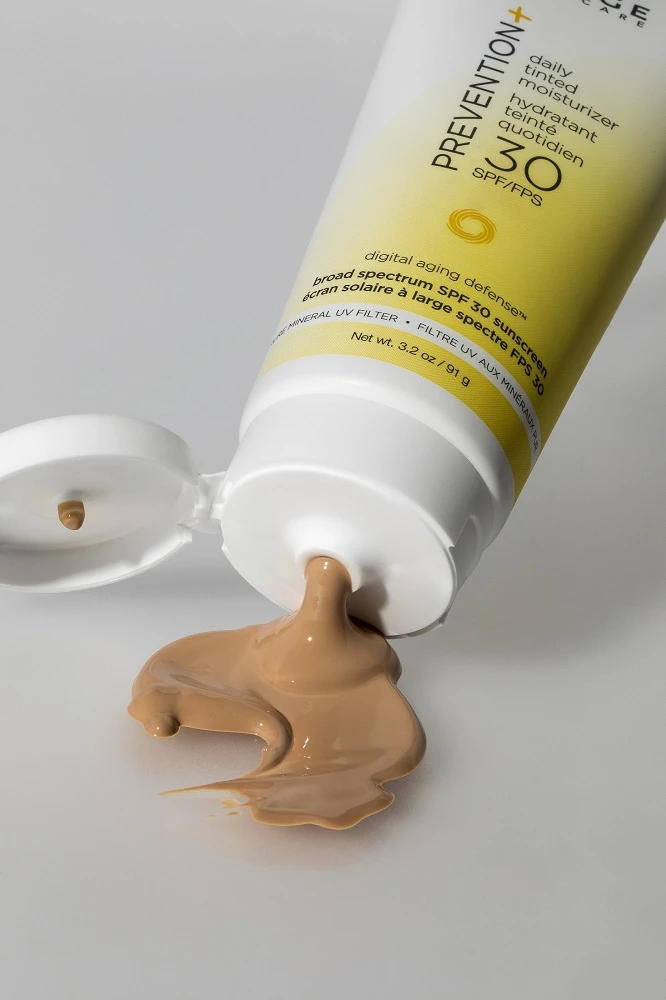
- Sun Protection: Protecting the skin from the sun\'s harmful UV rays can help to prevent further darkening of the skin.
- Chemical Peels: In some cases, chemical peels may be recommended to lighten dark spots.
Home Remedies and Lifestyle Adjustments
In addition to medical treatment, several home remedies and lifestyle adjustments can help manage dark skin resulting from eczema:
- Gentle Cleansing: Use gentle, fragrance-free cleansers to clean the affected area.
- Avoid Scratching: Try to avoid scratching the affected area, as this can worsen inflammation and pigmentation.
- Hydration: Drink plenty of water to keep the skin hydrated from the inside out.
- Healthy Diet: A diet rich in fruits, vegetables, and omega-3 fatty acids can help to support overall skin health.
- Stress Management: Practice stress-reduction techniques such as yoga or meditation to help prevent eczema flare-ups.
Prevention Strategies
While it may not be possible to prevent eczema entirely, there are several strategies that can help reduce the risk of developing dark skin resulting from eczema:
- Avoid Triggers: Identify and avoid triggers that may cause eczema flare-ups.
- Moisturize Regularly: Keeping the skin well moisturized can help to prevent dryness and reduce the risk of flare-ups.
- Wear Sunscreen: Protect the skin from the sun\'s harmful UV rays by wearing sunscreen daily.
- Manage Stress: Practice stress-reduction techniques to help prevent eczema flare-ups.
- Consult a Dermatologist: Regular check-ups with a dermatologist can help to monitor and manage eczema effectively.
Psychological Impact of Dark Skin from Eczema
Dark skin resulting from eczema can have a significant psychological impact on individuals, affecting their self-esteem and overall quality of life. It\'s essential to address the psychological aspects of this condition:
- Low Self-Esteem: Darkened skin may lead to feelings of self-consciousness and low self-esteem.
- Social Withdrawal: Individuals may withdraw from social situations due to embarrassment about their appearance.
- Depression and Anxiety: The psychological impact of dark skin resulting from eczema can lead to depression and anxiety in some individuals.
- Seeking Support: It\'s essential to seek support from friends, family, or a mental health professional to cope with the psychological impact of this condition.
FAQs about Dark Skin from Eczema
Q: Can eczema cause dark skin?
A: Yes, eczema can cause dark skin, a condition known as post-inflammatory hyperpigmentation. When eczema flares up, the skin becomes inflamed, leading to an overproduction of melanin, which causes the skin to darken.
Q: How can I lighten dark skin from eczema?
A: Several treatments can help lighten dark skin resulting from eczema, including topical corticosteroids, topical retinoids, moisturizers, sun protection, and chemical peels. Consult a dermatologist to determine the best treatment plan for your specific condition.
Q: Is dark skin from eczema permanent?
A: Dark skin resulting from eczema is not necessarily permanent. With the right treatment and care, the skin can gradually return to its normal color over time.
Q: Can stress make eczema worse?
A: Yes, stress can trigger eczema flare-ups and worsen existing symptoms, including dark skin resulting from eczema. Practice stress-reduction techniques such as yoga or meditation to help prevent flare-ups.
Q: How can I prevent dark skin resulting from eczema?
A: To prevent dark skin resulting from eczema, it\'s essential to identify and avoid triggers, keep the skin well moisturized, wear sunscreen daily, and manage stress effectively. Regular check-ups with a dermatologist can also help to monitor and manage eczema effectively.
Conclusion
In conclusion, dark skin from eczema, also known as post-inflammatory hyperpigmentation, can be distressing, but it\'s essential to remember that effective treatments are available. By understanding the causes, symptoms, and available treatment options, individuals can manage this condition effectively and improve their quality of life.







Sign in to leave a comment.