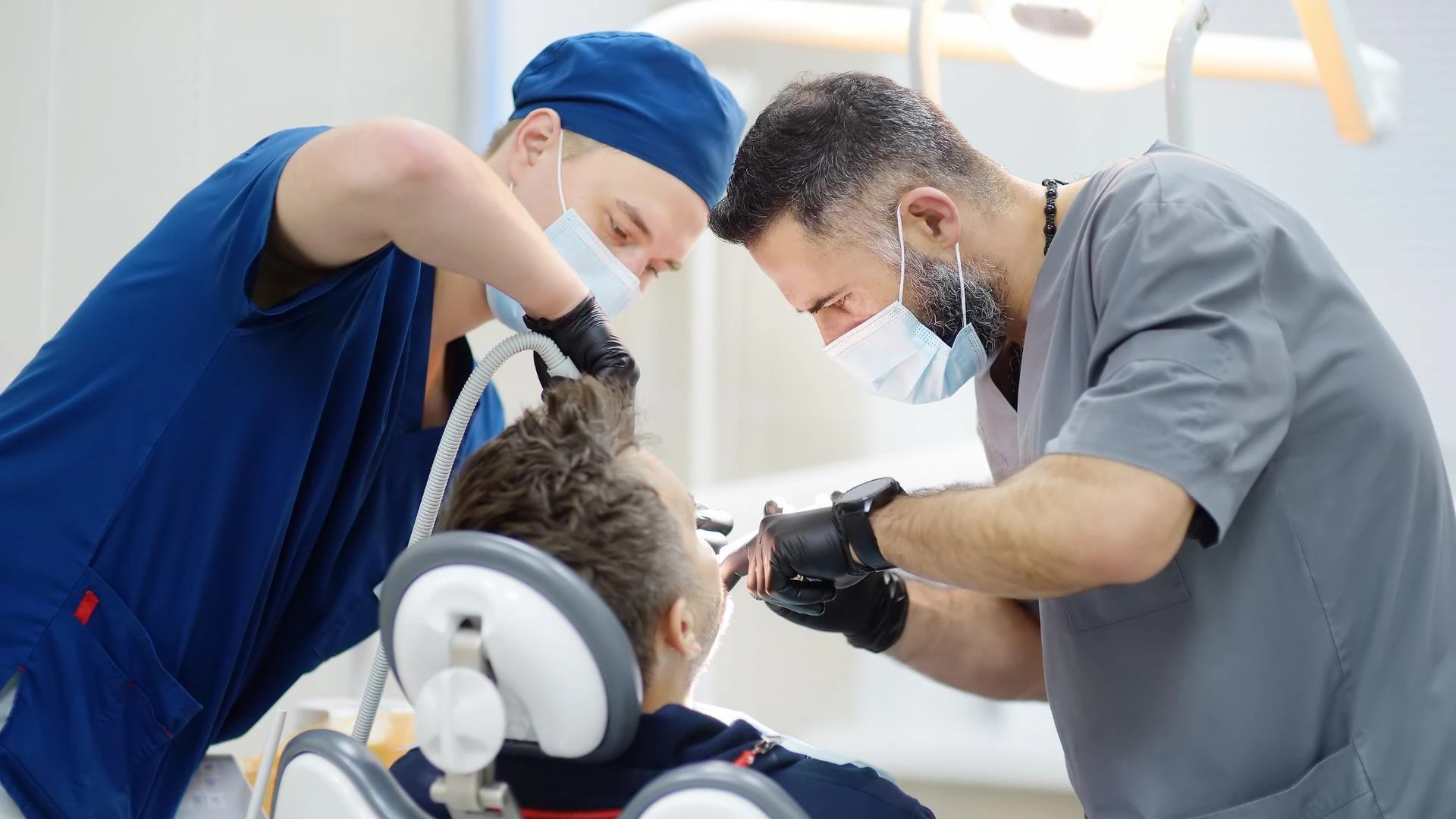

Dental implants have revolutionized the field of dentistry, offering a permanent solution for those who have lost teeth due to injury, decay, or other reasons. This comprehensive guide will help you understand the benefits of dental implants, the process involved, and the crucial post-procedure care needed to ensure their success. For those searching for the best dentists in Manhattan Beach, this guide will also provide some insights into what to look for when choosing a dental professional for your implant needs.
Benefits of Dental Implants
Dental implants offer numerous benefits that make them an attractive option for many patients.
Improved Appearance and Confidence
One of the most significant advantages of dental implants is the improvement in appearance. Unlike dentures, which can look artificial and may not fit well, dental implants are designed to look and feel like your natural teeth. This can significantly boost your confidence and self-esteem, allowing you to smile, speak, and eat without worrying about how your teeth look.
Enhanced Oral Health
Dental implants do not require altering adjacent teeth, as is the case with bridges. This means more of your natural teeth are left intact, improving long-term oral health. Moreover, individual implants allow easier access between teeth, promoting better oral hygiene.
Durability and Convenience
Dental implants are incredibly durable and, with proper care, can last a lifetime. They eliminate the inconvenience of removing dentures, the need for messy adhesives, and the potential embarrassment of dentures slipping out of place. This makes implants a more convenient and reliable solution for tooth replacement.
Better Functionality
Implants function like natural teeth, providing a strong and stable bite force. This means you can enjoy your favorite foods without restriction and speak more clearly than you might with dentures. The stability of implants also helps in maintaining the shape of your face, preventing the sunken look that often accompanies tooth loss.
The Dental Implant Process
Understanding the dental implant process can help alleviate any anxieties you may have and prepare you for what to expect.
Initial Consultation
The journey begins with an initial consultation with your dentist. During this visit, your dentist will evaluate your oral health, take X-rays, and discuss your medical history to determine if you are a good candidate for dental implants. This is also a great time to ask any questions you may have and to discuss your expectations and goals.
Treatment Planning
If you are deemed a suitable candidate, your dentist will develop a customized treatment plan tailored to your specific needs. This plan will outline the steps involved in the procedure, the timeline, and the costs. It\'s essential to choose a dentist with experience in dental implants, and for those in California, searching for the best dentists in Manhattan Beach can ensure you receive top-notch care.
Surgical Procedure
The dental implant surgery typically involves several stages:
Tooth Extraction
If you have a damaged tooth that needs to be replaced, it will be extracted. In some cases, the implant can be placed immediately after extraction.
Implant Placement
The next step is the placement of the titanium implant into your jawbone. This serves as the artificial root for the new tooth. The procedure is usually done under local anesthesia, and you may be given sedation if you feel anxious.
Osseointegration
After the implant is placed, a process called osseointegration occurs. This involves the implant fusing with the jawbone, creating a stable foundation for the artificial tooth. This process can take several months, during which you may have a temporary crown placed.
Abutment Placement
Once osseointegration is complete, an abutment is attached to the implant. This serves as the connector between the implant and the artificial tooth. In some cases, this step is done during the initial implant placement.
Crown Placement
Finally, a custom-made crown is attached to the abutment. The crown is designed to match your natural teeth in color, shape, and size, ensuring a seamless appearance.
Post-Procedure Care
Proper post-procedure care is crucial for the success and longevity of your dental implants. Here are some essential tips to follow:
Immediate Aftercare
After the surgery, it\'s normal to experience some swelling, discomfort, and minor bleeding. Your dentist will provide you with specific instructions, including:
- Pain Management: Over-the-counter pain relievers or prescribed medications can help manage discomfort.
- Swelling Reduction: Applying an ice pack to the affected area can help reduce swelling.
- Dietary Restrictions: Stick to soft foods for the first few days and avoid hot beverages.
Long-Term Care
To ensure the longevity of your dental implants, adhere to the following care practices:
Oral Hygiene
Maintaining excellent oral hygiene is paramount. Brush your teeth at least twice a day and floss daily to remove plaque and prevent infections. Special interdental brushes can help clean around the implant area more effectively.
Regular Dental Visits
Regular check-ups with your dentist are essential. Your dentist will monitor the condition of your implants, clean around them, and ensure that your gums and surrounding teeth remain healthy.
Avoiding Harmful Habits
Certain habits can jeopardize the success of your dental implants. Avoid smoking, as it can impede healing and increase the risk of implant failure. Additionally, refrain from using your teeth to open packages or bite on hard objects, as this can damage the implants.
Dietary Considerations: Why No Dairy After Dental Implant?
One crucial post-procedure care instruction often given by dentists is to avoid dairy products immediately after the implant surgery. The reason for this is that dairy can promote bacterial growth, which may lead to infections at the surgical site. Dairy products can also cause nausea when combined with the antibiotics that are commonly prescribed after dental surgery. Therefore, it\'s best to avoid dairy for at least a few days following your implant procedure. This is why no dairy after dental implant surgery is a common recommendation.
Conclusion
Dental implants are an excellent solution for those seeking a permanent and natural-looking replacement for missing teeth. They offer numerous benefits, from improved appearance and functionality to enhanced oral health. Understanding the implant process and following proper post-procedure care can ensure the success and longevity of your dental implants. If you\'re considering this option, consulting with the best dentists in Manhattan Beach can help you achieve the best possible outcome.
FAQs
1. Are dental implants painful?
The implant procedure itself is performed under local anesthesia, so you should not feel pain during the surgery. Some discomfort and swelling are normal after the procedure, but this can be managed with pain relievers and typically subsides within a few days.
2. How long do dental implants last?
With proper care and maintenance, dental implants can last a lifetime. Regular dental check-ups and good oral hygiene practices are essential to ensure their longevity.
3. What is the success rate of dental implants?
Dental implants have a high success rate, typically around 95-98%. Success can depend on factors such as the patient’s oral health, the quality of the bone, and adherence to post-procedure care instructions.
4. Can anyone get dental implants?
Most people are good candidates for dental implants. However, sufficient bone density in the jaw is required to support the implant. Your dentist will evaluate your oral health and medical history to determine if implants are right for you.
5. Why is it important to avoid smoking after getting dental implants?
Smoking can significantly hinder the healing process and increase the risk of implant failure. It can also lead to infections and other complications, affecting the overall success of the implant.











Sign in to leave a comment.