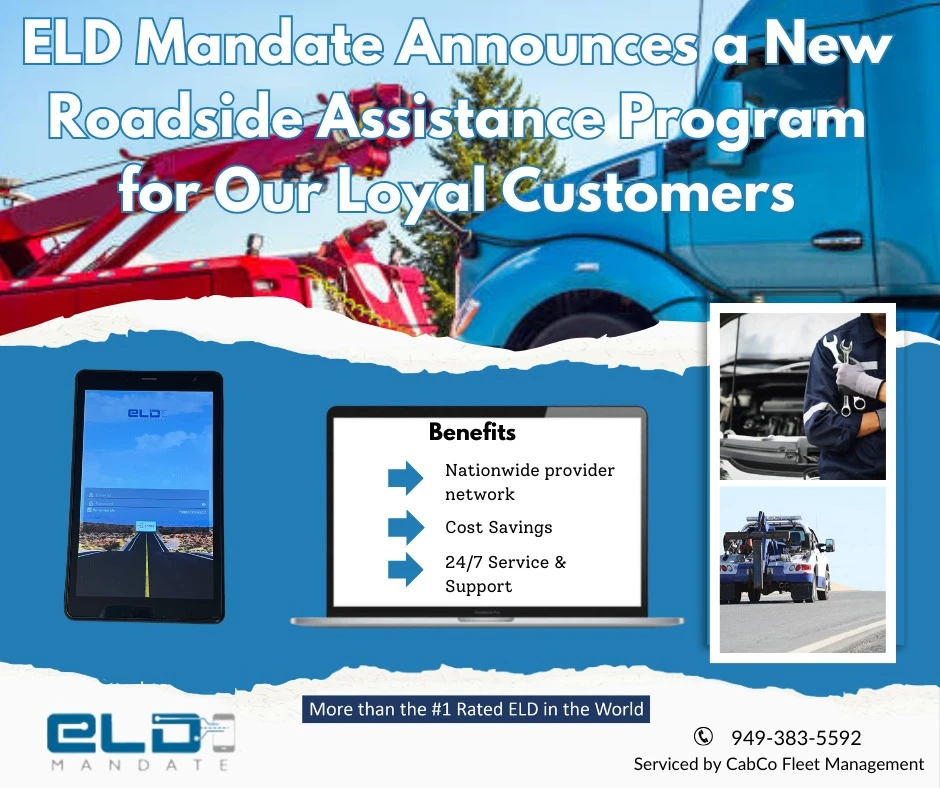

In 2014, a study by the Federal Motor Carrier Safety Administration (FMCSA) revealed that Electronic Logging Devices (ELDs) could potentially prevent over 1,700 crashes, 500 injuries, and 24 fatalities annually. These sobering statistics underscore the need for accurate tracking of a driver's hours of service (HOS) to enhance road safety. This article explores the exemptions to the ELD Mandate and the reasons behind its introduction.
What Is an ELD Device?
An Electronic Logging Device (ELD) is a digital system that monitors a commercial vehicle's engine and records its driving hours. The FMCSA mandates the installation of ELD devices in nearly all commercial vehicles crossing state lines to ensure precise HOS calculations. ELDs replace manual paper logs, saving drivers time and effort, although some argue that they impose rigid requirements.
Understanding Hours of Service (HOS):
The HOS rule, introduced in 1938, regulates commercial vehicle drivers' work hours to prevent overexploitation and reduce accidents caused by driver fatigue. Drowsy driving is a significant contributor to accidents, with thousands of fatalities and billions of dollars in economic losses each year.
ELD Mandate Requirements:
The FMCSA requires commercial drivers to use ELD devices, with exemptions for specific categories:
Trucks Manufactured Before 2000:
Trucks manufactured before 2000 often lack the necessary Engine Control Modules (ECMs) for ELD compatibility. The exemption applies based on the truck's model year, but an engine replacement may affect eligibility.
Drivers with RODS of 8 Days or Less:
Drivers with Records of Duty Status (RODS) spanning 8 days or less within a 30-day period are exempt. They must, however, maintain paper logs.
Driveaway-Towaway Operations:
When transporting an empty truck/tractor/trailer, an ELD is not required if the vehicle is part of the cargo or if the shipment is a motorhome or recreational vehicle trailer.
Short-Haul Exemptions:
a. 100 Air-Mile Radius: Drivers operating within a 100 air-mile radius from their reporting location and returning daily, with a 12-hour shift and 10 hours off-duty, are exempt.
b. 150 Air-Mile Radius: Non-commercial drivers operating vehicles under 8,000 pounds within a 150 air-mile radius of their reporting location, who return after each duty tour, are exempt.
Farmer's Vehicles:
Drivers transporting agricultural commodities within a 150 air-mile radius are exempt from HOS requirements and paper logs.
Additional Limited Exemptions:
Three additional exemptions were approved by the FMCSA, postponing ELD device requirements:
A. Trucks Rented for 8 Days or Less (until Oct 11, 2022):
Trucks rented for 8 days or less are exempt, but HOS rules still apply, and rental agreements must be kept on hand.
B. UPS Partial Exemption (until Oct 20, 2022):
UPS drivers can change duty status on ELD devices outside their vehicles, and special yard move options are allowed.
C. Motion Picture Association Truck Drivers (until Jan 19, 2023):
Commercial motor vehicle drivers involved in transporting goods for the Motion Picture Association of America can maintain paper records instead of using ELDs.
The Future of ELD Mandate Exemptions:
Trucks previously equipped with AOBRD devices were required to install ELD devices by December 16, 2019. While exemptions exist, having an ELD device can future-proof compliance. Some states also have specific ELD requirements, so staying informed is essential.
Conclusion:
ELD devices play a crucial role in improving road safety and regulating commercial drivers' work hours. Understanding exemptions and staying informed about evolving regulations is vital for both drivers and fleet owners to ensure compliance with the ELD Mandate.Visit US :- https://www.eldmandate.biz/























Sign in to leave a comment.