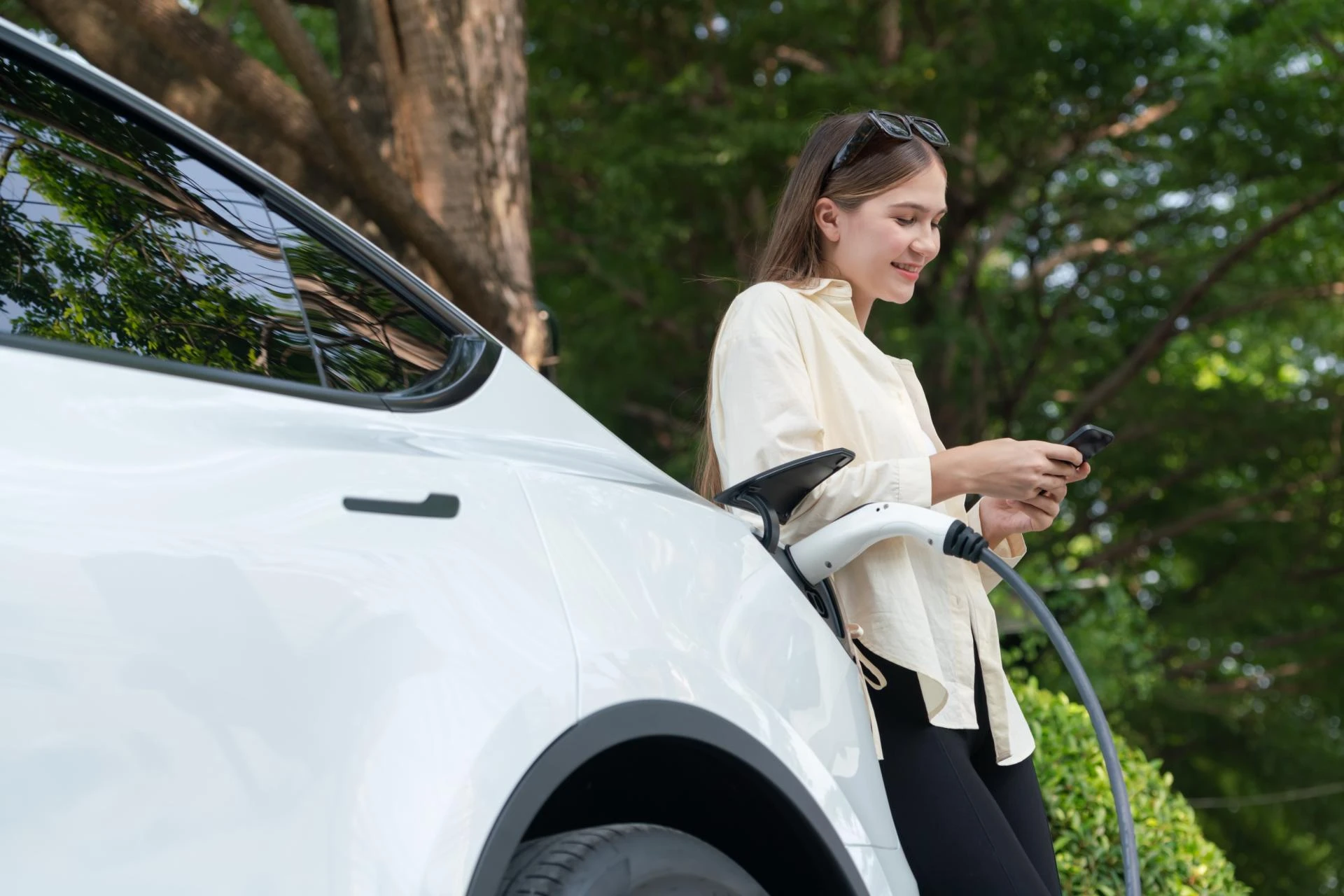

Installing EV charging infrastructure in Dubai represents a significant financial investment—whether for residential charging solutions or commercial charging networks. Like any major equipment purchase, understanding warranty coverage, service agreements, and long-term support options is essential for protecting your investment and ensuring reliable operation throughout the equipment's lifespan. However, the complexity of warranty terms, varying coverage levels, and diverse service options create confusion for many property owners and businesses. This comprehensive guide demystifies EV charging warranties and service agreements in the Dubai market, explaining what coverage to expect, identifying critical terms to evaluate, and providing strategies for maximizing protection and value from your EV charging solutions in Dubai.
Types of Warranty Coverage
EV charging installations involve multiple components, each potentially covered by different warranty terms from various parties.
Manufacturer Equipment Warranties: Charging equipment manufacturers provide warranties covering defects in materials and workmanship for specified periods. Standard manufacturer warranties for EV chargers in Dubai typically include two to three years comprehensive coverage protecting against component failures, electrical defects, housing and enclosure issues, and connector malfunctions, with three to five years for premium equipment from leading manufacturers.
These warranties protect against manufacturing defects but typically exclude damage from improper installation, environmental factors beyond equipment specifications, user misuse or vandalism, and unauthorized modifications or repairs. Manufacturer warranties generally require professional installation by certified contractors—DIY or unlicensed installations void coverage.
Installation Workmanship Warranties: Separate from equipment warranties, installation contractors provide workmanship warranties covering the quality of their installation labor. Reputable EV charger installers in Dubai like Eurosec offer workmanship warranties protecting against faulty electrical connections, improper mounting causing equipment failure, inadequate weatherproofing leading to moisture damage, and incorrect equipment configuration.
Workmanship warranty periods typically range from one to five years, with premium installers offering longer coverage demonstrating confidence in installation quality. These warranties prove critical because installation defects often don't manifest immediately but emerge months or years later as connections loosen or weatherproofing degrades.
Extended Warranty Options: Beyond standard coverage, manufacturers and installers offer extended warranties providing protection for longer periods—often five to ten years. Extended warranties typically cost 10-20% of equipment value but provide peace of mind and budget certainty for commercial operations where charging downtime directly impacts revenue or business operations.
Evaluate extended warranty cost versus projected equipment replacement expenses. For commercial EV charging stations in Dubai generating revenue, extended warranties often justify their cost by preventing expensive emergency repairs and ensuring operational continuity.
Comprehensive System Warranties: The most complete protection comes from unified warranties covering both equipment and installation under single coverage from providers handling complete installations. Eurosec's comprehensive warranty programs eliminate confusion about whether issues stem from equipment defects or installation problems by covering the complete system, simplify claims through single point of contact, and ensure coordinated resolution without disputes between equipment manufacturers and installers.
Critical Warranty Terms to Evaluate
Understanding warranty details beyond just coverage duration helps identify truly valuable protection versus limited coverage with numerous exclusions.
Repair vs. Replacement Coverage: Some warranties cover only repair costs, requiring you to pay shipping to repair facilities, wait weeks for repairs, and accept refurbished components. Superior warranties include equipment replacement if repairs aren't completed within specified timeframes (typically 7-14 days), on-site repair service eliminating shipping costs and delays, replacement with new equipment rather than refurbished units, and temporary equipment provision during repairs for critical commercial applications.
Labor Coverage: Equipment-only warranties require you to pay labor costs for removing failed equipment, installing replacement units, testing and commissioning, and related electrical work. Comprehensive warranties include all labor costs, eliminating unpredictable expenses when failures occur. For commercial installations, labor costs can exceed equipment costs, making labor-inclusive warranties especially valuable.
Response Time Guarantees: Time-sensitive operations require guaranteed service response. Evaluate warranty terms specifying maximum response times for service calls (premium warranties guarantee 24-48 hour response), repair completion timelines, interim solutions if repairs extend beyond promised periods, and penalty clauses if response commitments aren't met.
Coverage Limitations and Exclusions: Read warranty terms carefully identifying what's not covered. Common exclusions include acts of God (lightning, flooding, earthquakes), vandalism and theft, user modifications or repairs, installation by unauthorized personnel, and use outside specifications (voltage ranges, temperature extremes).
Some limitations are reasonable—no warranty covers deliberate damage. However, excessive limitations excluding common failure modes suggest inferior equipment or installer lacking confidence in their work.
Transferability: If you might sell your property before warranty expiration, transferable warranties add value. Some manufacturer warranties transfer to new owners automatically, others require notification and potential fees, and some are non-transferable, terminating upon property sale. For residential EV chargers in Dubai, transferable warranties enhance home value and appeal to buyers planning EV ownership.
Service Agreement Options
Beyond warranty coverage addressing defects, service agreements provide ongoing maintenance and support ensuring optimal performance.
Preventive Maintenance Agreements: Regular maintenance prevents problems before they cause failures. Professional maintenance programs from providers like Eurosec's EV charger service Dubai include quarterly or semi-annual inspections examining electrical connections, cleaning equipment and ventilation systems, testing safety features and ground fault protection, updating firmware to latest versions, and identifying wear items requiring replacement.
Preventive maintenance typically costs AED 300-800 annually per charging station for residential installations, and AED 600-1,500 for commercial equipment requiring more frequent service.
Full-Service Maintenance Plans: Comprehensive service agreements bundle preventive maintenance with repair coverage providing priority service response, unlimited service calls, parts and labor for repairs, emergency support availability, and regular performance reporting. Full-service plans cost more—typically AED 800-2,000 annually per station—but provide complete peace of mind and predictable budgeting.
For commercial operations where charging downtime impacts revenue or business continuity, full-service agreements prove cost-effective by minimizing downtime and preventing lost revenue.
Remote Monitoring Services: Modern smart EV chargers in Dubai enable remote monitoring identifying issues proactively. Monitoring services include 24/7 equipment status surveillance, automatic alerts for faults or performance degradation, predictive maintenance identifying components approaching failure, and usage analytics optimizing operations.
Cloud-based monitoring services typically cost AED 20-60 monthly per station but dramatically reduce unplanned downtime by identifying issues before complete failures occur.
Pay-Per-Service Models: Property owners preferring to pay only for actual service needed rather than ongoing agreements can utilize time-and-materials service. While offering lowest fixed costs, this approach involves unpredictable expenses when failures occur, longer response times without service contract priority, potentially higher hourly rates without contract pricing, and no preventive maintenance preventing failures.
For single residential home chargers, pay-per-service may be economical. For commercial installations with multiple stations, service agreements provide better value and operational reliability.
Warranty Registration and Activation
Many warranties require proper registration to activate full coverage. Neglecting registration can void protection.
Registration Requirements: After installation, register equipment through manufacturer websites providing equipment serial numbers and installation dates, installer information proving authorized installation, property owner contact details, and proof of purchase documentation. Registration deadlines typically range from 30-90 days post-installation—missing deadlines may reduce coverage or void warranties entirely.
Documentation Requirements: Maintain comprehensive records supporting warranty claims including original purchase receipts and invoices, installation completion certificates, DEWA approval documentation, warranty registration confirmations, maintenance service records, and correspondence regarding previous issues or repairs.
Organized documentation accelerates claims processing and prevents disputes about coverage eligibility.
Installation Certification: Most manufacturer warranties require installation by certified professionals. Eurosec's certifications from major charging equipment manufacturers ensure installations meet requirements preserving full warranty coverage.
Navigating Warranty Claims
When issues arise, understanding the claims process ensures timely resolution.
Initial Troubleshooting: Before submitting warranty claims, perform basic troubleshooting verifying power supply is active, circuit breakers haven't tripped, vehicle charging port is functioning (test with different charger if possible), error messages or indicator lights visible on equipment, and recent weather events or power disturbances.
Many perceived failures involve simple issues like tripped breakers rather than equipment defects. Basic troubleshooting saves time and service call expenses.
Claim Submission Process: Warranty claims typically involve contacting the installer or manufacturer reporting the issue with equipment details, describing the problem and symptoms, providing purchase and installation documentation, and explaining troubleshooting steps already attempted.
Response timelines vary—reputable providers like Eurosec respond within 24-48 hours for commercial installations and 48-72 hours for residential equipment.
Diagnosis and Resolution: Warranty service proceeds through on-site inspection to diagnose the root cause, determination of whether the issue falls under warranty coverage, parts ordering if repairs are required, repair or replacement execution, and final testing confirming resolution.
For covered warranty repairs, you shouldn't incur charges for service calls, diagnostic time, repair parts, or repair labor. Some warranties require you to initially pay for service with reimbursement after warranty coverage confirms, while others handle all costs directly.
Dispute Resolution: If warranty claims are denied but you believe coverage should apply, escalate through installer or manufacturer dispute resolution departments, documenting your position with photos, videos, and expert opinions, requesting written explanations of denial rationale, and involving consumer protection authorities if necessary.
Dubai-Specific Warranty Considerations
Dubai's unique environment creates specific warranty considerations.
Climate-Related Failures: Dubai's extreme heat, dust, and humidity stress charging equipment. Clarify whether warranties cover failures related to environmental conditions within equipment specifications, responsibility for damage if equipment is installed in locations exceeding specifications, and requirements for environmental protection measures preserving coverage.
Quality EV chargers installed in Dubai should handle local environmental conditions with appropriate ratings and installation practices.
DEWA Compliance Requirements: Some manufacturers require installations meet DEWA standards to maintain warranties. Verify that warranty terms recognize DEWA approval documentation confirming compliant installation, installation by DEWA-registered contractors, and ongoing compliance with electrical codes.
Professional installation through certified providers like Eurosec ensures compliance preserving warranty coverage.
Import and Support Considerations: Some charging equipment sold in Dubai is imported through unofficial channels lacking manufacturer support in the region. Risks include warranties not honored in UAE requiring equipment shipment abroad for service, limited or no local service provider availability, incompatibility with Dubai's electrical standards, and inability to obtain DEWA approval.
Purchase equipment through authorized regional distributors ensuring local warranty support and compliance with UAE requirements.
Commercial Installation Warranty Strategy
Businesses operating commercial EV charging networks in Dubai require more robust warranty protection than residential users.
Business Continuity Protection: Commercial operations can't afford extended downtime. Prioritize warranties offering guaranteed response times of 24-48 hours, loaner equipment during repairs, revenue loss protection for prolonged outages, and 24/7 emergency support access.
Fleet Charging Warranties: Companies operating vehicle fleets with dedicated charging infrastructure should negotiate fleet-specific warranty terms including volume discounts on extended warranties, dedicated support representatives familiar with operations, priority parts allocation, and proactive monitoring preventing fleet charging disruptions.
CPO Business Warranties: Operators establishing CPO businesses in Dubai depend entirely on charging infrastructure reliability. CPO-focused warranties should include uptime guarantees (95-98% minimum), revenue loss protection during outages, regular performance reporting, and network-wide monitoring and support.
Luxury Installation Warranty Expectations
Owners of premium properties with Tesla home installations in Dubai or Audi e-tron charging systems expect warranty coverage matching their vehicle investments.
Concierge Support: Premium warranty programs should offer dedicated support representatives, scheduled maintenance visits at your convenience, white-glove service with minimal property disruption, and comprehensive coverage eliminating any out-of-pocket expenses.
Equipment Replacement Philosophy: Luxury installations warrant replacement rather than repair philosophies, minimizing disruption and maintaining pristine equipment appearance rather than accepting repaired units showing wear.
Maximizing Warranty Value
Strategic approaches extend the practical value of warranty coverage.
Regular Maintenance: Even outside warranty requirements, maintain equipment professionally. Regular maintenance identifies issues while under warranty, prevents minor problems from becoming major failures, and documents proper care if warranty claims arise.
Prompt Issue Reporting: Report problems immediately rather than delaying. Warranty periods don't extend—delays waste covered time and may allow issues to worsen beyond warranty terms.
Documentation Habits: Photograph installations before and after service visits, maintain service logs recording all maintenance and repairs, save all correspondence regarding equipment issues, and organize documentation for quick access when needed.
Installer Relationship: Maintain positive relationships with installers. Responsive service and expedited warranty support often depend on installer advocacy with manufacturers on your behalf.
Eurosec's Comprehensive Warranty Approach
As Dubai's leading EV charging solution provider, Eurosec offers industry-leading warranty and service programs including five-year comprehensive coverage on installations, equipment and labor inclusive protection, 24/7 emergency support for commercial clients, preventive maintenance programs, and regional coverage across Dubai and Abu Dhabi.
Conclusion
Comprehensive warranty and service coverage transforms EV charging infrastructure in Dubai from a significant investment with uncertain long-term costs into a protected asset with predictable expenses and guaranteed support. By understanding warranty terms, selecting appropriate service agreements, maintaining equipment properly, and partnering with reputable providers like Eurosec offering superior coverage, property owners ensure their residential and commercial charging installations deliver reliable, cost-effective service throughout their operational lifespans.
Sign in to leave a comment.