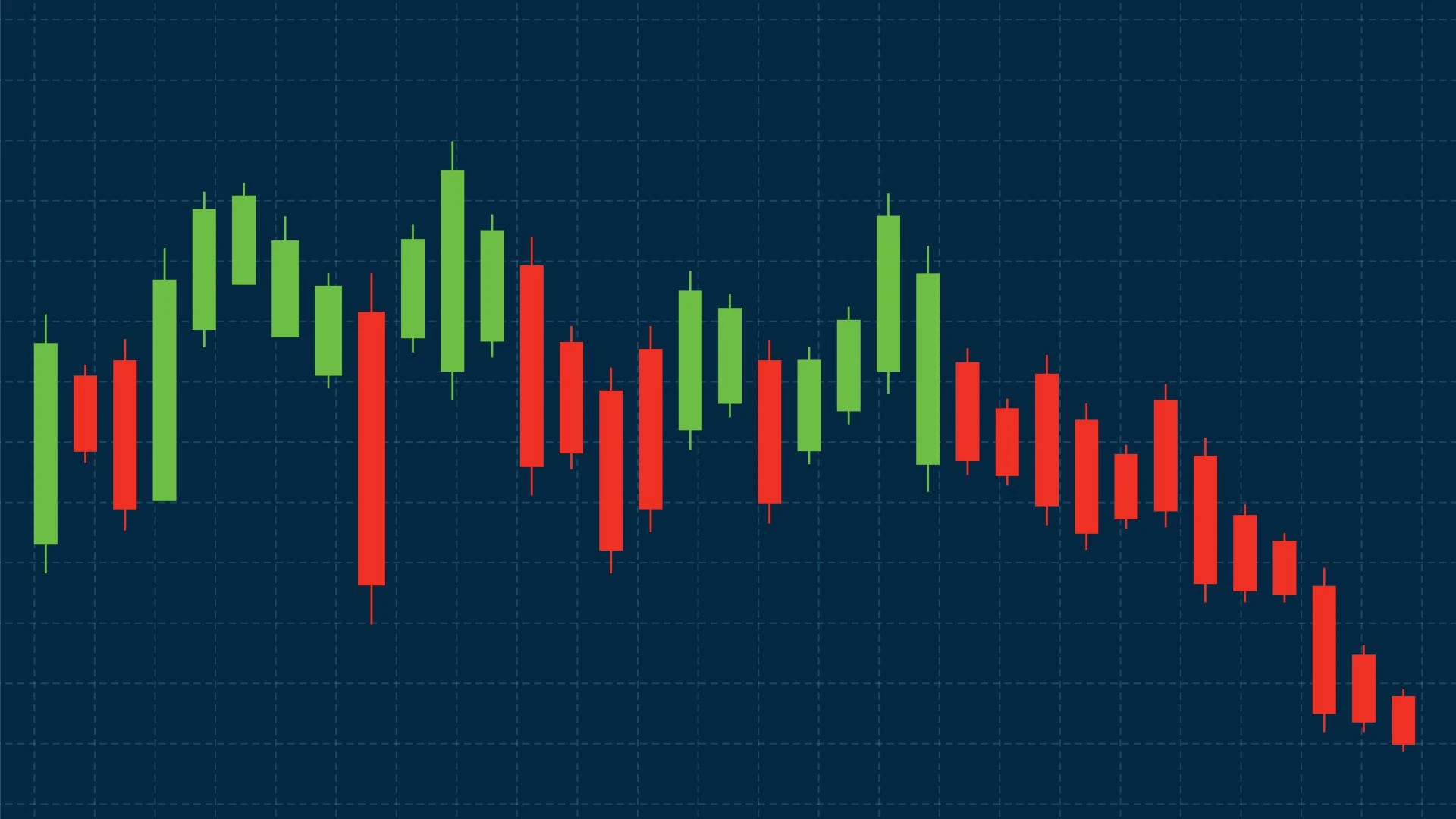

What is a Fair Value Gap?
In the world of trading, precision and timing are everything. One concept that has gained attention among traders is the fair value gap. But what exactly is a fair value gap, and why does it matter?
A fair value gap occurs when there is a significant imbalance between buying and selling activity in the market, leaving a “gap” in price levels. This typically happens during rapid price movements, often fueled by high volatility, news events, or institutional activity. Essentially, the market skips certain price levels, creating a gap that can serve as an area of interest for traders.
How Fair Value Gaps Form
So, what is a fair value gap in practical terms? It’s the space on a price chart where the market didn’t spend enough time to establish equilibrium. Traders often see this as an opportunity, as price tends to return to these gaps to “fill” the imbalance before continuing in its original direction. This behaviour is rooted in market psychology—buyers and sellers often revisit these levels to confirm fair pricing.
Using Fair Value Gaps in Trading
Understanding fair value gaps can provide traders with potential entry and exit points. For instance, if a trader identifies a gap formed after a strong bullish move, they might anticipate that the price could retrace to fill that gap before resuming upward momentum. Conversely, in a bearish scenario, a gap could signal a potential pullback.
It’s important to note that not all gaps are filled immediately, and market conditions can influence how quickly or fully this happens. Experienced traders combine fair value gap analysis with other tools, such as support and resistance levels or trend indicators, to make more informed decisions.
Conclusion
In summary, a fair value gap is more than just a blank space on a chart—it represents a temporary imbalance in the market that traders can monitor for strategic opportunities. By understanding what a fair value gap is and how it functions, traders can better anticipate potential price movements and refine their trading strategies.




















Sign in to leave a comment.