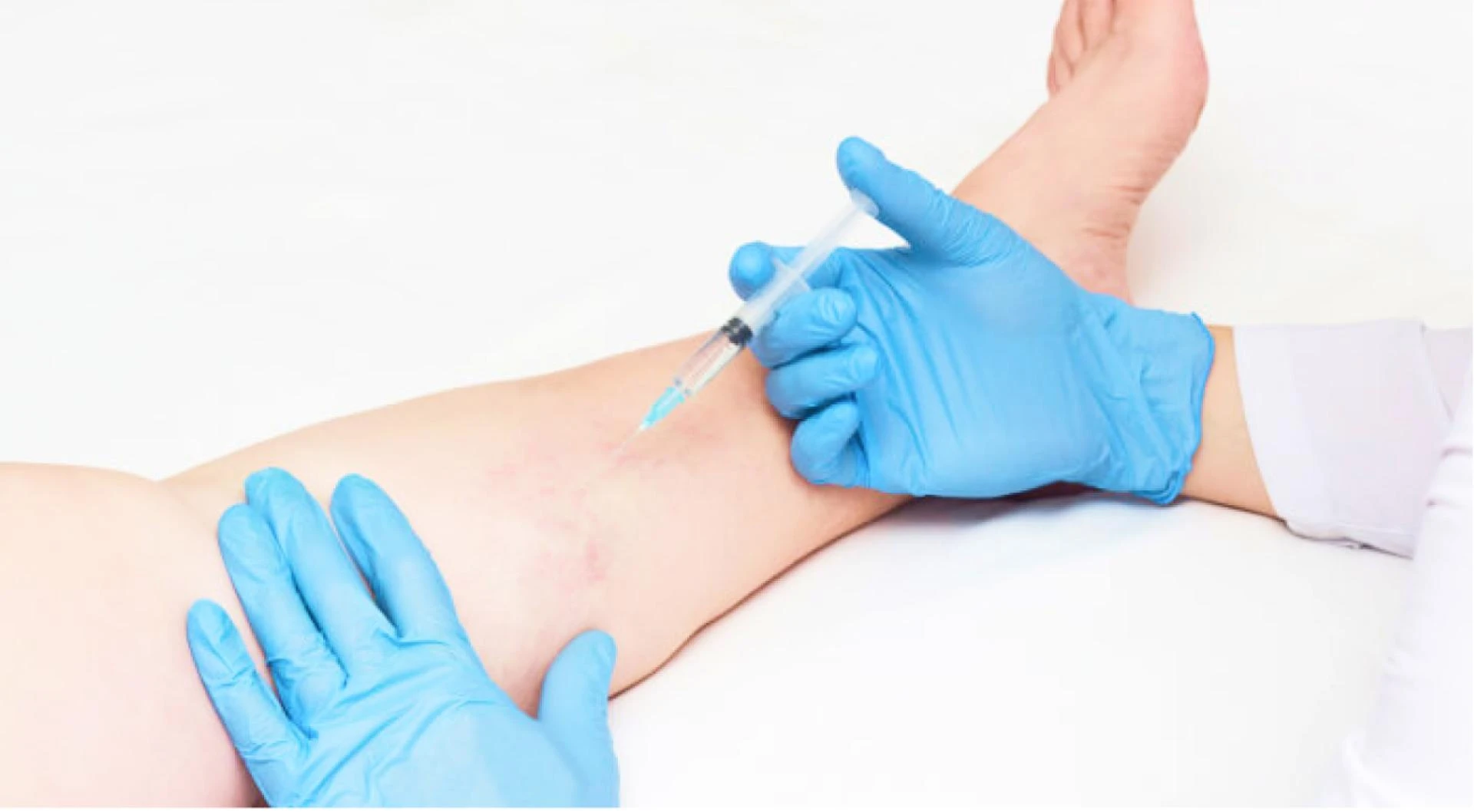

Gangrene and vein diseases are significant health issues that can cause debilitating effects on the body. With proper diagnosis and treatment, however, these conditions can be managed effectively. At SG Vascular Centre, we offer specialized care in diagnosing and treating vascular-related diseases, including gangrene and vein disease, through a combination of endovascular and surgical treatments. This article will explore what gangrene and vein diseases are, how they can be treated, and the steps you can take toward healthier vascular health.
What is Gangrene?
Gangrene refers to the death and decay of body tissues, often occurring in extremities like fingers, toes, and limbs. It is a severe medical condition that requires immediate attention. Gangrene typically develops when the blood flow to an area is reduced or stopped, causing tissues to starve for oxygen and nutrients. This lack of oxygen can cause cells to die, leading to infection and tissue breakdown.
Types of Gangrene
There are several types of gangrene, including:
- Dry Gangrene: Caused by a gradual loss of blood flow to the affected area, leading to tissue death. It often affects the extremities and can occur due to conditions like peripheral artery disease (PAD).
- Wet Gangrene: This type develops when bacteria infect the dead tissue, leading to rapid tissue decay and systemic infection. It is often associated with open wounds or injuries.
- Gas Gangrene: A more severe form, caused by infection with anaerobic bacteria that release gas and toxins, rapidly spreading through the body.
- Internal Gangrene: This occurs in internal organs and is typically a result of trauma or diseases that cause a disruption in blood flow, such as embolism.
Symptoms of Gangrene
Common signs of gangrene include:
- Pain or a feeling of numbness in the affected area
- Discoloration of the skin (from red to purple, black, or green)
- A foul-smelling discharge or pus
- Tissue death or a feeling of coldness in the area
- Fever and other signs of infection
If you notice any of these symptoms, it is crucial to seek medical attention immediately.
Vein Disease and its Connection to Gangrene
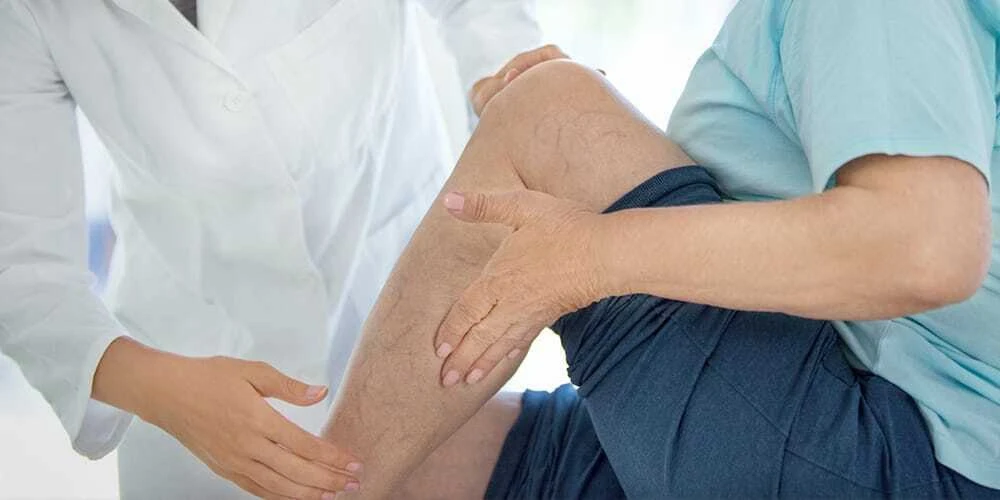
Vein disease, particularly chronic venous insufficiency (CVI), occurs when the veins in the legs fail to return blood back to the heart effectively. This condition can lead to a variety of issues, including varicose vein disease treatment, leg ulcers, and even gangrene in severe cases.
How Vein Disease Contributes to Gangrene
Vein disease, particularly when left untreated, can cause blood to pool in the lower extremities. This pooling of blood, or venous stasis, can increase pressure in the veins and cause damage to the surrounding tissue. Over time, poor blood flow leads to tissue death, making individuals more susceptible to gangrene. This is especially true in patients with diabetes, peripheral artery disease, or those who smoke, as these factors contribute to both vein disease and reduced circulation.
Vein Disease Treatment: How SG Vascular Centre Can Help
At SG Vascular Centre, we understand the critical link between vein disease and gangrene. Our team of highly experienced vascular surgeons is dedicated to providing the latest treatments to improve circulation and prevent the progression of gangrene.
1. Endovascular Treatments for Vein Disease
Endovascular procedures, such as angioplasty and stenting, are minimally invasive treatments used to open narrowed or blocked blood vessels. These treatments can restore proper blood flow to affected areas, reducing the risk of tissue death and gangrene. By inserting small instruments through tiny incisions, endovascular surgery allows patients to recover faster with minimal discomfort.
2. Surgical Interventions
In some cases, surgery may be required to remove damaged tissue, repair blood vessels, or address underlying issues contributing to poor circulation. Vascular surgery is often performed to treat more advanced vein disease or gangrene, restoring proper blood flow to prevent further tissue loss.
3. Compression Therapy
For less severe cases of vein disease, compression therapy can be highly effective. Compression stockings or bandages help to support the veins, reduce swelling, and improve circulation. This treatment can prevent the development of venous ulcers and slow down the progression of vein disease.
4. Lifestyle Modifications
Managing risk factors is crucial for preventing the progression of vein disease and gangrene. Our medical team at SG Vascular Centre advises patients on lifestyle changes, including:
- Quitting smoking to improve circulation
- Regular exercise to strengthen veins and improve blood flow
- Maintaining a healthy weight to reduce pressure on the veins
- Elevating the legs to improve circulation, especially for those with chronic venous insufficiency
The Importance of Early Diagnosis and Treatment
Gangrene is a life-threatening condition, but with early diagnosis and appropriate treatment, it is preventable. The key to preventing gangrene is ensuring good vascular health. If you suspect you have vein disease or are experiencing symptoms of gangrene, it is vital to seek medical attention immediately. At SG Vascular Centre, our expert team is equipped to assess your vascular health and develop a personalized treatment plan tailored to your needs.
Conclusion: A Forward-Looking Approach to Vascular Health
Gangrene and vein disease are serious conditions that can have long-lasting effects on your health. However, with advancements in medical technology and expertise, there are effective treatments available to address these issues. At SG Vascular Centre, we are committed to providing comprehensive care for individuals suffering from vein disease and gangrene. By focusing on prevention, early intervention, and holistic treatment, we can help you achieve better vascular health and improve your quality of life.
Remember, your vascular health is an essential part of your overall well-being. Stay informed, seek early treatment, and work with specialists who prioritize your health for a brighter, healthier future.















Sign in to leave a comment.