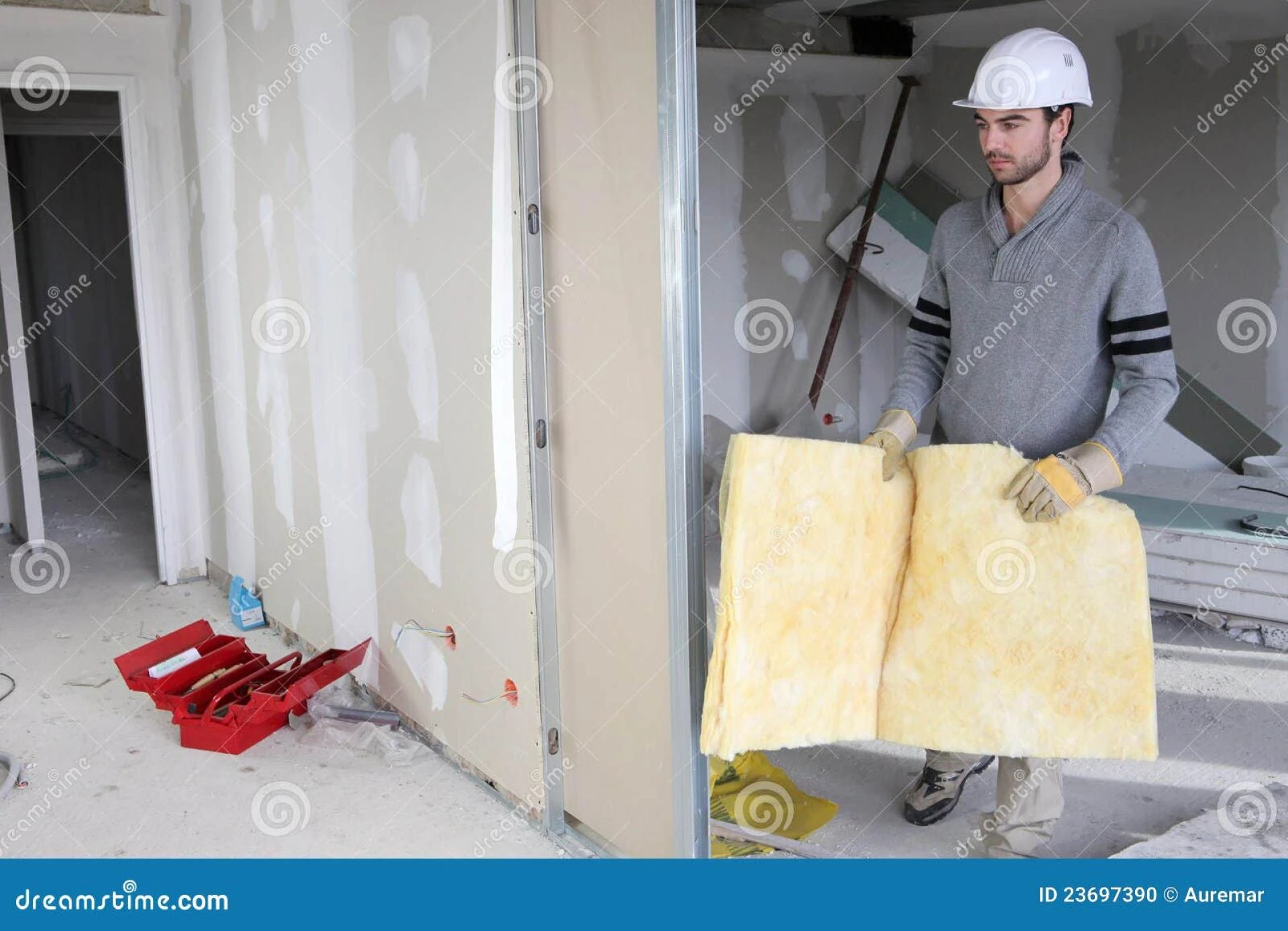

For anyone seeking to optimize interior spaces, gypsum partitioning has become a go-to solution. As a leading choice for modern construction, gypsum partitions offer versatility, durability, and aesthetic appeal. If you are considering hiring a gypsum contractor in Dubai, understanding the fundamentals of gypsum partitioning can help you make informed decisions. This guide will explore the benefits, features, and applications of gypsum partitioning in contemporary construction.
What Is Gypsum Partitioning?
Gypsum partitioning involves the use of gypsum boards, also known as drywall, to create internal walls and partitions. These partitions are lightweight and easy to install, making them an ideal alternative to traditional brick-and-mortar walls. Gypsum boards are typically made from a non-combustible core of gypsum, encased in heavy-duty paper on both sides, which can be finished with paint, wallpaper, or other decorative materials.
Benefits of Gypsum Partitioning
1. Lightweight and Easy to Install
One of the key advantages of gypsum partitioning is its lightweight nature. Unlike traditional walls, gypsum partitions are easy to transport and install, significantly reducing labor time and costs. Additionally, the installation process generates minimal mess, making it suitable for projects in occupied spaces.
2. Cost-Effective Solution
A cost-effective choice for both home and business projects is gypsum partitioning. The material is reasonably priced, and labor costs are decreased due to the shorter installation time. Furthermore, gypsum boards require minimal maintenance, making them a cost-effective choice in the long run.
3. Fire Resistance
Gypsum is naturally fire-resistant, offering an added layer of safety to buildings. The non-combustible core in gypsum boards provides excellent fire resistance, helping to contain the spread of flames and protect structural integrity during emergencies.
4. Sound Insulation
For spaces requiring privacy or reduced noise levels, gypsum partitioning provides excellent acoustic performance. Gypsum boards can be combined with insulating materials to enhance soundproofing, making them ideal for offices, hospitals, and schools.
5. Aesthetic Flexibility
Gypsum partitions can be finished with a variety of decorative materials, offering flexibility in design. From sleek, modern finishes to intricate paneling, gypsum boards can be customized to suit any interior style.
Applications of Gypsum Partitioning
1. Residential Spaces
In homes, gypsum partitions are commonly used to divide large rooms or create additional rooms without the need for major structural changes. They are also ideal for creating niches, shelves, and other decorative elements.
2. Commercial Offices
Gypsum partitioning is widely used in office spaces to create workstations, meeting rooms, and private cabins. The flexibility and ease of installation allow for quick modifications to suit evolving business needs.
3. Healthcare Facilities
Hospitals and clinics benefit from gypsum partitions due to their soundproofing and fire-resistant properties. They are used to create patient rooms, consultation areas, and specialized medical spaces.
4. Retail Stores
In retail environments, gypsum partitions help define spaces such as fitting rooms, display areas, and storage zones. Their aesthetic versatility ensures that the overall design remains visually appealing.
5. Educational Institutions
Schools and universities use gypsum partitions to create classrooms, laboratories, and administrative offices. Their soundproofing qualities contribute to a conducive learning environment.
Types of Gypsum Boards for Partitioning
1. Standard Gypsum Boards
These are the most commonly used gypsum boards, suitable for general partitioning and ceiling applications in dry areas.
2. Moisture-Resistant Boards
Designed for use in areas with high humidity, such as bathrooms and kitchens, moisture-resistant boards have a special coating to prevent water damage.
3. Fire-Resistant Boards
Fire-resistant gypsum boards contain additives that enhance their ability to withstand high temperatures, making them ideal for areas requiring enhanced fire safety.
4. Soundproof Boards
Soundproof gypsum boards are denser and designed specifically to reduce noise transmission, perfect for spaces where privacy is essential.
Tips for Choosing the Right Gypsum Contractor in Dubai
The success of your gypsum partitioning project depends on your choice of contractor. The following advice will assist you in making the best decision:
- Check Experience and Expertise: Ensure the contractor has experience in handling projects similar to yours.
- Verify Credentials: Look for certifications and licenses that indicate professionalism and adherence to industry standards.
- Ask for References: Request references or view previous projects to gauge the quality of their work.
- Discuss Project Timeline: A reliable contractor should provide a clear timeline for project completion.
- Get a Detailed Quote: Ensure the quote includes all costs, such as materials, labor, and any additional services.
Conclusion
Gypsum partitioning offers a versatile, cost-effective, and aesthetically pleasing solution for modern construction needs. Whether you’re looking to divide a residential space or optimize a commercial area, gypsum partitions provide numerous benefits, from fire resistance to sound insulation. By understanding the basics and choosing the right gypsum contractor in Dubai, you can achieve a seamless and professional result tailored to your requirements.







Sign in to leave a comment.