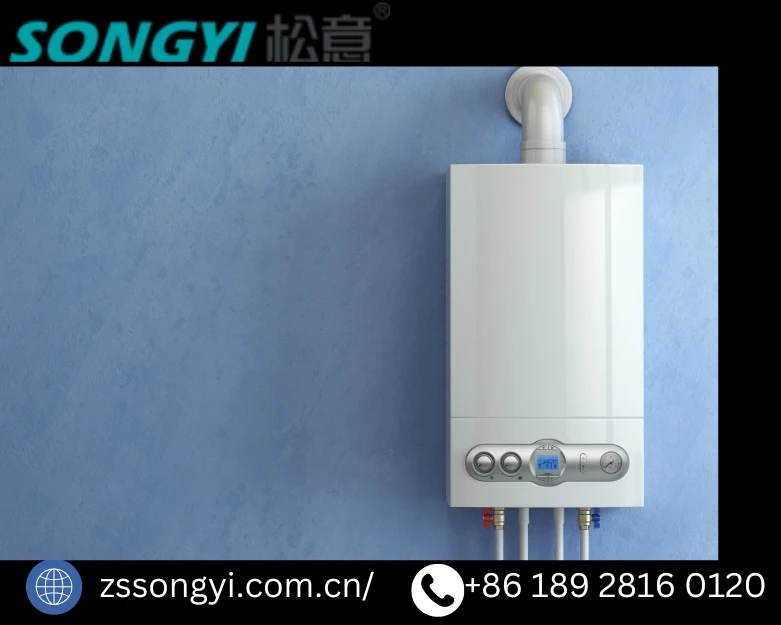

A heating boiler is a crucial component in residential and commercial heating systems, designed to provide warmth during colder months efficiently. Understanding its functionality, maintenance requirements, and benefits is essential for homeowners and property managers alike. A heating boiler serves as the heart of a central heating system, responsible for distributing heat throughout a building. Unlike traditional furnaces, which use forced air, boilers utilize water or steam to transfer heat, offering a more consistent and comfortable indoor environment.
Types of Heating Boilers
Gas Boilers: These are the most common type, using natural gas or propane to heat water within a closed system. They are highly efficient and cost-effective for larger spaces.
Oil Boilers: Ideal for areas without access to natural gas, oil boilers use heating oil to generate heat. They require regular maintenance to ensure optimal performance and safety.
Electric Boilers: These boilers are compact and do not require a flue or fuel storage, making them suitable for smaller homes or apartments. They are known for their quiet operation and energy efficiency.
Components of a Heating Boiler
Heat Exchanger: Transfers heat from the combustion gases to the water.Burner: Combusts the fuel to generate heat.Pump: Circulates water through the boiler and the heating system.Controls: Regulate boiler operation, ensuring efficient heating and safety.Expansion Tank: Absorbs excess water pressure, preventing system damage.Benefits of Heating Boilers
Energy Efficiency: Boilers can achieve high efficiency ratings, reducing energy bills compared to other heating systems.
Comfort: They provide consistent heat distribution without drafts or uneven temperatures.
Durability: With proper maintenance, boilers can last for decades, providing reliable heating throughout their lifespan.
Maintenance Tips
Annual Servicing: Schedule regular inspections and maintenance by a qualified technician to ensure safety and efficiency.
Monitor Pressure and Temperature: Check boiler pressure and water temperature regularly to prevent issues and maintain optimal performance.
Bleed Radiators: Release trapped air from radiators to improve heating efficiency and prevent cold spots.
Inspect for Leaks: Look for signs of leaks or corrosion, addressing them promptly to prevent damage and inefficiency.
Conclusion A heating boiler is a cornerstone of effective heating systems, offering reliability, efficiency, and comfort. By understanding its components, maintenance needs, and benefits, homeowners can ensure their heating systems operate smoothly, keeping their spaces warm and inviting throughout the year.
In conclusion, investing in a heating boiler is not just about warmth but also about long-term efficiency and comfort. With proper care and maintenance, a heating boiler can reliably serve your heating needs for years to come.


























Sign in to leave a comment.