

For years, I struggled with dark spots and uneven skin tone. Whether caused by sun exposure, acne scars, or hormonal changes, hyperpigmentation can be frustrating to manage. Like many others, I searched for solutions and found that choosing the right skin pigmentation cream can make all the difference. But with so many options available, how do you know which one is best for you?

What Is Hyperpigmentation?
Hyperpigmentation occurs when the skin produces excess melanin, leading to dark patches or an uneven complexion. It can appear in various forms, including:
- Melasma – Often triggered by hormonal changes, common during pregnancy.
- Sunspots – Caused by prolonged UV exposure.
- Post-Inflammatory Hyperpigmentation (PIH) – Dark spots left behind after acne or injuries.
Understanding the type of hyperpigmentation you have is the first step in choosing an effective treatment.
Key Ingredients to Look for in Skin Pigmentation Creams
When selecting a skin pigmentation cream, it’s important to check the ingredient list. Certain active ingredients are proven to help lighten dark spots and promote an even skin tone:
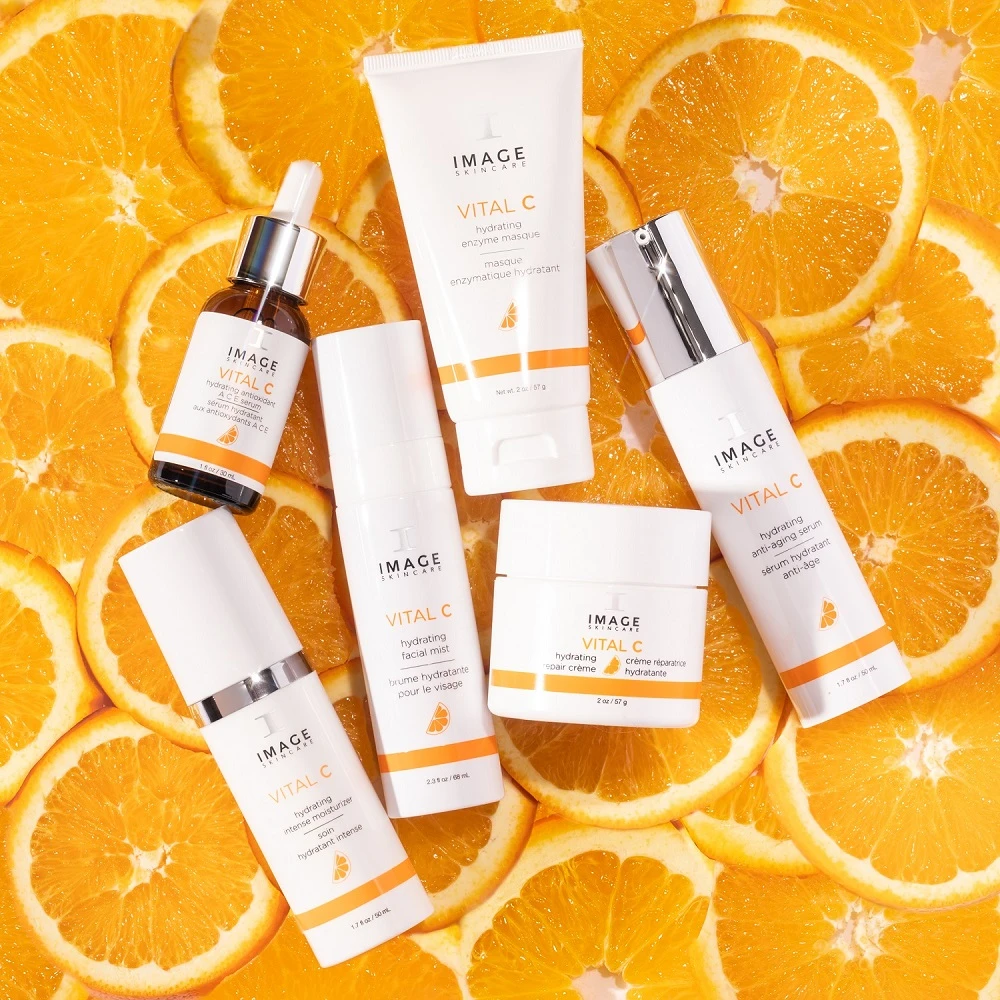
- Vitamin C – A powerful antioxidant that brightens the skin and reduces pigmentation.
- Niacinamide – Helps to improve skin texture while reducing redness and dark spots.
- Azelaic Acid – A gentle yet effective ingredient that treats hyperpigmentation and acne simultaneously.
- Kojic Acid – A natural skin brightener that inhibits melanin production.
- Retinoids (Vitamin A derivatives) – Promote skin cell turnover, reducing pigmentation over time.
- Hydroquinone (Prescription Only in the UK) – A strong skin-lightening agent available only under medical supervision.
Choosing the Right Skin Pigmentation Cream for Your Skin Type
Not all creams work for every skin type. Finding one that suits your skin's needs is crucial:
- For Sensitive Skin – Opt for creams with soothing ingredients like niacinamide or azelaic acid to avoid irritation.
- For Oily or Acne-Prone Skin – Look for non-comedogenic formulas containing retinoids or azelaic acid.
- For Dry Skin – Choose creams enriched with hydrating ingredients like glycerin or hyaluronic acid to maintain moisture.
How to Use a Skin Pigmentation Cream Effectively
Using a pigmentation cream correctly is just as important as selecting the right one. Here are some key tips:
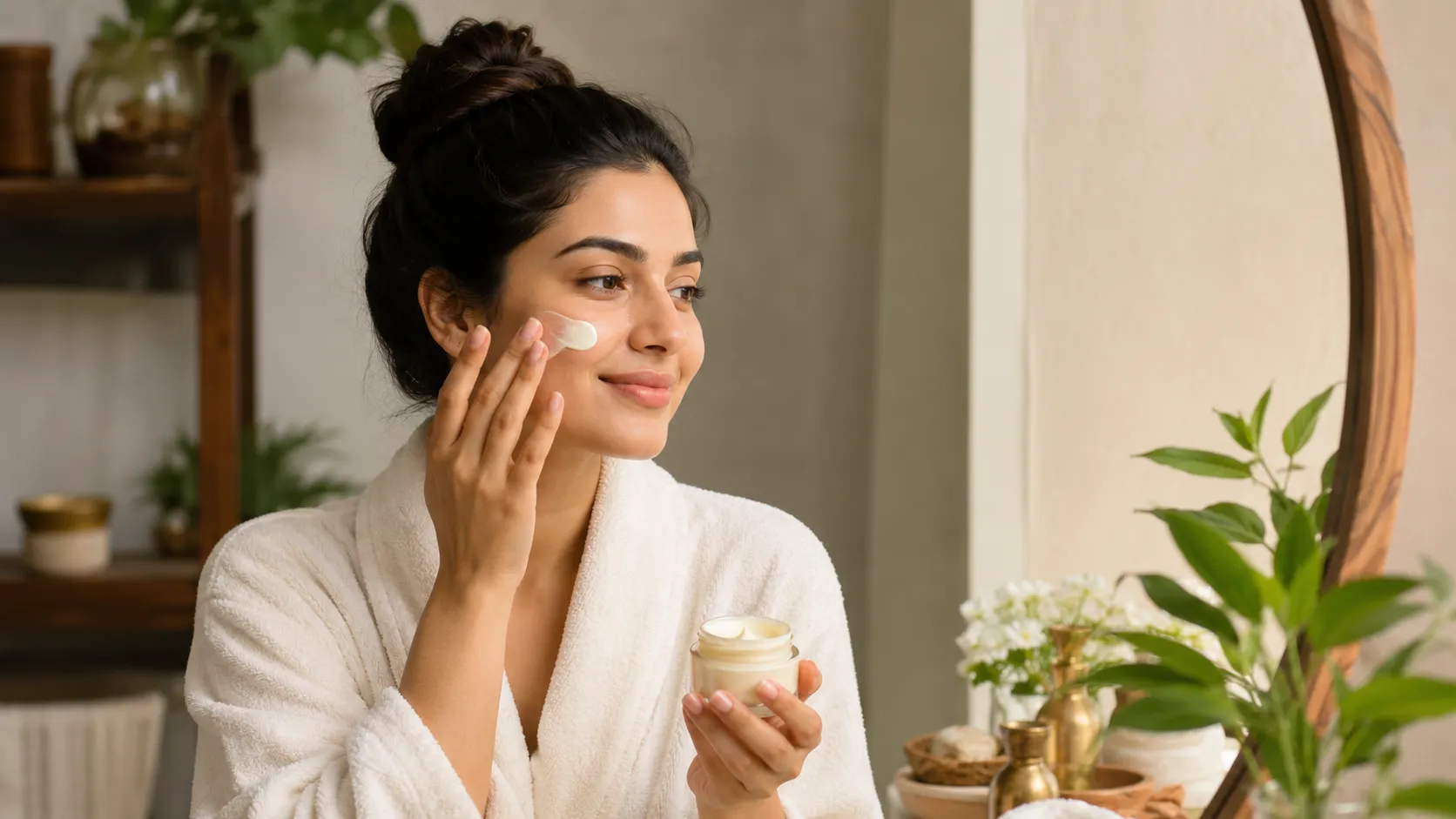
- Start with a Patch Test – Apply a small amount on a discreet area to check for any adverse reactions.
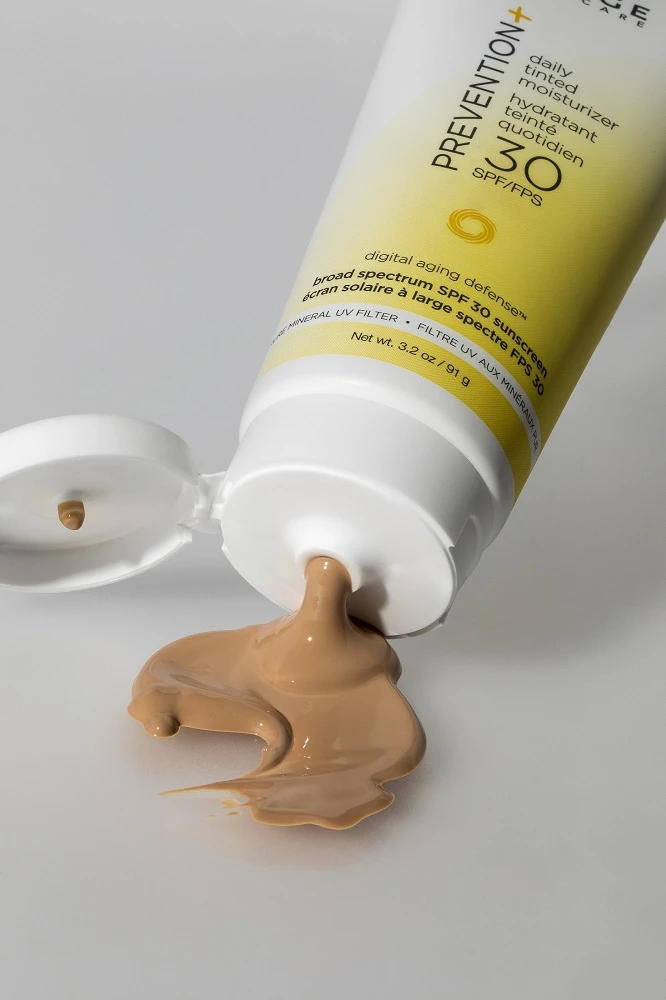
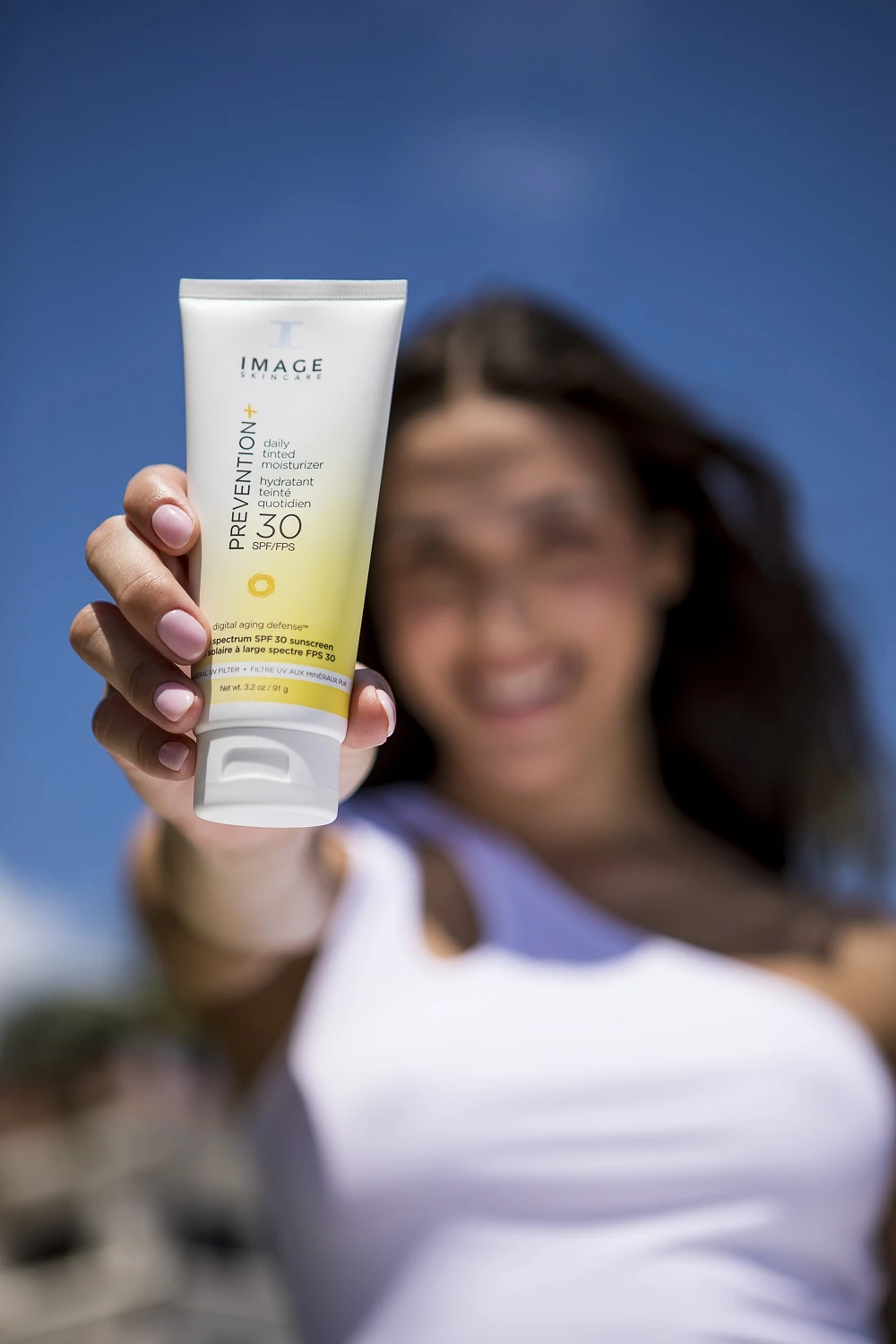
- Use Sun Protection – Sunscreen is essential, as UV rays can worsen hyperpigmentation.
- Apply Consistently – Results take time, so be patient and apply the cream as directed.
- Follow a Skincare Routine – Combine pigmentation creams with a gentle cleanser and a good moisturiser for the best results.
- Consult a Dermatologist – If over-the-counter options aren’t working, a dermatologist can recommend stronger treatments.
Common Mistakes to Avoid When Treating Hyperpigmentation
Many people unknowingly make mistakes that can slow down progress. Avoid these common pitfalls:
- Skipping Sunscreen – UV exposure can reverse progress and worsen pigmentation.
- Overusing Harsh Ingredients – Combining too many strong actives can lead to irritation and inflammation.
- Expecting Instant Results – Skin takes time to heal, so consistency is key.
- Not Addressing the Root Cause – Identifying the cause of pigmentation (e.g., hormonal changes, sun damage) helps in choosing the right treatment.
When to Seek Professional Help
If home treatments do not yield satisfactory results, professional treatments might be necessary. Options include:
- Chemical Peels – Help exfoliate the top layer of skin, reducing dark spots.
- Laser Therapy – Targets pigmentation at a deeper level.
- Microdermabrasion – Removes dead skin cells to reveal brighter skin.
Final Thoughts
Hyperpigmentation can be challenging, but the right approach makes all the difference. Selecting a skin pigmentation cream with effective ingredients, following a consistent routine, and using sun protection are key steps in achieving an even complexion. If over-the-counter treatments aren’t effective, consulting a dermatologist can provide personalised solutions.
By understanding your skin’s needs and making informed choices, you can take control of hyperpigmentation and achieve a healthier, more radiant complexion.


















Sign in to leave a comment.