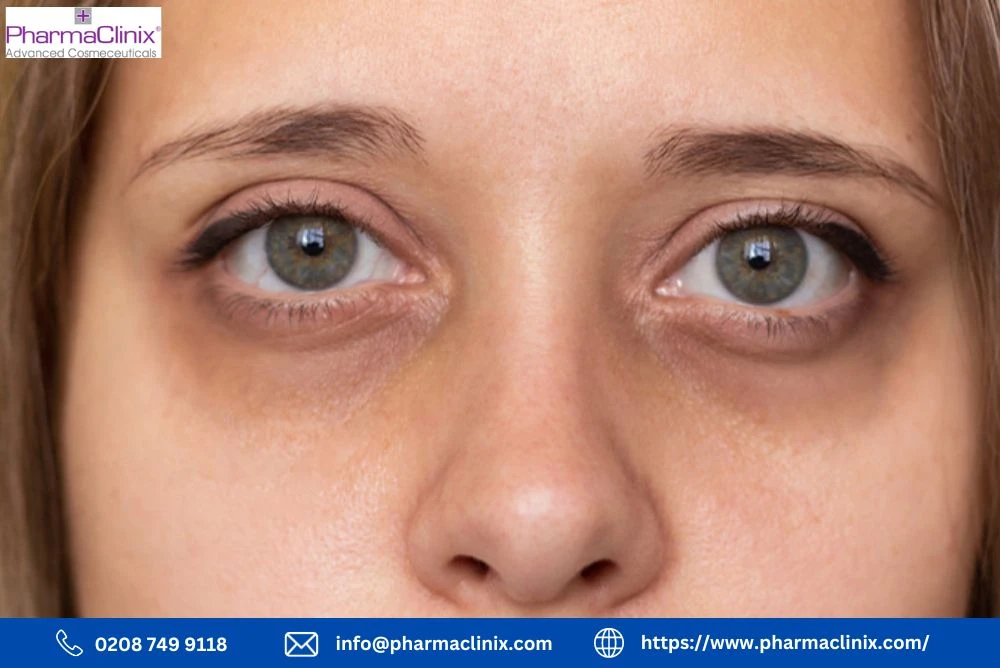

Hyperpigmentation around the eyes can be a frustrating condition. It often feels like your skin is playing a cruel joke on you, turning a delicate area into a patchwork of dark spots. But don\'t worry! In this guide, we\'ll explore what hyperpigmentation around the eyes is, why it happens, and how you can tackle it effectively.
What is Hyperpigmentation?
Hyperpigmentation is a condition where certain areas of the skin become darker than the surrounding skin. This darkening happens due to an excess production of melanin, the pigment that gives skin its colour. It\'s like a patchwork quilt, where some patches are much darker than others.
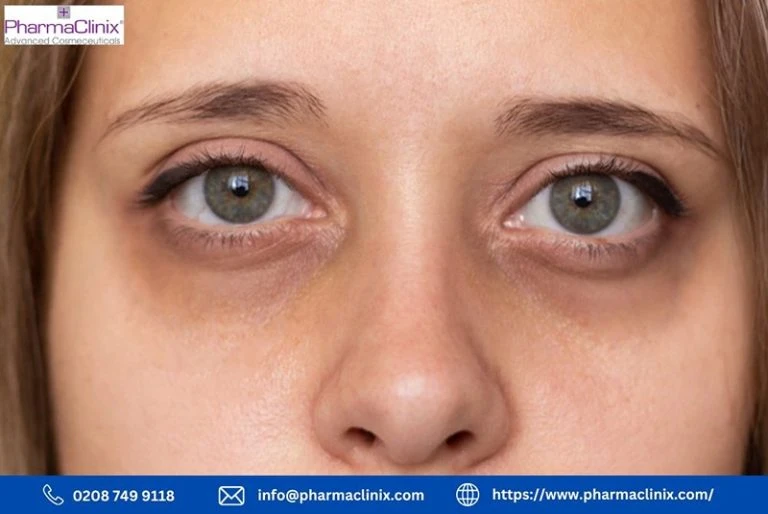
In the context of the eyes, hyperpigmentation appears as dark circles or spots around the delicate eye area. This can be particularly noticeable and frustrating because the skin around the eyes is thinner and more sensitive than other parts of the face.
Why is the Skin Around the Eyes More Prone to Hyperpigmentation?
The skin around the eyes is unique. It\'s much thinner compared to other areas, which makes it more susceptible to changes and damage. Think of it as a fragile piece of silk fabric—one wrong move and it could easily show wear and tear.
Additionally, this area has fewer oil glands, which means it\'s less hydrated and more prone to dryness. This lack of moisture can exacerbate pigmentation issues, making dark spots more noticeable.
Common Causes of Hyperpigmentation Around the Eyes
Hyperpigmentation around the eyes can be triggered by several factors. Here are the most common causes:
- Sun Exposure: Prolonged exposure to the sun can increase melanin production, leading to dark patches around the eyes.
- Genetics: Sometimes, the tendency to develop hyperpigmentation can be inherited from family members.
- Age: As we age, the skin loses collagen and becomes more prone to discolouration.
- Allergies and Eczema: Allergic reactions or eczema around the eyes can lead to inflammation and hyperpigmentation.
- Iron Deficiency: Conditions like anaemia can cause dark circles due to poor oxygenation of blood vessels.
Symptoms and Signs of Hyperpigmentation Around the Eyes
The primary symptom of hyperpigmentation around the eyes is the appearance of darker areas or patches. These can range from mild to severe and often look like dark circles. Other symptoms may include:
- Uneven Skin Tone: Patches of darker skin compared to the rest of the face.
- Dryness: The affected skin may feel drier or rougher than surrounding areas.
- Swelling: Sometimes, the area around the eyes can also be swollen, contributing to the appearance of dark spots.
Diagnosis: How to Confirm Hyperpigmentation Around the Eyes
To diagnose hyperpigmentation around the eyes, a dermatologist will typically conduct a thorough examination. This may include:
- Visual Examination: Checking the appearance and pattern of the pigmentation.
- Medical History: Asking about any relevant medical conditions, family history, or recent changes in health.
- Skin Biopsy: In some cases, a small sample of skin might be taken to rule out other conditions.
Prevention Tips to Avoid Hyperpigmentation
Preventing hyperpigmentation is often easier than treating it. Here are some tips to keep those dark patches at bay:
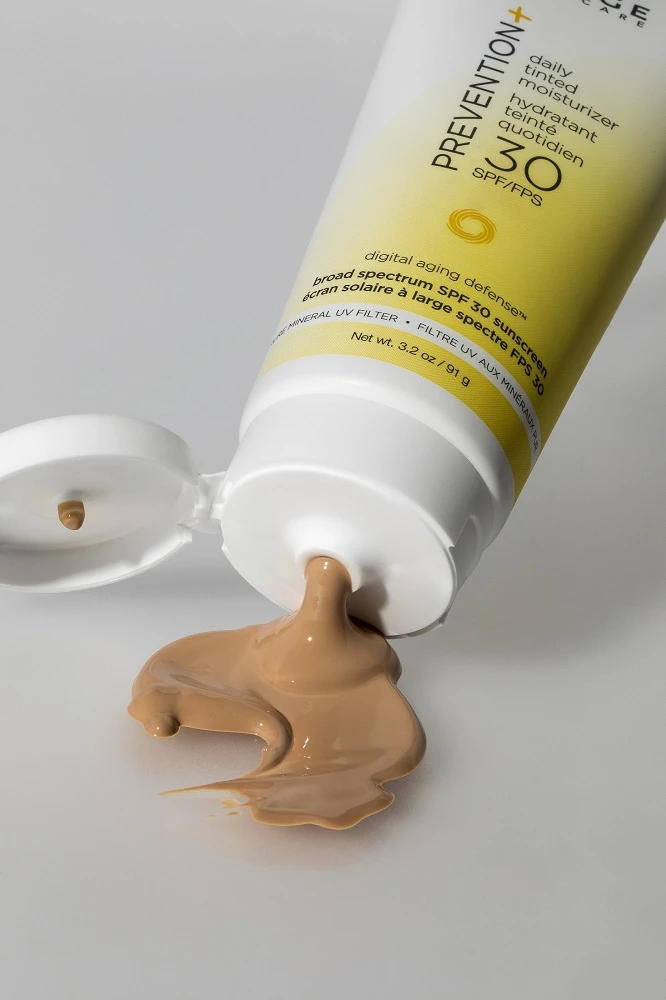
- Use Sunscreen: Always apply a broad-spectrum sunscreen around the eyes to protect against UV rays.
- Avoid Rubbing Eyes: Rubbing can irritate the skin and exacerbate pigmentation.
- Stay Hydrated: Drink plenty of water to keep your skin hydrated.
- Get Enough Sleep: Lack of sleep can contribute to dark circles.
Home Remedies for Hyperpigmentation Around the Eyes
If you prefer natural treatments, several home remedies can help lighten hyperpigmented areas around the eyes:
- Cucumber Slices: Place chilled cucumber slices over your eyes for 10-15 minutes to reduce dark circles.
- Green Tea Bags: The antioxidants in green tea can help lighten pigmentation. Apply cooled tea bags to the eyes.
- Aloe Vera Gel: Apply pure aloe vera gel to the dark areas before bedtime to soothe and lighten the skin.
Over-the-Counter Products for Hyperpigmentation
There are numerous over-the-counter products designed to reduce hyperpigmentation. Look for products containing:
- Vitamin C: Known for its brightening properties.
- Niacinamide: Helps even out skin tone and reduce dark spots.
- Hydroquinone: A skin-lightening agent that can be effective for some people.
Professional Treatments for Hyperpigmentation
For more severe cases, professional treatments might be necessary. These include:
- Chemical Peels: Help to exfoliate the skin and reduce pigmentation.
- Laser Therapy: Targets dark spots and improves skin tone.
- Microneedling: Promotes collagen production and reduces hyperpigmentation.
Lifestyle Changes to Help Manage Hyperpigmentation
Adopting a healthy lifestyle can support skin health and help manage hyperpigmentation:
- Eat a Balanced Diet: Include fruits and vegetables rich in vitamins and antioxidants.
- Exercise Regularly: Improves circulation and skin health.
- Manage Stress: Stress can exacerbate skin issues, including pigmentation.
When to See a Dermatologist
If you notice persistent or worsening hyperpigmentation, it\'s time to consult a dermatologist. Seek professional advice if:
- Over-the-Counter Products Aren\'t Working: You need stronger treatments.
- Hyperpigmentation is Spreading: It could be a sign of a more serious condition.
- You Have Other Symptoms: Such as swelling or irritation.
Diet and Nutrition\'s Role in Managing Hyperpigmentation
Your diet plays a crucial role in skin health. To help manage hyperpigmentation, focus on:
- Vitamin C-rich Foods: Such as oranges and strawberries, which can help lighten pigmentation.
- Iron-rich Foods: To address any deficiencies that may contribute to dark circles.
- Hydrating Foods: Like cucumbers and watermelon to keep the skin moisturised.
Myths and Misconceptions About Hyperpigmentation
There are many myths surrounding hyperpigmentation. Here are a few common ones:
- Myth 1: Only People with Dark Skin Get Hyperpigmentation: Hyperpigmentation can affect all skin types and colours.
- Myth 2: It\'s Just a Cosmetic Issue: In some cases, it can be a sign of underlying health problems.
- Myth 3: Home Remedies are Always Effective: While they can help, they may not be sufficient for severe cases.
Long-Term Management and Care
Managing hyperpigmentation is an ongoing process. To maintain healthy skin:
- Continue Using Sunscreen: Even after the pigmentation has improved.
- Follow a Skincare Routine: Consistent care helps prevent recurrence.
- Regular Check-ups: Visit a dermatologist for routine evaluations.
Conclusion
Hyperpigmentation around the eyes can be bothersome, but with the right approach, it is manageable. Whether you opt for home remedies, over-the-counter products, or professional treatments, understanding your options can help you achieve a more even skin tone. Remember, consistent care and prevention are key to maintaining healthy skin and reducing the appearance of dark spots.
Frequently Asked Questions (FAQs)
Q: What causes hyperpigmentation around the eyes?
A: Hyperpigmentation around the eyes can be caused by factors such as sun exposure, genetics, age, and certain medical conditions.
Q: Can hyperpigmentation around the eyes be treated at home?
A: Yes, home remedies like cucumber slices, green tea bags, and aloe vera gel can help lighten hyperpigmentation, but results may vary.
Q: When should I see a dermatologist for hyperpigmentation?
A: If over-the-counter treatments aren\'t effective, or if you experience worsening or spreading pigmentation, consult a dermatologist.
Q: Are there any effective over-the-counter treatments for hyperpigmentation?
A: Products containing Vitamin C, niacinamide, and hydroquinone can be effective in reducing hyperpigmentation.
Q: How can I prevent hyperpigmentation around the eyes?
A: Use sunscreen, avoid rubbing your eyes, stay hydrated, and get enough sleep to prevent hyperpigmentation.



















Sign in to leave a comment.