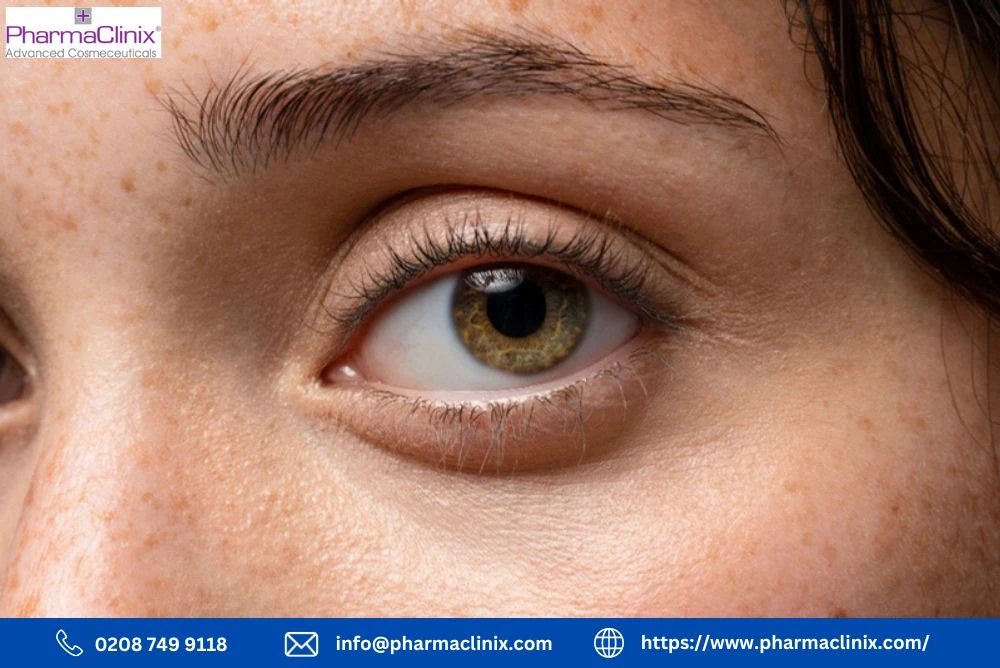

Hyperpigmentation under eyes can be a frustrating concern for many, affecting their appearance and confidence. Whether it\'s due to genetics, lifestyle, or other factors, these dark patches can seem stubborn and unmanageable. In this comprehensive guide, we will explore the causes, treatments, and prevention methods for hyperpigmentation under the eyes, providing you with valuable insights to help manage this common issue effectively.
Introduction
Are you tired of seeing dark patches under your eyes every time you look in the mirror? Hyperpigmentation under eyes is a common issue that many people face. It can make you look tired and aged, even if you feel perfectly fine. This article will delve into the causes, treatments, and prevention strategies for hyperpigmentation under the eyes, giving you the knowledge to tackle this problem head-on.
What is Hyperpigmentation Under Eyes?
Hyperpigmentation under eyes refers to the darkening of the skin beneath the eyes, resulting in what is commonly known as dark circles. This condition occurs when an excess of melanin, the pigment responsible for skin colour, is produced in that area. The result is darker patches that can vary in severity and colour, from light brown to dark brown or even blue-black.
Common Causes of Hyperpigmentation Under Eyes
Understanding the root causes of hyperpigmentation under eyes is crucial for effective treatment. Let\'s explore some of the most common factors:
Genetics and Family History
Have you ever noticed that dark circles seem to run in families? Genetics play a significant role in determining whether you will develop hyperpigmentation under your eyes. If your parents or close relatives have it, there\'s a higher chance you might too.
Lifestyle Factors
Your daily habits and lifestyle choices can significantly impact the appearance of your skin, including the area under your eyes. Factors such as lack of sleep, poor diet, and excessive screen time can contribute to dark circles.
Medical Conditions
Certain medical conditions can cause or exacerbate hyperpigmentation under eyes. Conditions like allergies, eczema, and chronic sinusitis can lead to inflammation and increased melanin production in the under-eye area.
Effective Treatments for Hyperpigmentation Under Eyes
While hyperpigmentation under eyes can be persistent, various treatments can help reduce its appearance. Here are some effective options:
Topical Creams and Serums
Over-the-counter and prescription creams and serums containing ingredients like retinol, vitamin C, and hydroquinone can help lighten dark patches over time. These products work by inhibiting melanin production and promoting skin cell turnover.
Professional Treatments
If topical treatments aren\'t enough, professional options like chemical peels, laser therapy, and microdermabrasion can provide more significant results. These treatments help to remove the top layers of skin, reducing pigmentation and promoting new skin growth.
Home Remedies
For those who prefer natural treatments, several home remedies can help lighten hyperpigmentation under eyes. Ingredients like aloe vera, cucumber slices, and almond oil have soothing properties that can reduce dark circles.
Prevention Tips for Hyperpigmentation Under Eyes
Prevention is always better than cure. By adopting certain habits, you can minimise the chances of developing hyperpigmentation under your eyes.
Healthy Lifestyle Choices
Maintaining a healthy lifestyle is essential for overall skin health. Ensure you get enough sleep, stay hydrated, eat a balanced diet rich in vitamins and antioxidants, and avoid excessive caffeine and alcohol consumption.
Skincare Routine
A proper skincare routine tailored to your skin type can make a significant difference. Use a gentle cleanser, moisturiser, and sunscreen daily. Additionally, incorporate products with ingredients like hyaluronic acid and peptides that help to nourish and protect the delicate skin around the eyes.
When to See a Dermatologist
If you\'ve tried various treatments and your hyperpigmentation under eyes persists, it might be time to consult a dermatologist. They can provide personalised advice and recommend treatments based on your specific condition.
Conclusion
Hyperpigmentation under eyes can be a distressing issue, but with the right knowledge and approach, it is manageable. By understanding the causes, exploring effective treatments, and adopting preventive measures, you can significantly reduce the appearance of dark circles and regain your confidence.
Frequently Asked Questions (FAQs)
Q: What causes hyperpigmentation under eyes?
A: Hyperpigmentation under eyes can be caused by various factors including genetics, lifestyle choices, and medical conditions.
Q: Can hyperpigmentation under eyes be treated at home?
A: Yes, several home remedies can help reduce the appearance of hyperpigmentation under eyes, such as using aloe vera, cucumber slices, and almond oil.
Q: How long does it take to see results from topical treatments?
A: Results from topical treatments can vary, but you may start to see improvement within a few weeks to a few months of consistent use.
Q: Are professional treatments for hyperpigmentation under eyes safe?
A: Yes, professional treatments like chemical peels and laser therapy are generally safe when performed by a qualified dermatologist.
Q: When should I see a dermatologist for hyperpigmentation under eyes?
A: If home remedies and over-the-counter treatments aren\'t effective, or if you notice worsening symptoms, it\'s advisable to consult a dermatologist for personalised treatment options.



















Sign in to leave a comment.