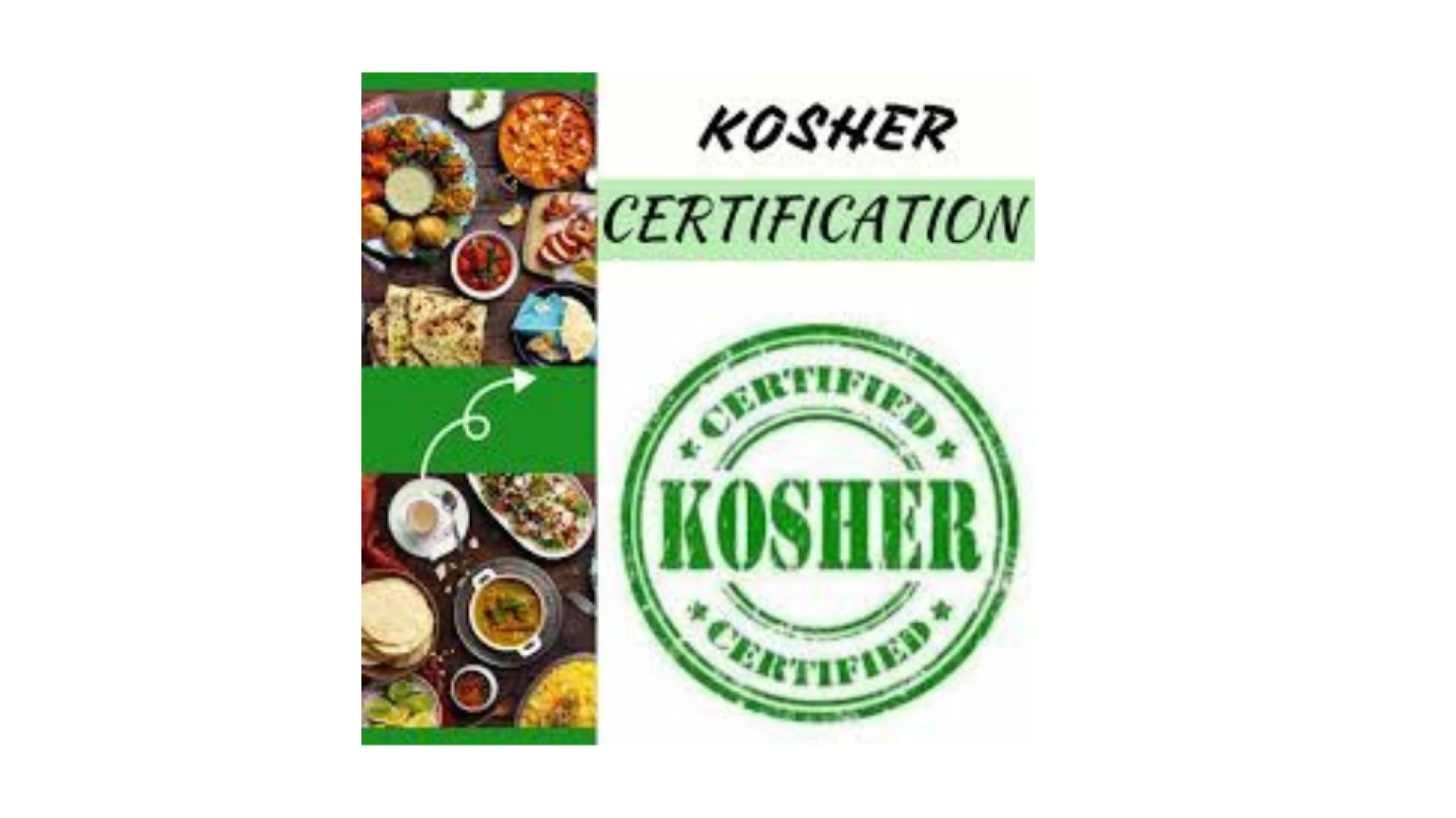

A kosher certificate is an official document issued by a recognized kosher certification agency that ensures a food product or establishment follows Jewish dietary laws (Kashrut). The word "kosher" means "fit" or "proper," referring to food that meets specific guidelines set out by Jewish law.
What is a Kosher Certificate?
A kosher certificate guarantees that food has been prepared in accordance with Jewish dietary laws. These rules govern what foods can be eaten, how they should be processed, and even how animals should be slaughtered. Kosher certification applies to various products, including meats, dairy, packaged foods, and beverages. The certification also ensures the separation of meat and dairy products, a key principle in Kashrut.
Why Kosher Certification Matters
1. For the Jewish Community
Kosher certification is vital for Jewish individuals who adhere to the laws of Kashrut. These laws dictate which foods are permissible, how food should be prepared, and the separation of meat and dairy. Kosher certification ensures that products align with these religious requirements, allowing Jewish consumers to confidently make food choices.
2. Appeal to Ethical and Health-Conscious Consumers
Kosher products often go through rigorous ethical standards, such as humane animal treatment and ethical sourcing of ingredients. Many consumers, even outside the Jewish community, choose kosher products because they view them as cleaner, safer, and more reliable due to the stringent inspection process.
3. Global Market Reach
Kosher certification enables businesses to expand their reach. Beyond the Jewish community, kosher products often appeal to Muslims, vegetarians, and health-conscious individuals. In many parts of the world, kosher certification helps open doors for international markets, especially where kosher laws align with other dietary practices like halal.
How Does a Product Become Kosher Certified?
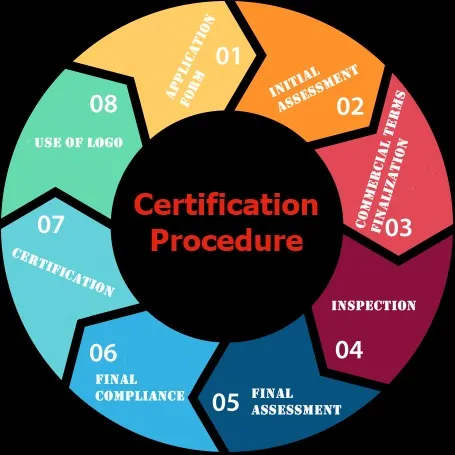
To become kosher certified, a product undergoes an inspection process, which includes:
- Ingredient Scrutiny: Only approved ingredients, such as certain meats, dairy, and plant-based products, can be used.
- Facility Inspections: Facilities must maintain separation of meat and dairy and use kosher utensils and equipment.
- Ongoing Monitoring: Certification agencies regularly audit production to ensure compliance with kosher standards.
Conclusion
A kosher certificate is a mark of quality, trust, and ethical sourcing. It not only benefits those who follow Jewish dietary laws but also appeals to a broader, health-conscious audience. Understanding kosher certification helps consumers make informed choices while supporting businesses that uphold high standards of food production.





























Sign in to leave a comment.