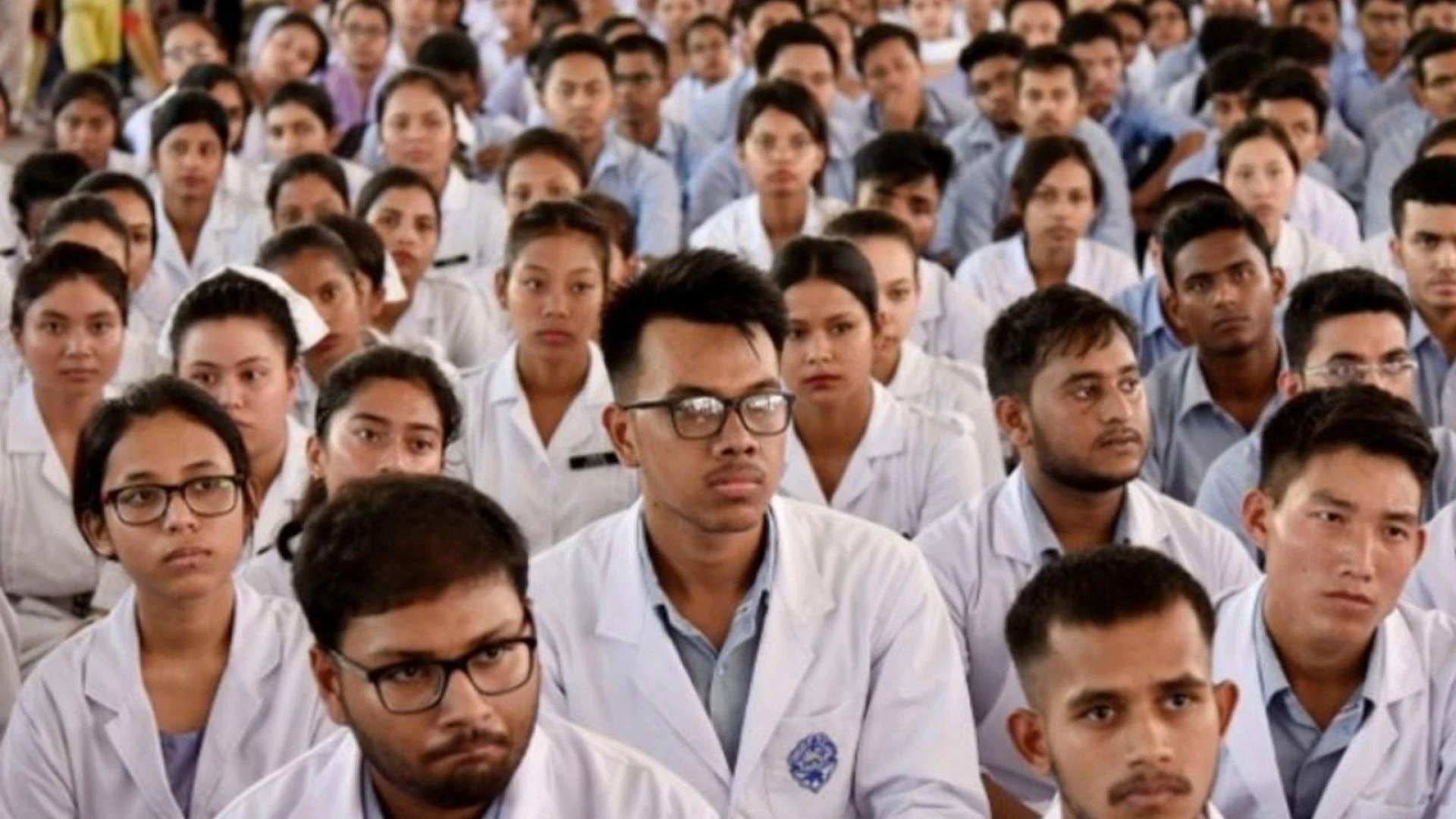

Pursuing a medical degree abroad has become an increasingly popular choice for aspiring doctors. Among the many options available, China has emerged as a prominent destination for international students seeking an affordable yet quality education in medicine. In this comprehensive guide, we will delve into the MBBS in China Fee Structure, shedding light on tuition costs, living expenses, scholarships, and more.
MBBS in China Fee Structure: Overview
When contemplating a medical education in China, one of the foremost considerations is the fee structure. It's essential to understand the various components that make up the overall cost of studying MBBS in China. Here's a breakdown:
Tuition Fees: Tuition fees in China can vary significantly based on the university and the city in which it is located. On average, tuition fees for international students range from $3,000 to $10,000 per year. Prestigious universities may have higher tuition fees, while less-known institutions may offer more budget-friendly options.
Application Fees: Applicants are typically required to pay an application fee, which can range from $50 to $150. This fee covers the administrative costs associated with processing your application.
Accommodation Costs: The cost of accommodation varies based on the type and location of housing. On-campus dormitories are usually cheaper, ranging from $500 to $1,500 per year, while off-campus options may be slightly higher.
Living Expenses: Your monthly living expenses will depend on your lifestyle and spending habits. On average, international students in China spend between $300 and $600 per month on food, transportation, and other necessities.
Textbooks and Study Materials: Budget for textbooks and study materials, which can amount to approximately $300 to $500 per year.
Health Insurance: International students are required to have health insurance, which costs around $200 to $400 per year, depending on the coverage.
Resident Permit and Visa Fees: Budget for resident permit and visa fees, which typically amount to around $150 to $300 per year.
Additional Costs: Be prepared for unexpected expenses such as travel, leisure activities, and unforeseen emergencies.
Scholarships and Financial Aid
China offers various scholarships and financial aid options to international students pursuing an MBBS degree. Some of the most notable ones include:
Chinese Government Scholarships: The Chinese government provides full or partial scholarships to international students based on academic excellence. These scholarships cover tuition, accommodation, and a monthly stipend.
University Scholarships: Many Chinese universities offer scholarships specifically for international medical students. These scholarships may be merit-based or need-based.
Bilateral Scholarships: Some countries have bilateral agreements with China that provide scholarships to their citizens studying in China. Check if your home country offers such opportunities.
Provincial and Municipal Scholarships: Certain provinces and municipalities in China offer scholarships to international students. These scholarships can significantly reduce the financial burden.
Private Scholarships: Private organizations, both within China and internationally, also offer scholarships to international students pursuing an MBBS in China.
It's crucial to research and apply for scholarships well in advance, as competition can be fierce. Meeting the eligibility criteria and submitting a strong application are key to securing financial aid.
Hidden Costs and Considerations
While the fee structure mentioned above covers the primary expenses, there are some hidden costs and considerations you should be aware of when studying MBBS in China:
Language Proficiency: Many universities in China offer MBBS programs in English, but some may require a certain level of proficiency in Chinese. Language courses or language tests like the HSK may add to your expenses.
Visa Renewal: If your MBBS program exceeds one year, you will need to renew your student visa, incurring additional fees.
Extracurricular Activities: Participating in extracurricular activities, medical conferences, or study tours may come with extra costs.
Travel Expenses: Factor in the cost of traveling back and forth to your home country during breaks or emergencies.
Currency Fluctuations: Be aware that exchange rates can affect the overall cost of your education.
Making Informed Financial Decisions
To make informed financial decisions when considering MBBS in China, consider the following tips:
Budget Wisely: Create a detailed budget that includes all expected expenses, both fixed and variable.
Explore Scholarships: Research and apply for scholarships to minimize the financial burden.
Compare Universities: Compare tuition fees, living costs, and available scholarships at different universities to find the most cost-effective option.
Consider Part-Time Work: Some international students in China are allowed to work part-time to supplement their income, but check the regulations before seeking employment.
Plan for Emergencies: Have a contingency fund for unexpected expenses or emergencies.
Seek Financial Advice: Consult with financial advisors or education consultants who specialize in international education for personalized guidance.
Conclusion
Studying MBBS in China can be an affordable and rewarding option for international students. Understanding the fee structure, including tuition fees, scholarships, and hidden costs, is crucial for making informed financial decisions. By budgeting wisely, exploring scholarship opportunities, and planning for various expenses, you can pursue your dream of becoming a doctor while studying in China without breaking the bank.



























Sign in to leave a comment.