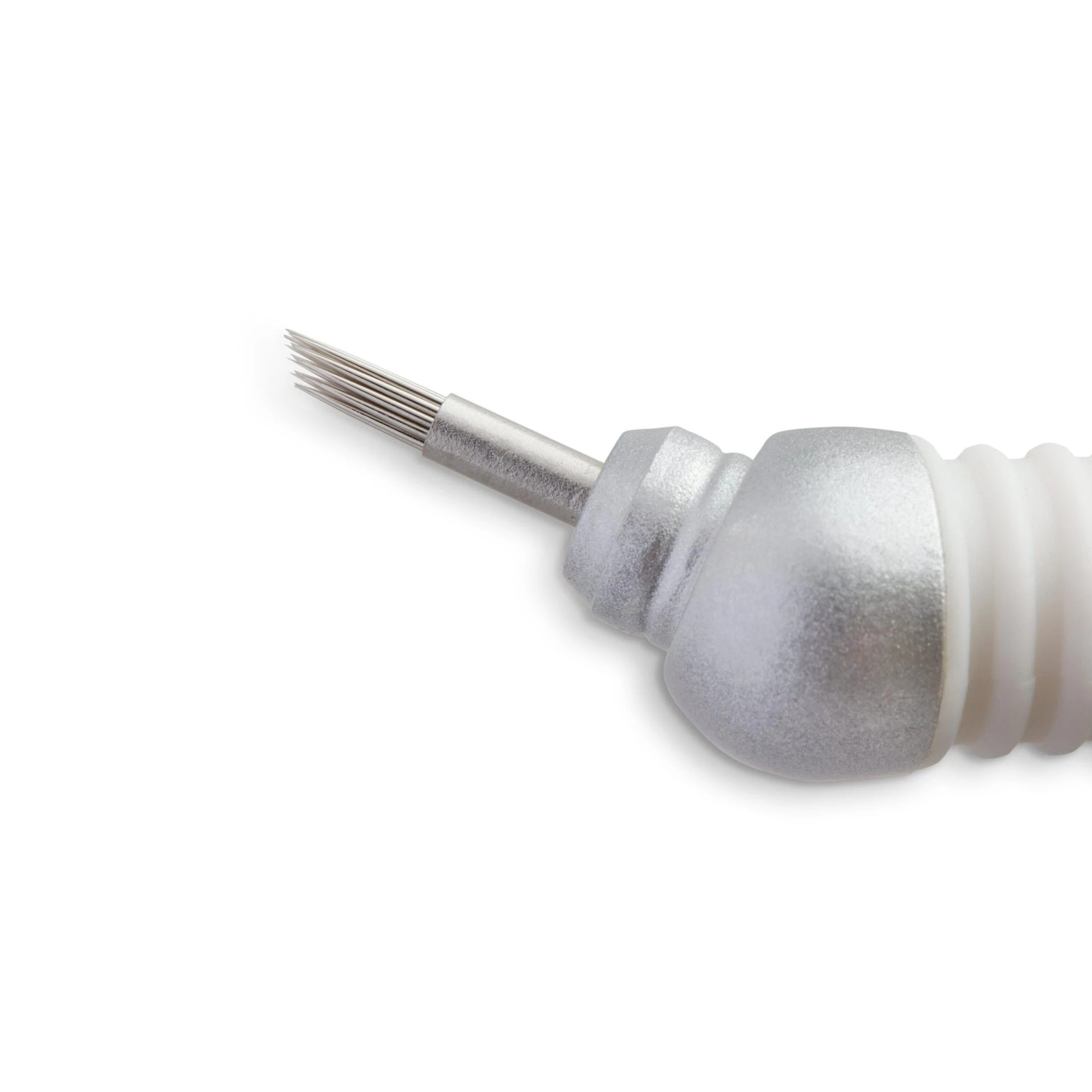

Microblading has become a popular technique for achieving fuller and more defined eyebrows. As microblading technicians, it is crucial to prioritize the safety and well-being of our clients. One aspect of safety that should never be overlooked is the proper sterilization of microblading blades.
Here, we explore the microblading blade sterilization and safety protocols, understanding the importance of these practices, the methods of sterilization, and the steps technicians can take to ensure a clean and hygienic working environment.
The Importance of Sterilization in Microblading
Microblading involves the use of tiny needles to create fine incisions in the skin's upper layers, depositing pigments to create natural-looking eyebrows. Due to the nature of this procedure, there is a risk of introducing bacteria or other contaminants into the skin, which can lead to infections or other complications. Proper sterilization is essential in minimizing these risks and maintaining the highest standards of safety.
Methods of Sterilization
There are several effective methods for sterilizing microblading blades. Here are some commonly used techniques:
Autoclave Sterilization: Autoclaves are widely recognized as one of the most reliable methods of sterilization across various industries. These devices use high-pressure steam to kill bacteria, viruses, and other microorganisms on the blades. Autoclave sterilization ensures thorough and consistent disinfection, providing peace of mind for both the technician and the client.Chemical Sterilization: Chemical sterilization involves using specific disinfectants or sterilizing solutions that kill microorganisms. It is essential to use solutions specifically designed for medical instruments and to follow the manufacturer's instructions for correct dilution and exposure times. It's worth noting that chemical sterilization alone may not be as effective as autoclaving, so it's often used as a secondary method in conjunction with other techniques.Disposable Blades: Many microblading technicians opt for disposable blades as they eliminate the need for sterilization altogether. Disposable blades are single-use and come individually packaged, ensuring a sterile instrument for each client. This option not only prioritizes safety but also offers convenience and peace of mind. However, it's important to choose reputable and high-quality disposable blades to ensure consistent results and client satisfaction.Safety Protocols for Microblading Technicians
Apart from diligent sterilization practices, there are additional safety protocols that microblading technicians should follow to create a safe environment for themselves and their clients. Here are some essential steps:
Hygiene Practices: Proper hygiene is paramount in preventing the spread of bacteria and other contaminants. Technicians should wash their hands thoroughly before and after each procedure using antibacterial soap or hand sanitizer. It is also crucial to wear disposable gloves during the entire treatment and replace them between clients.Disinfecting the Workspace: Before and after each procedure, the treatment area and all tools, including the blades and handles, should be thoroughly cleaned and disinfected using an appropriate disinfectant. This includes wiping down surfaces, organizing and disposing of used materials, and sterilizing any reusable instruments.Prioritizing Client Safety: Before starting any microblading procedure, technicians should conduct a thorough consultation with the client, discussing their medical history, allergies, and sensitivities. This step allows technicians to identify any potential contraindications and adjust their approach accordingly, ensuring a safe and effective procedure.Cross-Contamination Prevention: To minimize the risk of cross-contamination, it is vital to keep all instruments and materials separate and organized. Using disposable caps for each blade, changing gloves between clients, and maintaining a clean workspace are crucial for preventing the spread of bacteria or pathogens.Personal Protective Equipment: Microblading technicians should wear appropriate personal protective equipment (PPE) during procedures to protect themselves and their clients. This includes wearing a face mask and eye protection to prevent the inhalation of microorganisms or accidental contact with bodily fluids.Conclusion:
In the world of microblading tools, the safety and well-being of clients should always be paramount. Understanding the significance of microblading blade sterilization and implementing proper safety protocols are essential for maintaining a clean and hygienic working environment. By prioritizing thorough sterilization methods, adhering to safety protocols, and staying up-to-date with industry best practices, microblading technicians can provide their clients with confidence, exceptional results, and peace of mind. Remember, investing in safety today is an investment in the success and reputation of your microblading business for years to come.










Sign in to leave a comment.