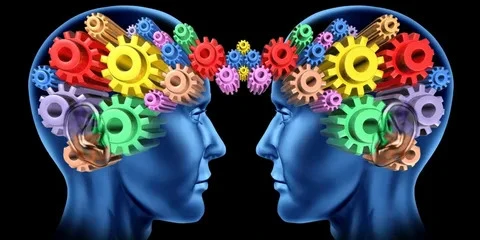

Welcome to Basic Psychology, where we delve into the fascinating world of human behavior and mental processes. Today we\'ll explore a fascinating intersection: neuroscience psychology. This field brings together the complex workings of the brain with our thoughts, emotions, and behaviors, providing deep insights into how we think, feel, and behave. Embark on a journey to understand how neuroscience and psychology converge to shed light on the mysteries of the human mind.
What is Neuroscience Psychology?
Neuropsychology, often referred to as neuropsychology, is an interdisciplinary field that integrates principles of neuroscience and psychology to study the structure and function of the brain in relation to behavior and cognitive processes. It explores how brain injuries, diseases, and disorders affect our mental functions and behavior, and how our thoughts and emotions can, in turn, affect brain function.
The Brain: The Ultimate Command Center
At the heart of neuropsychology is the brain, an incredibly complex organ that regulates every aspect of our mental and emotional life. The brain is made up of billions of neurons that communicate through complex networks to process information, control bodily functions, and generate our experiences.
Brain Structures and Functions
Different areas of the brain are responsible for different functions. For example:
Prefrontal Cortex
This area is important for decision making, planning, and social behavior.
Hippocampus
Essential for memory formation and spatial navigation.
Amygdala: Plays a key role in processing emotions such as fear and pleasure.
Neurotransmitters: Chemical messengers such as dopamine, serotonin, and norepinephrine facilitate communication between nerve cells, influencing mood, cognition, and behavior. Imbalances of these chemicals are often associated with psychological conditions such as depression and anxiety.
How Neuroscience and Psychology Intersect
Neuropsychology aims to understand how neural processes support psychological phenomena. Here\'s how the two fields intersect:
Cognitive Functions
Neuropsychology research investigates how brain functions, such as attention, memory, and problem solving, relate to cognitive processes. For example, neuroimaging studies have shown how different areas of the brain are activated during tasks that require concentration or memory retrieval.
Mental Health Disorders
Many mental disorders have a neurological basis. For example, schizophrenia, bipolar disorder, and major depressive disorder are associated with abnormalities in brain structure and neurotransmitter systems. By studying these links, researchers can develop more effective treatments and interventions.
Brain Injury and Rehabilitation
Neuropsychology helps us understand the effects of brain injuries, such as those caused by stroke or traumatic brain injury, on cognitive and emotional functions. This understanding is critical to developing rehabilitation strategies that help people regain lost function and adapt to changes.
Research Methods in Neuropsychology
Neuropsychology uses several research methods to explore the relationships between the brain and behavior:
Neuroimaging
Techniques such as functional magnetic resonance imaging (fMRI) and positron emission tomography (PET) allow scientists to visualize brain activity and structure in real time. These tools help identify which areas of the brain are involved in specific cognitive tasks or emotional responses.
Electrophysiological Studies
Electroencephalography (EEG) measures electrical activity in the brain, providing information about brain wave patterns associated with different mental states.
Neuropsychological Testing
This involves assessing cognitive functions through standardized tests to understand how brain damage or dysfunction affects behavior and cognition.
The Future of Neuropsychology
The future of neuropsychology offers exciting possibilities. Technological advances, such as more advanced neuroimaging techniques and brain-computer interfaces, are expected to provide deeper insights into brain function.











Sign in to leave a comment.