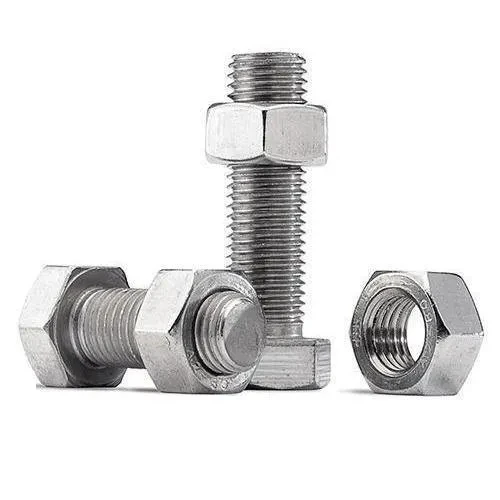

When it comes to high-performance materials used in engineering and manufacturing, Nickel Alloy 200 bolts stand out for their strength, corrosion resistance, and versatility. These bolts are essential in industries where performance and reliability are critical. Whether you're in the chemical, aerospace, or marine industry, Nickel Alloy 200 bolts offer a range of benefits that make them an excellent choice for various applications. In this blog post, we’ll explore what makes Nickel Alloy 200 bolts so special, their advantages, and the industries that rely on them.
What is Nickel Alloy 200?
Nickel Alloy 200 is a commercially pure nickel with a high level of purity, usually around 99.6%. This alloy offers outstanding resistance to corrosion, especially in reducing environments, and has excellent thermal and electrical conductivity. The primary element in the alloy is nickel, with minimal amounts of carbon, iron, and other trace elements. The unique composition gives Nickel Alloy 200 bolts a set of characteristics that make them ideal for demanding applications.
Key Features of Nickel Alloy 200 Bolts
- Corrosion Resistance: Nickel Alloy 200 bolts are known for their excellent resistance to corrosion, especially in alkaline and neutral environments. They also perform well in water, including fresh water, seawater, and brine solutions. This resistance to corrosion makes them a top choice for applications in harsh environments such as chemical processing, marine operations, and food processing.
- Strength and Durability: Nickel Alloy 200 bolts are tough and have a good tensile strength, making them suitable for high-stress applications. The alloy's resistance to stress corrosion cracking and its ability to maintain its strength at elevated temperatures further enhance its durability. This makes it a reliable option for industries where bolts are subjected to continuous stress.
- High Temperature Performance: While not as heat-resistant as some other high-temperature alloys, Nickel Alloy 200 can withstand temperatures up to 600°F (315°C) without significant loss of strength. This makes it suitable for medium-temperature applications, including heat exchangers and various industrial machinery.
- Electrical Conductivity: With its high nickel content, this alloy also boasts excellent electrical conductivity, which is an essential characteristic in certain electrical applications.
- Malleability and Workability: Nickel Alloy 200 bolts are easily fabricated and can be formed into different shapes without losing their strength or integrity. This ease of fabrication allows for complex designs and is often beneficial when custom bolts or specific threading are required.
Applications of Nickel Alloy 200 Bolts
The versatility of Nickel Alloy 200 bolts makes them applicable across a wide range of industries:
- Chemical Processing: One of the most prominent uses for Nickel Alloy 200 bolts is in chemical processing. Its resistance to corrosion from chemicals like acids, alkalis, and salts makes it ideal for reactors, tanks, and other components in the chemical industry.
- Aerospace: Nickel Alloy 200 bolts are also widely used in aerospace applications. They provide high performance and reliability in critical systems that require resistance to corrosion and heat, such as in engine components and structural elements.
- Marine Industry: The marine industry benefits from the alloy’s resistance to corrosion in seawater. Nickel Alloy 200 bolts are frequently used in shipbuilding, underwater pipelines, and other applications exposed to the harsh marine environment.
- Food Processing: Because of its corrosion resistance and non-toxic nature, Nickel Alloy 200 bolts are often used in food processing equipment, ensuring that there is no contamination or degradation over time.
- Electrical and Electronics: Nickel Alloy 200’s excellent electrical conductivity makes it a good option for applications in electrical systems, including electrical connectors and components that must maintain performance under stressful conditions.
Advantages of Nickel Alloy 200 Bolts
- Longer Lifespan: The corrosion-resistant properties of Nickel Alloy 200 bolts increase their lifespan in harsh environments, reducing the need for frequent maintenance or replacements.
- Cost-Effectiveness: While Nickel Alloy 200 bolts might be slightly more expensive than standard steel bolts, their durability and corrosion resistance ultimately save money by reducing the need for frequent repairs and replacements.
- Adaptability to Extreme Conditions: Nickel Alloy 200 bolts are well-suited for applications in extreme environments, whether exposed to extreme temperatures, chemicals, or corrosive environments.
Conclusion
Nickel Alloy 200 bolts are a top choice for industries that demand strength, durability, and corrosion resistance. Their high nickel content, combined with excellent performance in a range of environments, makes them ideal for applications in chemical processing, aerospace, marine, and food industries. Although they may come with a higher initial cost, the longevity and performance of these bolts often result in cost savings in the long run.
By choosing Nickel Alloy 200 bolts, businesses can ensure that their equipment, machinery, and structures are securely fastened and able to withstand the most demanding conditions. If you're looking for bolts that offer superior resistance to corrosion and can handle high-stress situations, Nickel Alloy 200 is a reliable solution.



























Sign in to leave a comment.