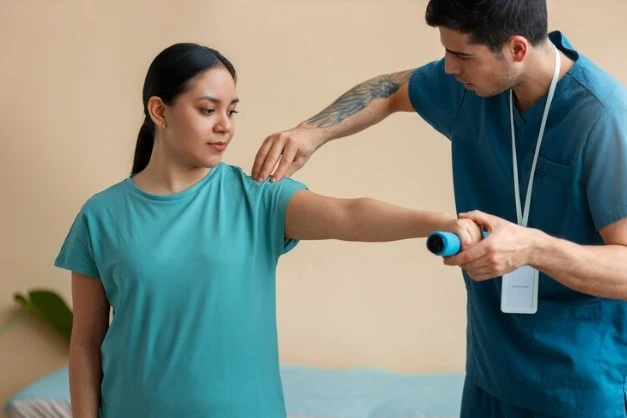

A physiotherapy degree is a significant commitment that involves rigorous academic study and practical training. Prospective students often have questions about the duration of the program, which can vary depending on various factors. This blog explores the typical duration of a physiotherapy degree, what influences it, and what students can expect during their educational journey.
What is a Physiotherapy Degree?
Before diving into the duration, it\'s essential to understand what a physiotherapy degree entails. Physiotherapy is a healthcare profession focused on helping patients recover from injuries, surgeries, or illnesses that affect their movement and function. A physiotherapist assesses a patient\'s condition, develops a treatment plan, and uses exercises, manual therapy, and other techniques to improve mobility and manage pain.
Typical Duration of Physiotherapy Degree Programs
The duration of a physiotherapy degree program varies globally and can depend on several factors, including the country of study, the level of the degree (undergraduate or graduate), and whether the program includes clinical placements. Here’s a general breakdown:
Undergraduate Programs:
- Bachelor\'s Degree (BPT/BPTh): In many countries, including the USA, UK, Canada, and Australia, a Bachelor of Physiotherapy (BPT) or Bachelor of Physical Therapy (BPTh) typically lasts for about 4 years.
- Integrated Master\'s Programs: Some universities offer integrated programs where students earn a Bachelor\'s and Master\'s degree in physiotherapy in 5 to 6 years.
Graduate Programs:
- Master\'s Degree (MPT/MPTh): In countries like Canada, India, and others, a Master of Physiotherapy (MPT) or Master of Physical Therapy (MPTh) program generally takes 2 years after completing a relevant undergraduate degree.
- Doctoral Programs: Advanced degrees like Doctor of Physiotherapy (DPT) or Doctor of Physical Therapy (DPT) are available in some countries and typically require 3 to 4 years of study after a bachelor\'s degree.
Factors Influencing Program Duration
Several factors can influence how long it takes to complete a physiotherapy degree:
Curriculum Requirements:
- Clinical Placements: Programs that include extensive clinical placements or internships may take longer to complete due to practical training requirements.
- Research Component: Research-focused programs may have additional coursework and thesis requirements that extend the duration.
Country-Specific Regulations:
- Accreditation: Programs accredited by national or regional physiotherapy boards may have specific curriculum requirements that affect program length.
- Licensing Requirements: In some countries, completion of a specific degree program is necessary to qualify for physiotherapy licensure, impacting program duration.
What to Expect During a Physiotherapy Degree Program
Studying physiotherapy involves a combination of classroom lectures, laboratory work, clinical placements, and practical training. Students typically study anatomy, physiology, biomechanics, pharmacology, and therapeutic techniques. Clinical placements provide hands-on experience under the supervision of licensed physiotherapists, preparing students for real-world practice.
Career Opportunities and Advancement
Upon completing a physiotherapy degree program and obtaining licensure, graduates can pursue various career paths in hospitals, clinics, rehabilitation centers, sports facilities, or private practice. Continuing education and specialization in areas like sports therapy, pediatric physiotherapy, or geriatric care can enhance career opportunities and professional growth.
Conclusion
In conclusion, the duration of a physiotherapy degree program varies depending on factors such as the level of the degree, country of study, and curriculum requirements. Whether pursuing an undergraduate or graduate degree, aspiring physiotherapists can expect a comprehensive education that blends theoretical knowledge with practical skills, preparing them for a rewarding career in healthcare. Understanding these aspects can help prospective students make informed decisions about their educational journey in physiotherapy.



























Sign in to leave a comment.