Introduction
Indoor air quality is often taken for granted. We routinely monitor smoke detectors, carbon monoxide, and even check water safety — but one invisible, odorless threat often slips under the radar: Radon. Radon is a naturally occurring, radioactive gas that can accumulate undetected inside homes, offices, schools, or other buildings. Without proper testing, occupants may live or work in radon-laden environments for years, potentially increasing their risk of serious health problems.
That’s where professional radon sampling comes in. Through careful measurement and assessment, radon sampling reveals whether radon concentrations have risen to dangerous levels — helping people take corrective measures to ensure healthier indoor environments. In this post, we explore what radon is, why radon sampling matters, how sampling is conducted, and what to do if test results indicate elevated levels. We also introduce services like those offered by Environmental Solutions, Inc. (ESI) can help you get accurate, compliant radon testing and expert guidance.
What is Radon — And Why It Matters
The Basics: What Is Radon?
Radon is a colorless, odorless, tasteless gas generated naturally from the decay of uranium in soil, rock, and water. Because it can’t be detected by human senses, many homeowners aren’t aware of its presence.
Under normal outdoor conditions, radon disperses quickly in the atmosphere and generally poses no threat. However — when radon enters a building and becomes trapped — especially in poorly ventilated spaces — it can build up to dangerous levels.
Health Risks Related to Radon Exposure
When radon accumulates indoors, breathing its radioactive particles over a prolonged period can damage lung tissue and increase the risk of lung cancer. Indeed, radon is a scientifically proven carcinogen.
Globally recognized health agencies — such as the World Health Organization (WHO) and the Centers for Disease Control and Prevention (CDC) — note that there is no “safe” radon threshold that guarantees zero risk. They recommend that individuals test their indoor air and take action if radon levels are elevated.
Why Radon Sampling — Not Just Guesswork — Is Crucial
Given radon’s invisibility and the serious health risks associated with exposure, guessing or ignoring the threat is risky. Only through formal radon sampling can you get accurate, reliable data. Especially for homeowners, property managers, real estate transactions, or workplaces — radon sampling offers the only practical way to find out whether an indoor environment is safe or needs mitigation.
What Does Radon Sampling Involve?
Overview of Sampling Methods
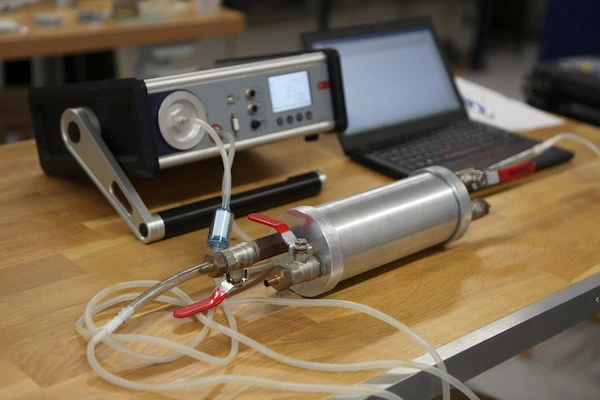
Radon sampling involves placing detectors or sampling devices in strategic locations within a building — often at the lowest level (basement, ground-floor), where radon tends to accumulate, because it seeps from soil into the building’s foundation.
There are two broad categories of testing:
- Short-term tests: Usually last from 2–7 days. They’re quick and inexpensive, giving a snapshot of radon levels within a short window.
- Long-term tests: Run for several weeks to months. These provide a more accurate picture of radon exposure over time and are generally recommended for making major decisions (like home purchases or mitigation).
Because radon levels can fluctuate depending on weather, season, ventilation, and many other factors, long-term testing is considered more reliable.
Why Professional Sampling Matters
While do-it-yourself radon kits exist, professional radon sampling — such as services provided by Environmental Solutions, Inc. — offers significant advantages:
- Use of calibrated, sensitive sampling equipment.
- Knowledge of proper placement for detectors to avoid false readings (e.g. away from windows, doors, ventilation shafts).
- Skilled interpretation of results — accounting for building design, air-flow patterns, geology — which reduces the chance of false positives or false negatives.
- Official documentation and reports, which can be vital in real estate transactions, insurance claims, or compliance with regulatory guidelines.
Moreover, a professional service often includes follow-up guidance on mitigation, remediation, or further testing if radon levels are high — helping building owners take timely, responsible action.
When Should You Get Radon Sampling Done?
1. When Buying or Renting a Home or Building
Many buyers or renters underestimate radon risk — especially if a property appears new or well-built. But radon can affect any building, regardless of age or design.
If you’re going through a property purchase or lease, radon sampling should be part of due diligence. A report indicating elevated radon levels could influence price negotiations, prompt installation of mitigation measures, or help landlords/owners understand liability.
2. For Homes with Basements, Crawlspaces, or Poor Ventilation
Because radon enters from the soil and tends to collect in lower levels of a building, homes with basements or crawlspaces are particularly vulnerable — especially if ventilation is inadequate.
Even well-sealed, energy-efficient homes are not immune: as insulation makes buildings tighter, radon can accumulate undetected if ventilation is insufficient.
3. After Renovations or Structural Changes
Structural changes — new flooring, basement finishing, sealing cracks, or changing HVAC/ventilation — can alter air-flow dynamics and thus radon concentration. After such changes, a fresh radon sampling is wise to verify indoor air remains safe.
4. As Part of Periodic Indoor Air Quality Checks
If you manage multiple properties — rentals, offices, or communal living spaces — periodic radon sampling helps ensure ongoing safety. Long-term exposure to even moderately elevated radon levels can increase health risk, so regular testing (e.g., every few years) is prudent.
Understanding Radon Test Results: What’s “Safe,” What’s Risky
Interpreting Radon Levels
Radon concentrations are commonly expressed in units like becquerels per cubic meter (Bq/m³) or picocuries per liter (pCi/L).
While different countries or agencies may set different “action levels,” a widely accepted benchmark (in many jurisdictions) is when radon levels exceed certain thresholds — indicating the need for mitigation or further testing.
Because no radon level is guaranteed “safe”, many experts recommend aiming for the lowest possible indoor radon concentration.
Factors That Affect Test Results
- Season and ventilation: Radon levels often rise during colder months, when buildings are sealed and ventilation is reduced.
- Building age & design: Foundations with cracks, poor sealing, or inadequate sub-slab ventilation may let in more radon.
- Geology / soil composition: Areas with uranium-rich soil or rock are naturally more prone to radon seepage.
- Occupancy and use patterns: Basements or rooms that are seldom used but poorly ventilated may hold high radon concentrations.
Because of this variability, long-term sampling and periodic retesting provide the most reliable data for decision-making about mitigation.
What to Do If Radon Levels Are Elevated
Confirm with a Follow-Up Test
If a short-term test shows high radon concentration — don’t panic. It's wise to confirm with a long-term test or hire professionals for comprehensive sampling to get an accurate picture over time.
Consider Mitigation Measures
If confirmed elevated levels persist, several mitigation strategies are common:
- Improve ventilation (e.g. mechanical ventilation, exhaust fans, air exchangers).
- Seal foundation cracks, gaps, or other radon-entry points (e.g. sump pits, floor-wall junctures).
- Install a radon mitigation system (e.g. sub-slab depressurization, soil suction, ventilation systems).
These measures can significantly reduce indoor radon levels and cut long-term health risks.
Periodic Retesting
Even after mitigation, periodic radon sampling is important — especially if building use, ventilation, or structure changes. Monitoring ensures that the mitigation system remains effective and that radon levels stay within safe limits.
Why Professional Radon Sampling Services Are a Smart Choice
Expertise & Certification Matter
Professionals — like those at Environmental Solutions, Inc. — are often certified by third-party bodies and trained to understand building science, geology, and indoor air quality nuances. ESI, for example, lists radon sampling among their core services.
They bring not only equipment but also decades of experience in inspections, testing, and environmental assessments across different building types — from residential homes to commercial properties. Their expertise helps ensure accurate, legally defensible testing and reporting.
Official Reports & Documentation
Whether you’re buying or selling property, managing rentals, or handling insurance, a professionally generated radon sampling report carries weight. It demonstrates due diligence, helps assess liability, and can guide mitigation decisions.
Integrated Services: Beyond Just Radon
Professional environmental-testing firms often offer a suite of related services — such as mold inspections, asbestos/lead sampling, VOC testing, water quality testing, and indoor air quality assessments. For property managers, homeowners, or real estate professionals — this makes them a one-stop solution for overall environmental safety.
Why Now is the Right Time: Rising Awareness and Regulatory Pressure
In recent years, awareness about indoor air quality — including radon exposure — has increased globally. Health agencies and environmental organizations emphasize radon as one of the leading causes of lung cancer among non-smokers.
For building owners, landlords, or facility managers — this growing awareness means radon sampling is no longer optional. It’s fast becoming a necessary part of property management, compliance, and responsible occupancy.
Even if you’re not in a known “radon-prone” region, geology beneath the ground can vary, and individualized radon sampling remains the only reliable way to know your risk.
How a Trusted Provider Handles Radon Sampling — What to Expect
Using a legitimate, experienced environmental-testing company, such as Environmental Solutions, Inc., ensures you get thorough, professional service. Here’s typically how it works:
Initial Consultation — You contact them via phone or email (see contact details below).
On-site Walkthrough & Planning — Experts inspect your building layout, foundation, ventilation system, and likely radon entry points.
Sampling Device Placement — Detectors or sampling devices are placed strategically (e.g. basement, ground floor, low-ventilation zones).
Sampling Period — Depending on the package, this may include short-term (2–7 days) or long-term (weeks to months) sampling.
Laboratory Analysis & Reporting — Collected samples are analyzed by certified laboratories; detailed reports are generated.
Interpretation & Recommendations — Based on results, the provider offers mitigation advice (if needed), remediation plans, and follow-up guidelines.
Follow-up / Periodic Retesting — To ensure ongoing safety, periodic retesting is recommended — especially after structural changes or renovations.
For example, Environmental Solutions, Inc. highlights radon sampling among their services on their site.
Frequently Asked Questions (FAQ)
Is radon only a problem in older homes or basements?
No. Radon can affect any structure — old or new, small or large — especially if the building is tightly sealed or has poor ventilation. The key driver is soil and underlying geology, not necessarily age.
If I tested once and levels were low, do I need to test again?
Yes — especially if seasons change, you seal the home for winter, renovate, or change ventilation. Radon levels fluctuate, and periodic retesting ensures safety over time.
Are DIY radon testing kits reliable?
DIY kits can provide a basic indication — but they often lack the sensitivity, calibration, and placement expertise of professional testing. For decisive results (real estate, liability, health), professional radon sampling is strongly recommended.
What if my radon levels exceed recommended limits?
Don’t panic — but act. Confirm with a long-term test, consult a professional remediation service, and consider installing mitigation systems (e.g., sub-slab depressurization, improved ventilation, sealing).
Who should consider radon sampling?
- Homeowners (especially in basements or crawlspaces)
- People buying or renting a property
- Property managers or landlords managing multiple units
- Real estate professionals prior to sale or lease
- Schools, offices, and commercial buildings
- Anyone concerned about indoor air quality or long-term health of occupants
Conclusion
Radon may be invisible, but its effects aren’t. Long-term radon exposure is a serious health risk, yet one that many homeowners and building managers overlook. Through professional radon sampling — and, when needed, prompt mitigation — you can transform an unseen danger into a measurable, manageable problem.























Sign in to leave a comment.