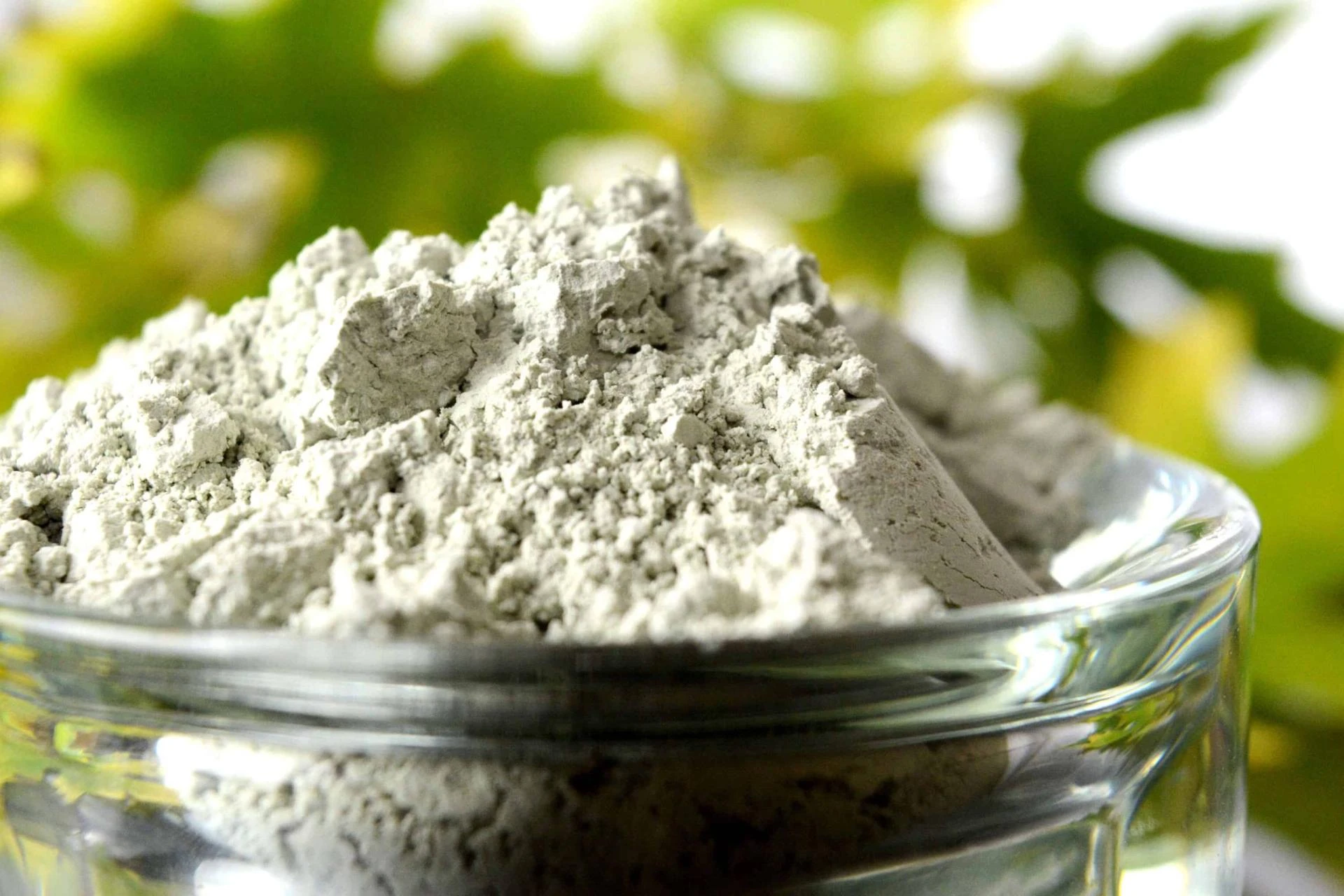

Silica powder, a versatile and ubiquitous material, plays a crucial role in various industries owing to its unique composition and desirable characteristics. In this comprehensive exploration, we delve into the intricacies of silica powder, examining its composition, distinctive features, and the profound impact it has on diverse industrial applications.
Composition of Silica Powder:
Silica powder is primarily composed of silicon dioxide (SiO2), a compound that exists in nature as quartz. The powder form is achieved through meticulous processing methods, ensuring a fine and uniform particle size. The high purity of silica powder, often exceeding 99%, makes it a valuable material in numerous industrial processes.
Characteristics of Silica Powder:
High Heat Resistance:
Silica powder exhibits exceptional heat resistance, making it indispensable in applications involving extreme temperatures such as foundry casting and refractory materials.
Abrasion Resistance:
Its hardness and abrasion resistance contribute to its use in manufacturing processes like polishing and grinding.Dielectric Properties:
Silica powder's dielectric properties make it essential in the production of electronic components and insulating materials.Chemical Inertness:
The material is chemically inert, ensuring stability in various chemical environments and making it suitable for applications in the pharmaceutical and food industries.Industrial Significance:
Silica powder finds application across diverse industries, and its significance is evident in the following sectors:
Construction and Concrete Industry:
Silica powder enhances the strength and durability of concrete, making it a vital component in construction projects.Cosmetics and Personal Care Products:
Its use in cosmetics as a thickening agent and absorbent reflects its role in maintaining product stability.Semiconductor Manufacturing:
Silica powder's purity and dielectric properties contribute to its use in semiconductor production, a critical aspect of modern electronics.Rubber and Plastics Industry:
As a reinforcing filler, silica powder improves the mechanical properties of rubber and plastic products.Pharmaceuticals:
In pharmaceuticals, silica powder serves as a flow agent and desiccant, contributing to the production of high-quality medications.Applied Physics USA – Pioneering Innovations in Silica Powder Applications:
The advancement and optimization of silica powder applications owe much to the realm of applied physics. Researchers and experts at Applied Physics USA continuously explore novel methods, leveraging the principles of physics to enhance the properties and applications of silica powder. From refining manufacturing processes to exploring cutting-edge applications, Applied Physics USA remains at the forefront of driving innovation in the utilization of silica powder across various industries.
Conclusion:
In conclusion, understanding silica powder's composition, characteristics, and industrial significance unveils its pivotal role in numerous sectors. As industries continue to evolve, Applied Physics USA stands as a beacon of innovation, driving advancements in the field of applied physics and contributing to the enhanced utilization of silica powder in diverse applications.
(Call to Action):
Explore the boundless possibilities of silica powder applications with Applied Physics USA! Harnessing the power of applied physics, we pioneer innovative solutions to elevate the industrial significance of silica powder. Contact us today to discover how our expertise can propel your industry into the future.










Sign in to leave a comment.