Introduction
Noise is present around us every day, whether in cities or even in relatively quiet neighbourhoods. Evaluating noise levels has become essential for maintaining safety, well-being, and compliance with regulations. Sound level meters provide accurate measurements. They help individuals and organisations measure noise and make informed decisions. Various sectors can benefit from understanding sound level meters and their applications.
1. Basics of Sound Level Meters
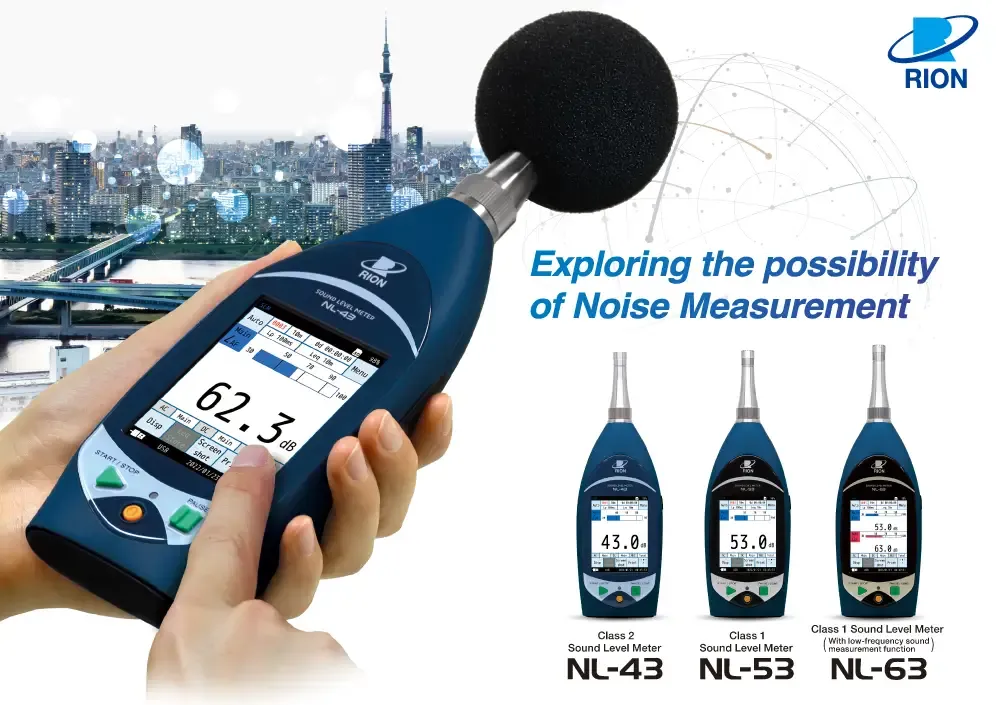
Sound level meters are tools that measure the loudness of sounds, usually expressed in decibels. Choosing a reliable sound level meter in Australia ensures accurate measurements for both professional and personal use. They use a microphone to detect pressure variations in the air caused by noise. An internal system converts these signals into readable values. While different models may have varying features, their core function remains the same. Proper calibration and usage are essential for accurate readings.
2. Key Components
A sound level meter typically consists of three main parts: a microphone, a display screen, and electronic circuits. The microphone detects sound waves and converts them into electrical signals. The circuitry analyses these signals. The results are displayed clearly, usually in decibels. Some meters can also store data or offer connectivity features. All components work together to ensure accurate measurement.
3. How Sound Is Measured
Sound level meters measure noise based on fluctuations in air pressure. These fluctuations are often subtle and require sensitive instruments to detect them. Sound is commonly measured in decibels, which indicate the intensity of the noise. Higher readings represent louder sounds. These devices can provide instant readings or calculate average noise levels over time.
4. Types of Sound Level Meters
There are various types of sound level meters designed for different purposes. Basic models are suitable for general noise assessments. Advanced meters can analyse frequency or record historical data. Some are portable for short-term measurements, while others are fixed in one location for continuous monitoring. The choice depends on the intended application and required accuracy.
5. Applications in Occupational Health
Factories and various workplaces can produce harmful noise levels. Workers may be at risk of hearing loss and other health issues due to prolonged exposure to loud sounds. Employers use sound level meters to assess noise levels and implement safety measures. Regular monitoring is often required to ensure workplace safety and compliance with regulations.
6. Environmental Monitoring
Sound level meters are widely used to assess noise in neighbourhoods. Increased noise levels may result from traffic, construction, or recreational activities. This data helps identify sources of disturbance and supports enforcement of local regulations. Noise studies also assist in urban planning and development projects. Accurate measurements enable authorities to make informed decisions.
7. Uses in Event Management
Events such as concerts, festivals, and sporting activities can generate high noise levels, affecting both attendees and nearby residents. Event organisers use sound level meters to monitor noise on-site. This helps ensure compliance with local regulations and reduces the likelihood of complaints. Proper sound management improves the overall experience for attendees while maintaining community responsibility.
8. Educational and Research Purposes
Sound level meters are also used in schools, universities, and research institutions. They help students learn about acoustics, physics, and environmental science through practical measurement. Researchers collect data for studies related to hearing, communication, and urban environments. These applications support learning, research, and innovation.
9. Selecting the Right Meter
Choosing the right sound level meter depends on its intended use, required accuracy, and features. Some applications only require basic measurements, while others may need data logging or frequency analysis. Budget and ease of use are also important considerations. Comparing specifications helps users select the most suitable device for their needs.
Conclusion
Sound level meters play an important role in everyday life. These devices provide valuable insights, from workplace safety to scientific research. Understanding how they function and where to use them helps individuals and organisations manage noise more effectively. Well-maintained sound level meters contribute to safer, healthier, and more comfortable environments. Proper maintenance according to manufacturer guidelines also extends the lifespan and durability of the device.
























Sign in to leave a comment.