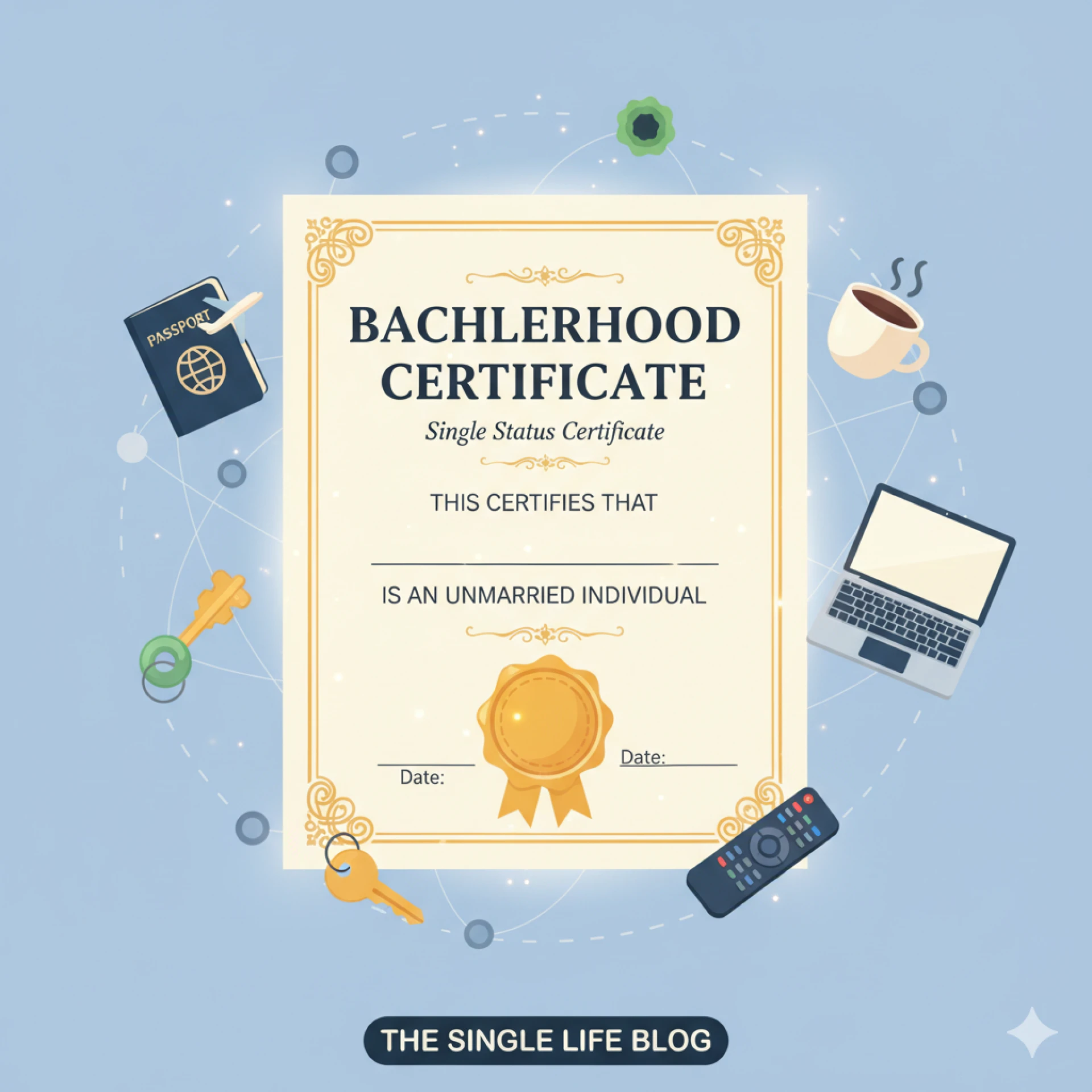
When it comes to international marriages or visa documentation, NRIs often face unexpected legal hurdles. One such requirement that frequently confuses applicants is the bachelorhood certificate. This official document, though simple in concept, plays a critical role in validating your single status when marrying abroad or applying for certain visas.
If you’re an Indian living overseas and need to understand how this certificate works, how to obtain it, and what documents are involved, this guide will walk you through everything step by step. You’ll also learn how to get a bachelorhood certificate in India efficiently — whether you’re applying locally or through an Indian embassy abroad.
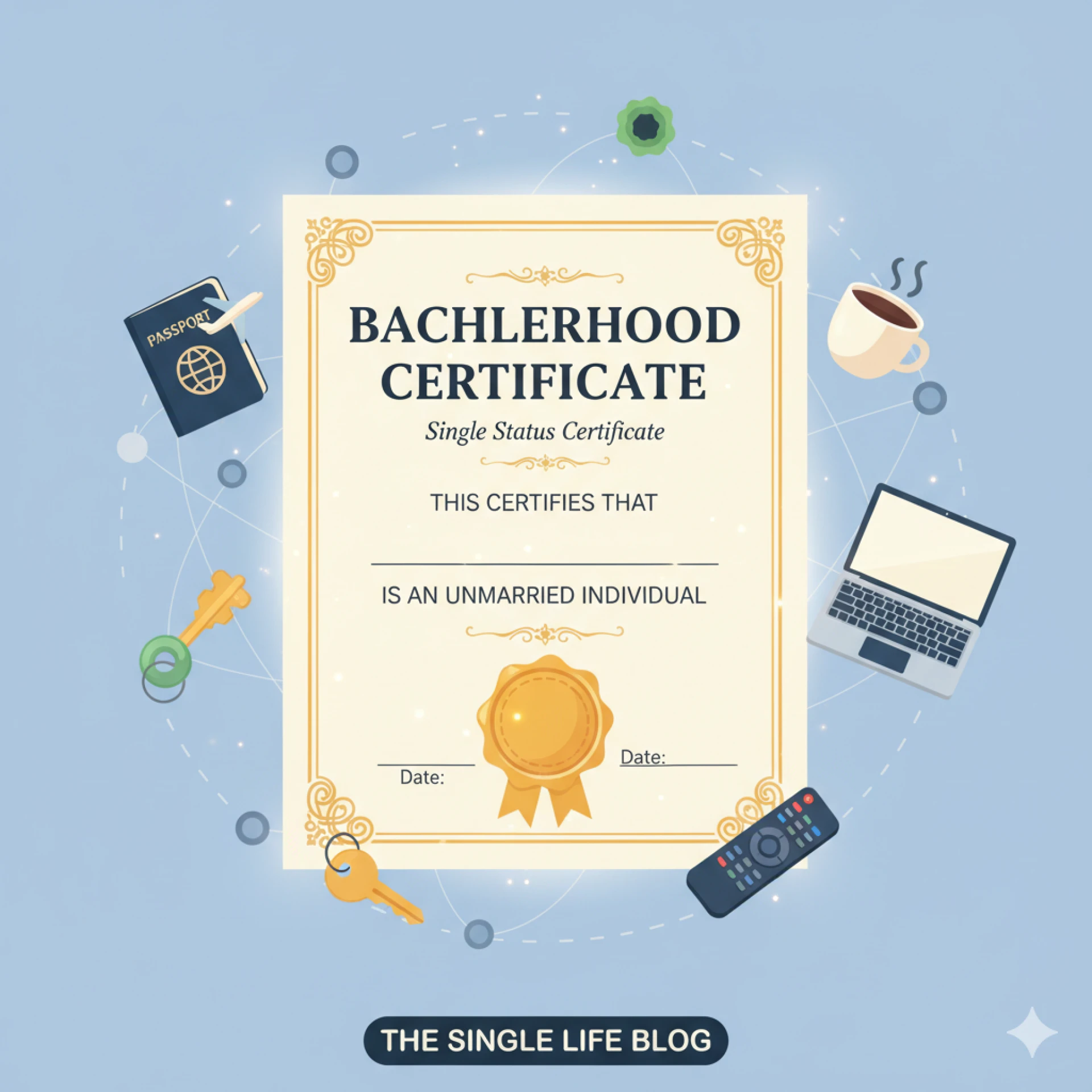
What Is a Bachelorhood Certificate?
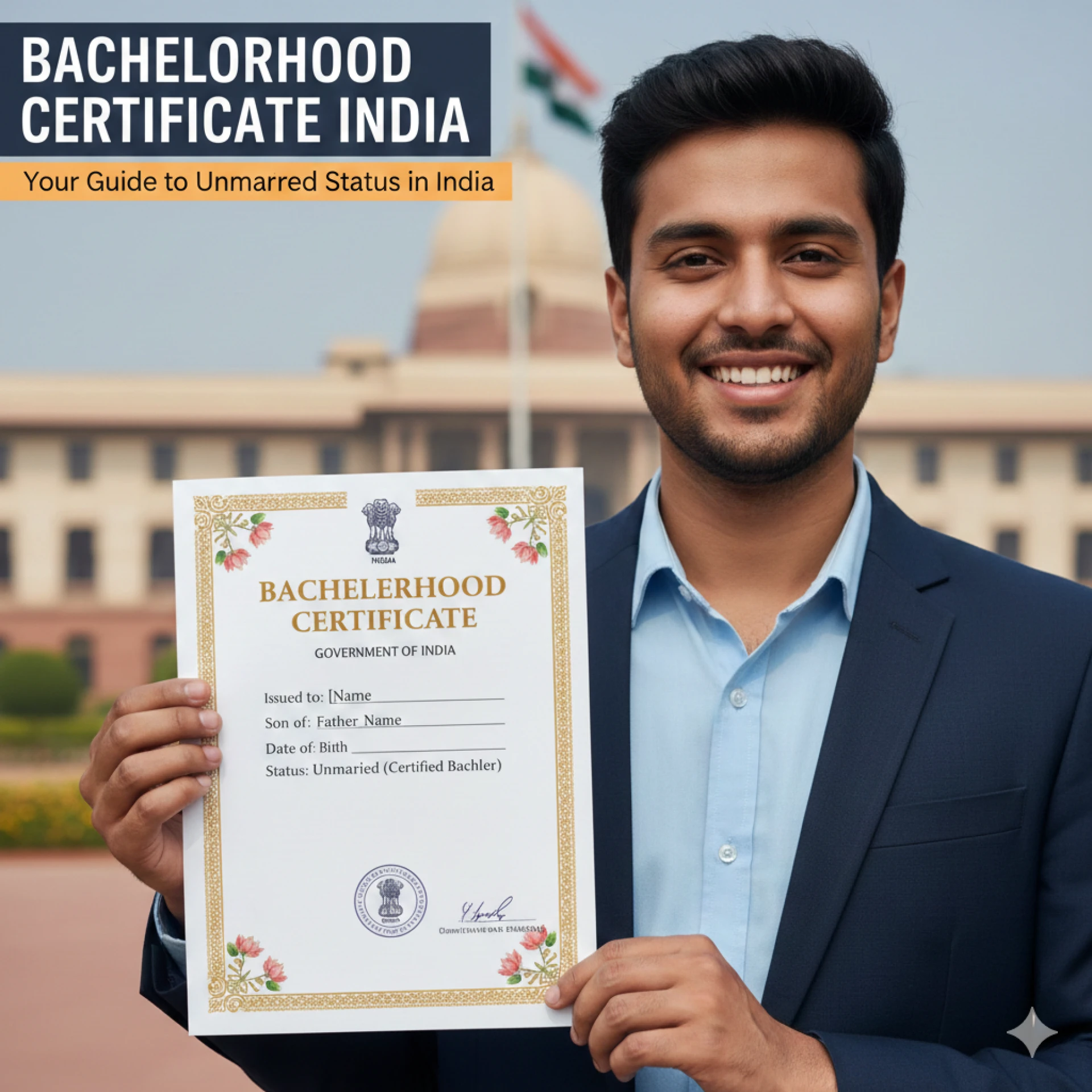
A bachelorhood certificate serves as legal proof that you have never been married under Indian law. Many foreign governments and immigration departments ask for this certificate to verify that the applicant is legally single and eligible for marriage or residency approval.
This certificate is sometimes referred to as a single status certificate or certificate of celibacy in other countries. The purpose remains the same — to confirm your unmarried status before processing your marriage registration, dependent visa, or residency permit abroad.
For NRIs, this document holds particular importance because it’s frequently requested during inter-country marriage registrations, spousal visa applications, and even certain government-related verifications overseas.
Why Is a Bachelorhood Certificate Important for NRIs?
If you plan to marry a foreign national or register your marriage outside India, the local authorities in that country will likely ask for official confirmation that you’re single. A bachelorhood certificate provides that assurance.
Without it, your marriage application may face legal delays or rejection. Similarly, several countries require this document when applying for spouse or family visas, ensuring no existing marital obligations exist in another jurisdiction.
For instance, Indian citizens getting married in countries like the UAE, Canada, or the UK often need to submit a notarized and attested bachelorhood certificate from India. It assures foreign governments that the applicant is not already legally married elsewhere.
Required Documents for Applying
To obtain your bachelorhood certificate, you’ll need to gather a specific set of documents. Although the list can vary slightly depending on your local authority, the most common requirements are:
- Valid Indian Passport (original and copies)
- Proof of Address such as Aadhaar card, voter ID, or utility bill
- Birth Certificate
- Affidavit of Bachelorhood (declaring you have never been married)
- Passport-sized photographs
- Embassy or local authority’s request letter (if applicable)
For NRIs, an additional requirement may include proof of residency abroad, such as a visa, work permit, or OCI card.
Step-by-Step Process to Get a Bachelorhood Certificate in India
If you are currently in India, here’s the standard procedure you’ll need to follow:
1. Draft a Bachelorhood Affidavit:
Start by drafting an affidavit on non-judicial stamp paper clearly stating that you are unmarried. The affidavit must mention your full name, date of birth, passport details, and current address. Once completed, have it signed before a notary public or Executive Magistrate.
2. Submit for Local Verification:
After notarization, submit your affidavit to your local police station or Sub-Divisional Magistrate (SDM) for verification. Authorities might contact your neighborhood or family to confirm your marital status.
3. Submit to the Home Department or District Magistrate:
Once verified, the affidavit and all supporting documents must be submitted to the District Magistrate or the Home Department in your state. After verification, an official bachelorhood certificate will be issued.
4. MEA Attestation and Apostille:
If you need to use this certificate abroad, it must be attested by the Ministry of External Affairs (MEA). Depending on your destination country, you’ll either need an Apostille stamp (for Hague countries) or embassy legalization (for non-Hague nations such as the UAE or Qatar).
5. Collect the Final Certificate:
Once all steps are complete, you can collect your finalized, attested bachelorhood certificate and use it for marriage or visa purposes internationally.
How NRIs Can Obtain It from Abroad
If you’re currently outside India, don’t worry — you can still apply for this certificate through your nearest Indian Embassy or Consulate. Here’s how:
- Visit your nearest Indian Consulate
- Prepare and sign an affidavit declaring that you’ve never been married.
- Submit your passport, visa/residence permit, and proof of address abroad.
- The consulate will verify your details and, if required, contact the authorities in your hometown in India.
- Once the verification is complete, the embassy will issue or attest your bachelorhood certificate, making it valid for submission in your country of residence.
This process allows NRIs to obtain their certificate without needing to travel back to India.
Common Challenges and How to Avoid Them
Applicants often face delays or rejections due to incomplete or incorrect submissions. Here are some common pitfalls to avoid:
- Missing attestation from a notary or SDM.
- Inconsistent personal details between documents.
- Failing to get police verification when required.
- Submitting outdated affidavit formats.
- Forgetting to obtain embassy legalization for international use.
Always confirm the latest format and documentation requirements with your local SDM office or the concerned embassy before starting the application.
Difference Between Bachelorhood Certificate and Affidavit of Unmarried Status
While both documents serve a similar purpose, they differ in authenticity. An Affidavit of Unmarried Status is a self-declaration, while the bachelorhood certificate is an officially verified document issued by government authorities after due process and attestation.
For international marriage or visa applications, the latter is always preferred since it carries official verification and embassy-level authentication.
Apostille, Attestation, and Embassy Legalization — Simplified
For a document to be valid overseas, it must go through multiple levels of authentication:
- Notary Public Verification – Confirms the affidavit’s authenticity.
- SDM or Magistrate Attestation – Adds local administrative approval.
- Home Department Verification – Required in many states.
- MEA Attestation – Mandatory for international use.
- Embassy or Consulate Legalization – Required for countries not part of the Hague Convention.
Skipping any of these steps may lead to your document being rejected by foreign authorities.
Tips to Speed Up the Process
- Double-check all spellings and document details.
- Prepare your affidavit in English unless otherwise required.
- Get digital copies of all notarized and attested documents.
- Consult a professional to draft your affidavit correctly.
- Apply well before your intended marriage or visa date to allow enough processing time.
These small precautions can save you from significant delays later.
Can You Apply Through Authorized Representatives?
Yes. If you’re an NRI and can’t be physically present in India, you can authorize someone in India to apply on your behalf through a Power of Attorney. The representative can complete the verification, attestation, and submission process locally. However, make sure your Power of Attorney is properly attested and legalized by the Indian Embassy in your country before sending it to India.
Conclusion: Make the Process Simple with the Right Guidance
Acquiring a bachelorhood certificate might appear complex, but with the right preparation and step-by-step approach, the process becomes manageable. For NRIs balancing work and life abroad, handling paperwork in India can be challenging — but with proper guidance and professional help, it’s absolutely achievable.
If you’re uncertain where to begin or need expert assistance on how to get a bachelorhood certificate in India, you can rely on India For NRI. The platform specializes in helping NRIs with documentation, property management, and legal formalities — ensuring every process is smooth, verified, and completed without unnecessary travel.





























Sign in to leave a comment.