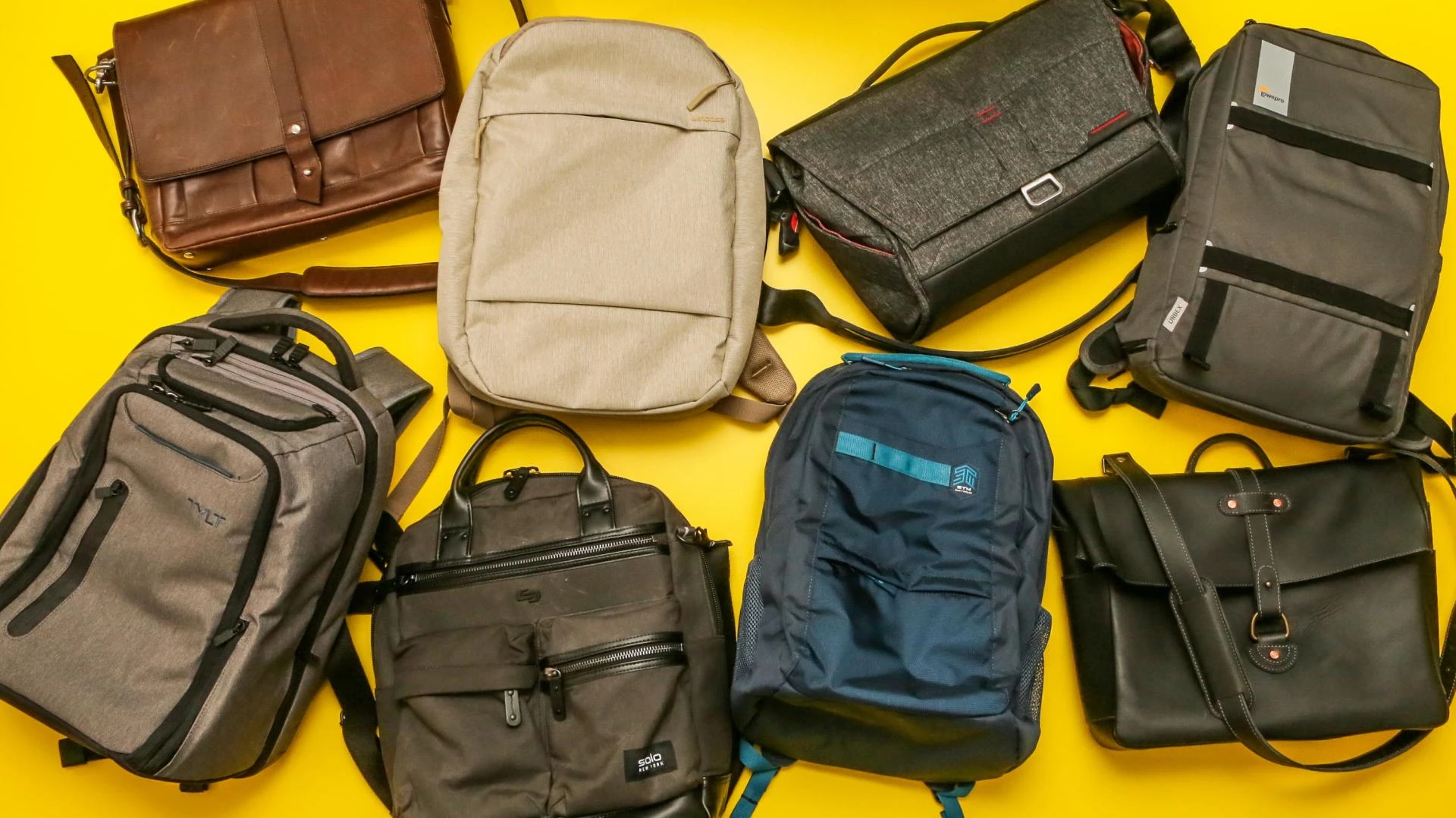

For businesses entering the backpack industry whether you're launching a new brand or sourcing products for wholesale it's important to understand how the manufacturing process works behind the scenes. Working with a backpack manufacturer involves several stages, from initial design to final delivery. Gaining insight into this process helps in making informed decisions, setting realistic timelines, and maintaining product quality when working with factories, suppliers, or vendors.
Product Concept and Technical Design
The manufacturing journey begins with a concept. This could be a sketch, a rough idea, or a detailed product specification. Most backpack manufacturers either accept ready-made tech packs or provide design assistance based on your input.
In this stage:
- Materials are selected (e.g., nylon, polyester, canvas)
- Features are defined (e.g., compartments, zippers, straps)
- Dimensions and use-case scenarios are mapped out (e.g., travel, school, hikingA strong design foundation ensures the final product meets functional and market expectations.
Material Sourcing and Component Selection
Once the design is finalized, the manufacturer begins sourcing the raw materials required for production. This typically includes the outer fabric, inner lining, foam padding, zippers (often from reputable brands like YKK for added durability), sliders, buckles, webbings, and reinforcement components. Each of these elements contributes to the backpack’s overall strength, comfort, and usability. Experienced factories usually work with a network of trusted material suppliers, which allows them to maintain consistent quality while optimizing costs — especially important when fulfilling bulk or wholesale orders.
Pattern Making and Fabric Cutting
Using CAD software, digital patterns are developed based on the approved sample. These patterns act as templates for fabric cutting. Automated or manual cutting methods are used depending on the production scale. Accurate cutting is critical for reducing waste and maintaining uniformity in wholesale orders.
Sewing and Assembly
The cut pieces are stitched together in an organized assembly line. Key tasks include:
- Attaching zippers, handles, and straps
- Stitching padded sections
- Reinforcing seams at stress points (often using bar-tacking)
Large-scale backpack factories may divide the process into specialized workstations to maintain speed and quality control.
Quality Control and Inspection
At multiple stages during production, quality checks are performed:
- Stitch alignment and thread strength
- Load and durability tests
- Logo placement and finishing accuracy
Some buyers choose to hire third-party inspectors to verify quality before shipping — especially for bulk or OEM orders.
Packing and Delivery
Once approved, the backpacks are packed according to client specifications — individual polybags, hang tags, labels, and carton boxes. From there, products are prepared for shipping based on agreed incoterms (FOB, EXW, etc.).
Factories typically provide shipping options via sea or air, and lead times can vary from 30 to 60 days, depending on the order size and complexity.
Conclusion
Understanding the full manufacturing process from design to delivery gives you better control over your product quality, budget, and timelines. Whether you're placing a small custom order or sourcing thousands of units for wholesale, working with a professional backpack manufacturer ensures your vision becomes a reliable, market-ready product.

























Sign in to leave a comment.