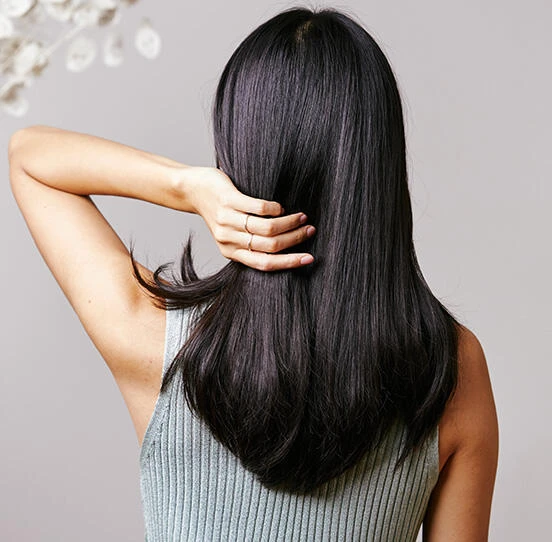

A flaky scalp is a common and often frustrating issue that affects many people. Those pesky white or gray flakes can be embarrassing and uncomfortable. But what's behind these flakes, and what causes a flaky scalp? In this guest post, we'll explore the various factors that contribute to a flaky scalp and offer insights into how to deal with this common condition.
Dry Skin:One of the most common causes of a flaky scalp is simply dry skin. Just like the skin on the rest of your body, your scalp can become dry when it lacks moisture. This can be due to various factors, including cold and dry weather, excessive shampooing, or the use of harsh hair products. Dry skin can lead to flakiness and itching.
Seborrheic Dermatitis:Seborrheic dermatitis is a prevalent skin condition that has the potential to impact the scalp. It's characterized by red, itchy, and flaky skin. This condition is often associated with an overgrowth of yeast on the skin, which can lead to inflammation and flakiness. Seborrheic dermatitis can be aggravated by stress, hormonal changes, or certain medications.
Psoriasis:Psoriasis is a chronic skin condition that can affect the scalp, leading to red, scaly, and itchy patches. Scalp psoriasis can result in a significant amount of flakiness, and the exact cause of this condition is not well understood. Genetics and the immune system play a role, but triggers can include stress, infections, or injury to the skin.
Contact Dermatitis:Contact dermatitis is an allergic reaction to hair care products or hair dyes. When you're allergic to a particular ingredient in a product, your scalp can become red, itchy, and flaky. Identifying the allergen and avoiding contact with it is the primary treatment for contact dermatitis.
Fungal Infections:Fungal infections, such as ringworm, can affect the scalp and cause flakiness. Ringworm is a contagious infection caused by a fungus and is characterized by itchy, red, and flaky patches on the skin. Antifungal treatments are typically used to address fungal scalp infections.
TineaCapitis:Tineacapitis is a fungal infection that specifically targets the scalp. It can lead to hair loss, redness, itching, and flakiness. This infection is more common in children but can affect people of all ages. Treating tineacapitis usually involves antifungal medications.
Excessive Oil Production:An overly oily scalp can also lead to flakiness. When your scalp produces too much oil, it can trap dead skin cells and create a breeding ground for yeast and fungi. This can result in dandruff and flakiness. Hormonal changes, genetics, and diet can influence the oil production of your scalp.
Stress:Stress is a common trigger for various skin conditions, including flaky scalps. When you're under stress, your body can react by increasing oil production and altering the skin's immune response, leading to flakiness and itchiness.
Diet and Nutrition:Your diet can influence the health of your skin, including your scalp. Nutrient deficiencies, such as a lack of essential fatty acids or zinc, can contribute to a flaky scalp. Ensuring you have a balanced diet with essential nutrients is essential for healthy skin.
Hair Care Practices:The way you care for your hair can also contribute to a flaky scalp. Using excessive hair products, overwashing your hair, or using very hot water can strip your scalp of its natural oils, leading to dryness and flakiness. Choosing gentle and sulfate-free hair care products can help.
Dealing with a Flaky Scalp:
The approach to dealing with a flaky scalp depends on the underlying cause. Here are some general tips for managing and preventing flakiness:
Use a gentle, moisturizing shampoo and conditioner.
Avoid excessive hair washing and the use of hot water.
Identify and avoid hair care products that trigger allergic reactions.
Manage stress through relaxation techniques and self-care.
Consider using over-the-counter or prescription dandruff shampoos if flakiness is due to dandruff or seborrheic dermatitis.
If your flaky scalp persists or is severe, consult a dermatologist to identify the specific cause and receive appropriate treatment.
Conclusion:
A flaky scalp can be uncomfortable and embarrassing, but understanding its causes is the first step in finding a solution. Whether it's dry skin, a skin condition, or external factors like hair care products, addressing the root cause is essential for managing and preventing flakiness. By following appropriate skincare and hair care practices, you can maintain a healthy and flake-free scalp.



Sign in to leave a comment.