
Understanding the Difference Between Gold Bars and Gold Coins
When it comes to investing in precious metals, two of the most popular choices are gold bars and gold coins. Both have their unique advantages and serve as excellent hedges against economic instability. However, understanding the differences between them can help you make an informed decision that aligns with your investment goals. Let’s delve into the world of gold bullion to explore these differences.
What is Gold Bullion?
Gold bullion refers to gold that is officially recognized as being at least 99.5% pure and is in the form of bars or coins. It’s a tangible asset and is valued based on its weight in gold. In Canada, investors often seek gold bullion in both bar and coin forms due to its reliability and intrinsic value.
Gold Bars: The Basics
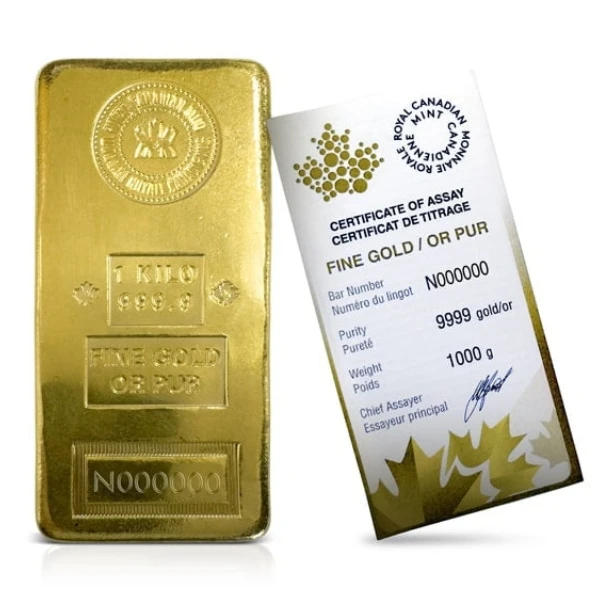
Gold bars are rectangular pieces of gold that come in various sizes, typically ranging from 1 gram to 1 kilogram. They are produced by private mints and refineries and are known for their uniformity and compact storage. Here are some key points about gold bars:
Purity and Weight: Gold bars usually have a high level of purity (99.5% or higher). The weight and purity are often stamped directly onto the bar.
Cost-Effective: When purchasing gold in bulk, gold bars tend to be more cost-effective than gold coins because they have lower premiums.
Storage: Gold bars are easier to store in large quantities due to their uniform shape and size.
In Canada, gold bars are a popular investment option, with many investors looking to buy gold bars in cities like Toronto, where they are readily available through reputable dealers.
Gold Coins: The Basics
Gold coins are minted by government authorities and come in a variety of designs and denominations. Unlike bars, they often have a face value and can be used as legal tender. Key points about gold coins include:
Design and Collectibility: Gold coins often feature intricate designs and may commemorate significant events or figures, which can add a collectible value.
Higher Premiums: Due to their design and minting process, gold coins usually carry higher premiums over the spot price of gold compared to bars.
Liquidity: Gold coins are generally easier to sell or trade, especially in smaller denominations.
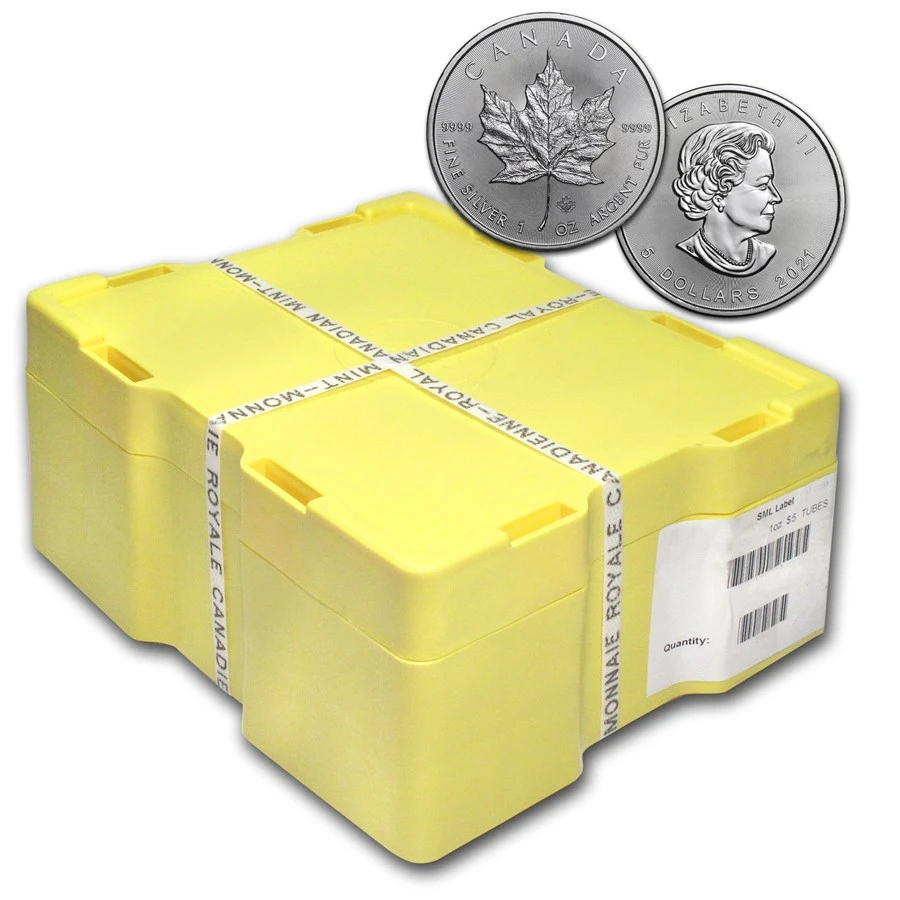
Popular gold coins in Canada include the Canadian Gold Maple Leaf, which is highly sought after both for its purity and its iconic design.
Comparing Gold Bars and Gold Coins
When deciding between gold bars and gold coins, consider the following factors:
Investment Size: For larger investments, gold bars might be more suitable due to their lower premiums and easier storage. For smaller investments or for those new to gold investing, gold coins might be more appealing due to their liquidity and collectible nature.
Purpose of Investment: If you’re investing purely for the value of gold, gold bars might be the way to go. If you also value the aesthetic and historical aspects, gold coins could be a better choice.
Storage and Security: Consider how and where you will store your gold. Bars require secure storage solutions, often in a bank or secure vault, while coins might be easier to store in smaller quantities.
The Market for Gold Bullion in Canada
In Canada, both gold bars and gold coins are widely available. Toronto, in particular, is a hub for gold bullion trading. The price of gold bars in Toronto can vary, so it’s essential to stay updated on the current market rates. Reputable dealers offer both gold bars and gold coins, providing a range of options for investors.
Conclusion
Whether you choose gold bars or gold coins, investing in gold bullion can be a prudent way to diversify your portfolio and hedge against economic uncertainties. In Canada, both forms of gold bullion are accessible and offer unique benefits. By understanding the differences between them, you can make an informed decision that best suits your investment strategy.











Sign in to leave a comment.