

Understanding the Differences: Wig, Hair Piece & Toupee
When a client enters your salon or browses your wholesale catalogue, they may use terms like wig, hair piece, and toupee interchangeably—yet each of these systems serves a distinct purpose, offers different levels of coverage, and caters to varying lifestyles. Clarifying the differences not only helps your business communicate effectively but also ensures clients make informed choices that lead to satisfaction and repeat business.
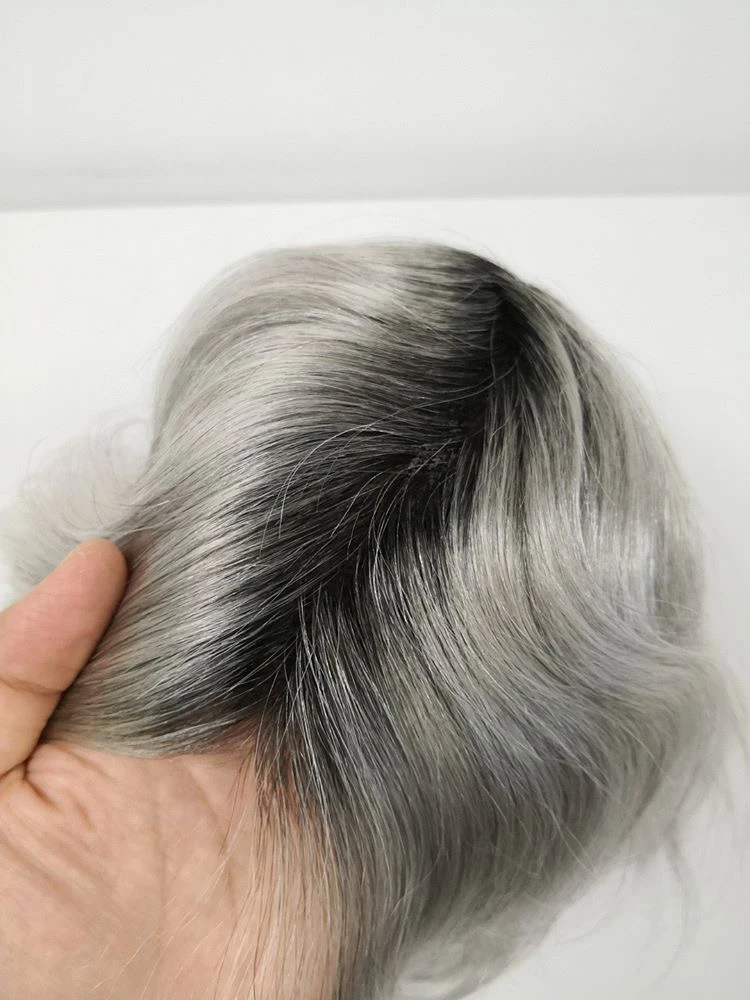
Wig
A wig is designed to cover the entire scalp and has historically been used across cultures for both aesthetic and functional reasons. According to Bono Hair:
“Wig … one of the oldest hair replacement systems … intended to cover the entire scalp.”
Modern wigs are available in human-hair or synthetic variants and offer full coverage for clients who need a complete transformation or have widespread hair loss. They are often removable at night or during certain activities, depending on user preference and attachment method.
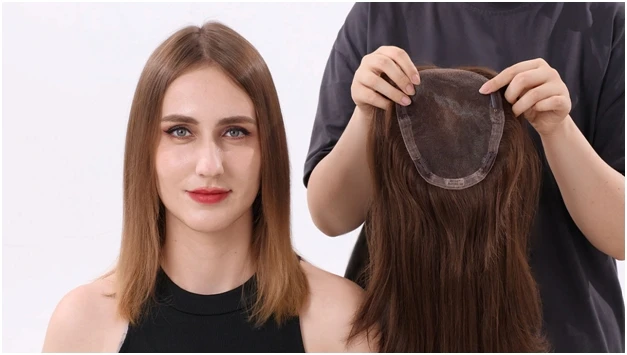
Hair Piece
The term “hair piece” is broader and more versatile. As Bono Hair explains:
“Hair piece … In contrast to a wig/wiglet, hair pieces are designed for various kinds of coverage. Hair extensions, toupees, head-wraps, and bangs are all types of hair pieces.”
Hair pieces may cover specific thinning areas or the full crown but are often designed to integrate with the wearer’s remaining natural hair. Many hair pieces are crafted for durability and extended wear—some even left on while sleeping, showering or exercising—depending on the attachment and base materials.
Toupee
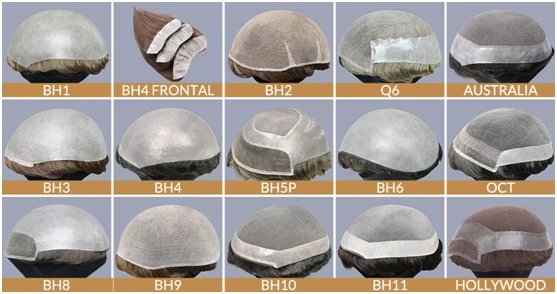
A toupee is a specialized type of hair piece typically worn by men to cover baldness at the top or front of the head. According to Bono Hair:
“Toupee … a type of hair piece intended to cover baldness on the top of the head. … Typically men use toupees more than women, due to the coverage needed for male pattern baldness.”
Toupees are generally smaller, lighter, and designed to blend with existing hair on the sides and back of the head. They often attach via tape or glue and focus specifically on partial scalp coverage rather than full coverage.
Why These Distinctions Matter for Your Business
Understanding these definitions is more than mere semantics—it has real implications for how you stock inventory, position services, and guide clients.
- Service specialization: A salon may choose to market itself as a “men’s hair replacement specialist” (focusing on toupees and custom hair pieces) versus a general wig boutique (servicing full systems).
- Inventory and supply strategy: Wholesalers and retailers will need different base materials, assistant training, and after-care products depending on whether the focus is full wigs, partial hair pieces, or men’s toupees.
- Client expectations: Explaining the difference ensures clients select the product that best fits their need—avoiding mismatched expectations, returns, or dissatisfaction.
- After-care and maintenance: Different systems invite different maintenance routines. Full wigs may require nightly removal, while permanent hair pieces or toupees may need adhesive maintenance and base cleaning at regular intervals.
My Insights & Recommendations
From a business perspective, the distinctions between wig, hair piece and toupee should influence your strategy in three key areas:
Education of Clients
Many end-users struggle with terminology and may expect a “wig” when a “toupee” would suit them better, or vice versa. By educating clients proactively—through consultations, brochures, or digital content—you position your brand as an expert partner, not just a vendor.
Tiered Product Offerings
Consider implementing a tiered service model:
- Entry-level full wigs for broad coverage needs (perhaps women’s systems or clients seeking complete transformation).
- Mid-level hair pieces for clients with partial thinning who still have substantial natural hair.
- Premium custom toupees for men facing male-pattern baldness and seeking seamless integration.
- This model enables you to capture a wider market while optimizing inventory and margins.
After-care Differentiation
Maintenance plans should reflect the system type. Toupees may require precise adhesive upkeep and base cleaning, while full wigs might benefit from weekly cleansing and nighttime removal routines. Offering regular maintenance check-ins, bundled care kits, or subscription services creates ongoing revenue beyond the initial sale.
Final Thoughts
Clarifying the difference between wigs, hair pieces, and toupees isn’t just a linguistic exercise—it’s a strategic move that enhances client satisfaction, supports targeted inventory, and improves after-sales relationships. For salons and wholesalers, the approach to deployment, service, and maintenance should vary distinctly based on system type.
By aligning your messaging, product selection, and service frameworks around these distinctions, you elevate your brand from supplier to trusted advisor—and that’s where credibility, loyalty, and business growth follow.















Sign in to leave a comment.