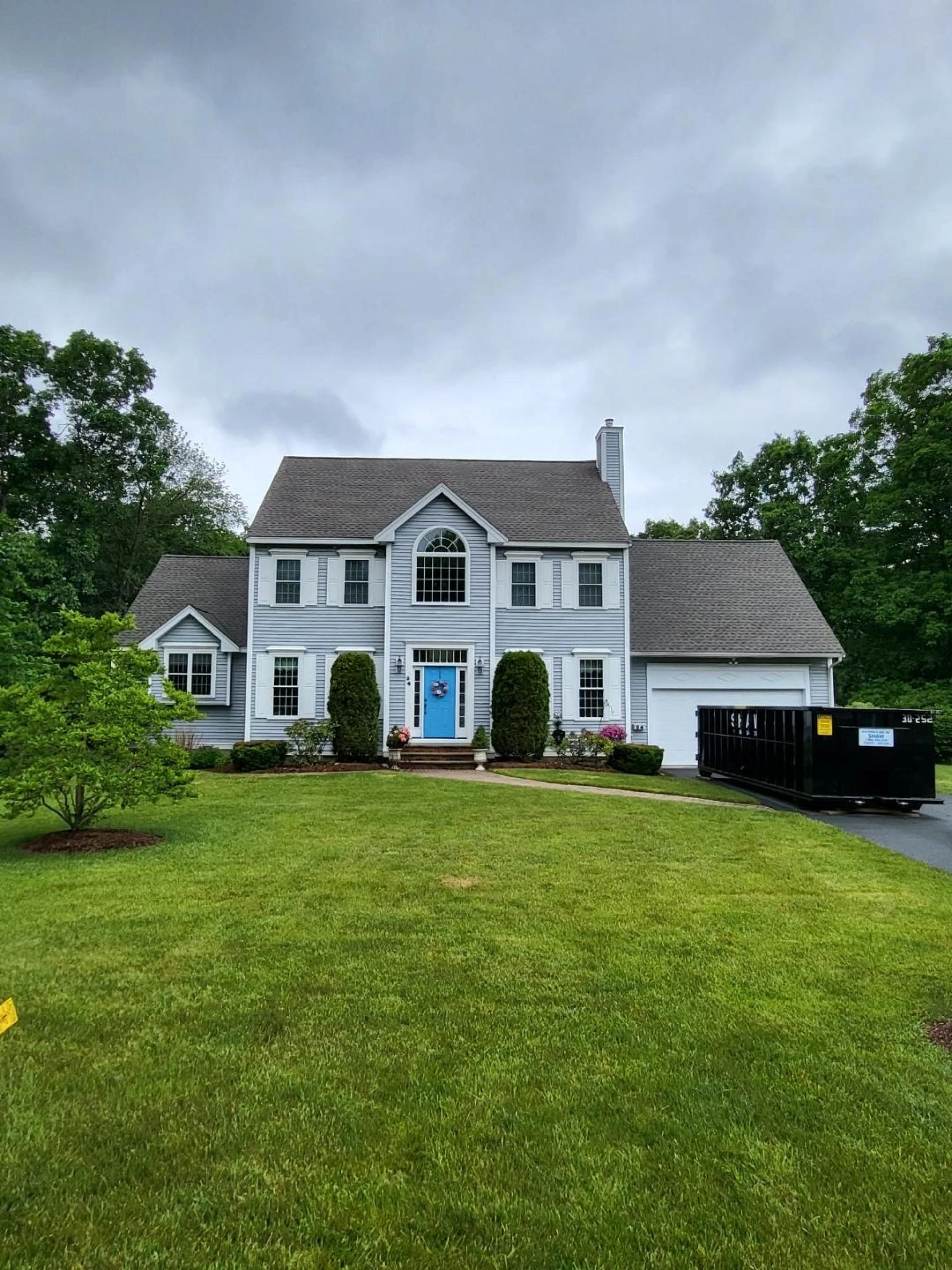
Roof replacement is a significant undertaking for any property owner. It's an investment in the safety, comfort, and aesthetic appeal of a building. Whether due to aging materials, weather damage, or simply a desire for an upgrade, understanding the process is crucial for anyone considering this substantial home improvement project.
Assessing the Need for Roof Replacement
The first step in determining whether you need a roof replacement is assessing the current state of your roof. Several signs indicate that it may be time to consider replacing your rooftop. These include frequent leaks, cracked or missing shingles, sagging areas, and significant wear and tear visible on roofing materials. However, only a thorough inspection by a professional can confirm whether repairs will suffice or if a full replacement is necessary.
Choosing Quality Materials
When it comes to roof replacement, selecting high-quality materials is essential for ensuring longevity and durability against the elements. Various options are available on the market, from traditional asphalt shingles to modern metal roofing or even eco-friendly green roofs. Each material has its benefits and limitations regarding cost, lifespan, maintenance requirements, and aesthetic impact on your home's exterior.
The Replacement Process Explained
A typical roof replacement involves several key steps that skilled roofing contractors execute with precision. Initially, old roofing materials are carefully removed down to the deck to inspect its condition. Damaged decking must be repaired or replaced before new underlayment and roofing materials are installed. This stage ensures that your home has a solid foundation for your new roof.
Next comes the installation of new roofing materials as chosen by the homeowner—each installed according to manufacturer specifications to ensure optimal performance and adherence to warranty requirements.
Lastly, finishing touches such as installing ridge vent systems or flashing around chimneys are completed to provide added protection from water penetration and improve overall ventilation within the attic space.
Navigating Permits and Regulations
Before embarking on a roof replacement project, it's essential to understand local building codes and regulations related to construction and renovation works. Securing necessary permits ensures that all work performed meets specific standards designed for safety and quality assurance within your locality.
Property owners should consult with their chosen roofing contractor about these legal requirements ahead of time so that they can factor into planning phases without causing delays once work commences on site.
Aftercare Tips Post-Replacement
Once your new roof is securely in place, knowing how best to maintain it will help extend its life expectancy significantly over time. Regular inspections by professionals can catch potential issues early, while keeping gutters clear from debris prevents water buildup, which could lead to back into problems like leaks down line—maintenance checks should become part of the routine care post-replacement.
In conclusion, understanding what goes into replacing one's roof—from initial assessment through selection of appropriate materials followed by proper installation techniques—is critical when considering such investments in residential properties today’s world where durability against varying weather conditions plays major role how long our homes remain safe havens us all live comfortably within them year after year without worry about what lies above heads at night during stormy evenings elsewhere across country nearby states alike everywhere!
Company Name: All Weather Exteriors LLC
Address: 144 Newburyport Turnpike A3, Rowley, MA, 01969, US
Phone: 978-953-4869


























Sign in to leave a comment.