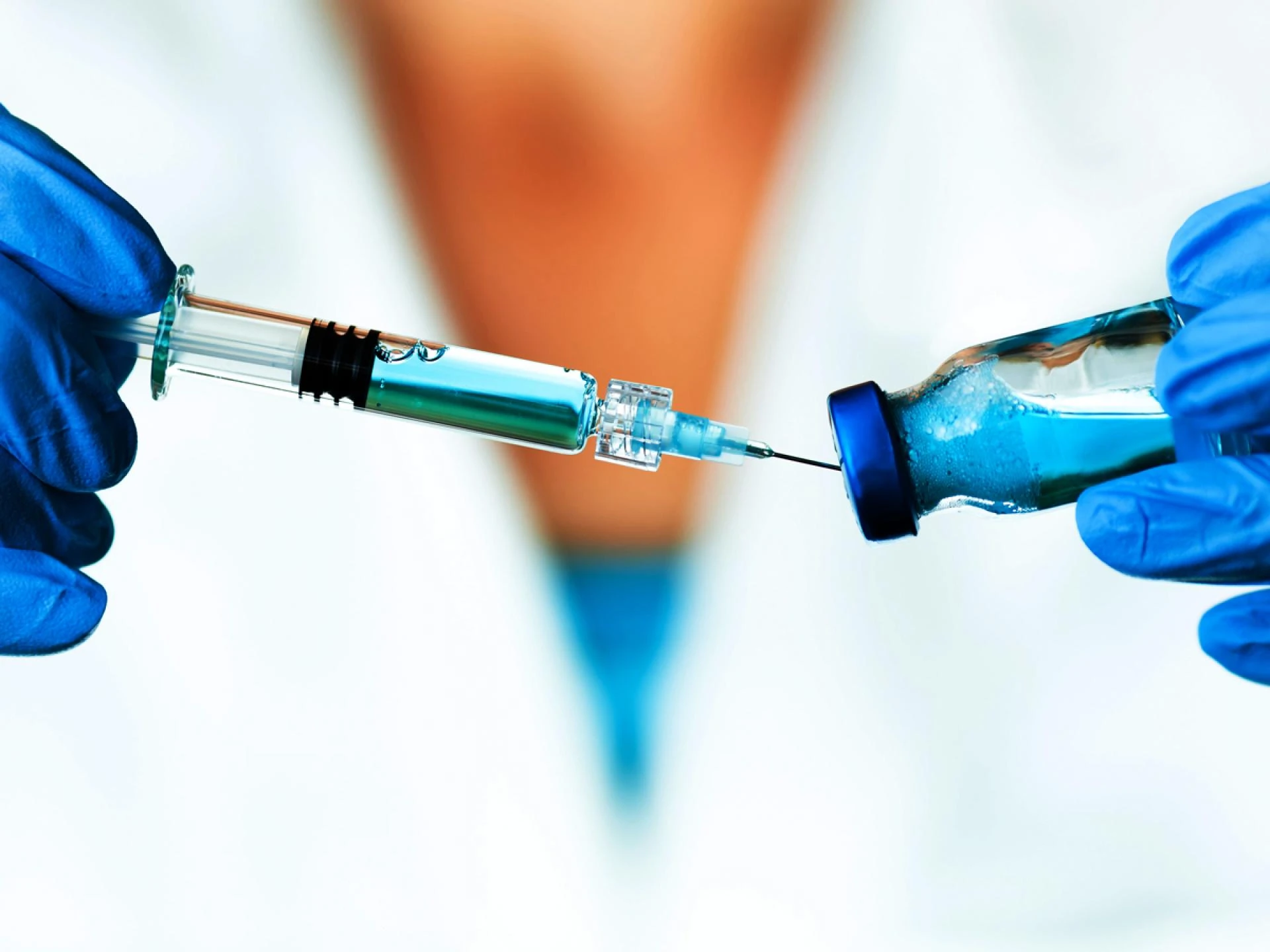

Animals with cloven hooves, such as cattle, pigs, sheep, and goats, are susceptible to the extremely contagious viral illness known as foot and mouth disease (FMD). Animals can now be protected against FMD by using vaccines. These vaccines, which are viruses that have been inactivated or have been weakened, cause the immune system of the animal to develop antibodies against the virus.
Foot and Mouth Disease vaccines come in a variety of forms, including liquid, gel-based, and oil-based versions. In order to boost the immune response, oil-based vaccines combine inactivated viral particles with adjuvants made of mineral oil. The inactivated virus particles are given to the animal's immune system using gel-based vaccines made of aluminium hydroxide. While liquid vaccines can be administered quickly and effectively, they are typically used for emergency vaccination campaigns.
The animal species, virus strain, and vaccination type are only a few of the variables that affect how well Foot and Mouth Disease Vaccines work. In general, FMD vaccines offer great defence against the virus, easing the symptoms and stopping the progression of the illness. The immunity given by FMD vaccines is not, however, permanent, and animals may need booster shots to keep their immunity.









Sign in to leave a comment.